

Coalition blocks protection for Haredi soldiers as anti-draft rhetoric intensifies
Rejection of anti-incitement bill, silence from ultra-Orthodox leaders, and bereaved father saying he’d rather his son die than serve in IDF reflect increasingly radical atmosphere
 Add ToI as a Preferred Source on Google
Ariela Karmel is a political correspondent at The Times of Israel. She previously reported for Calcalist and Haaretz. She holds an MA in Middle Eastern and African History from Tel Aviv University and a BA in Political Science from the University of British Columbia.
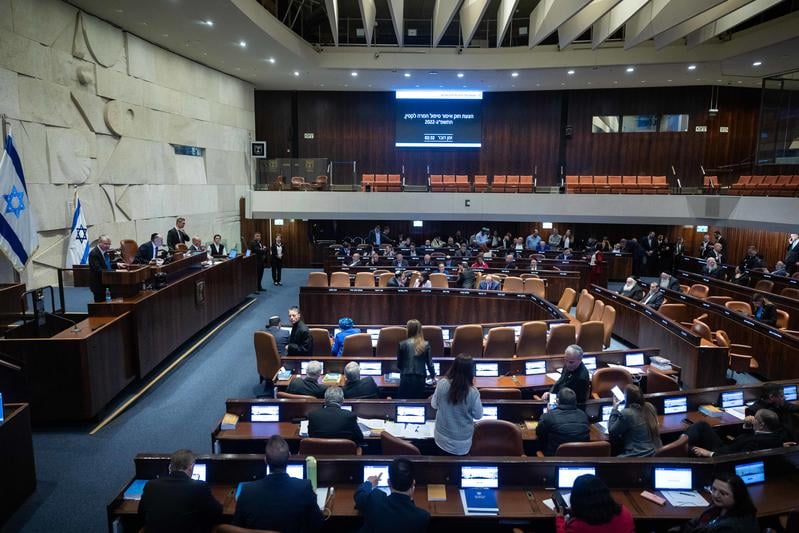
The coalition voted down a bill to protect Haredi soldiers from violence and incitement on Wednesday, amid a surge of extremist rhetoric and attacks linked to the ongoing battle over the proposed draft law.
The legislation, submitted by Blue and White MK Alon Schuster, sought to criminalize harassment and threats against ultra-Orthodox men who enlist in the army. It was defeated by a vote of 49 to 24.
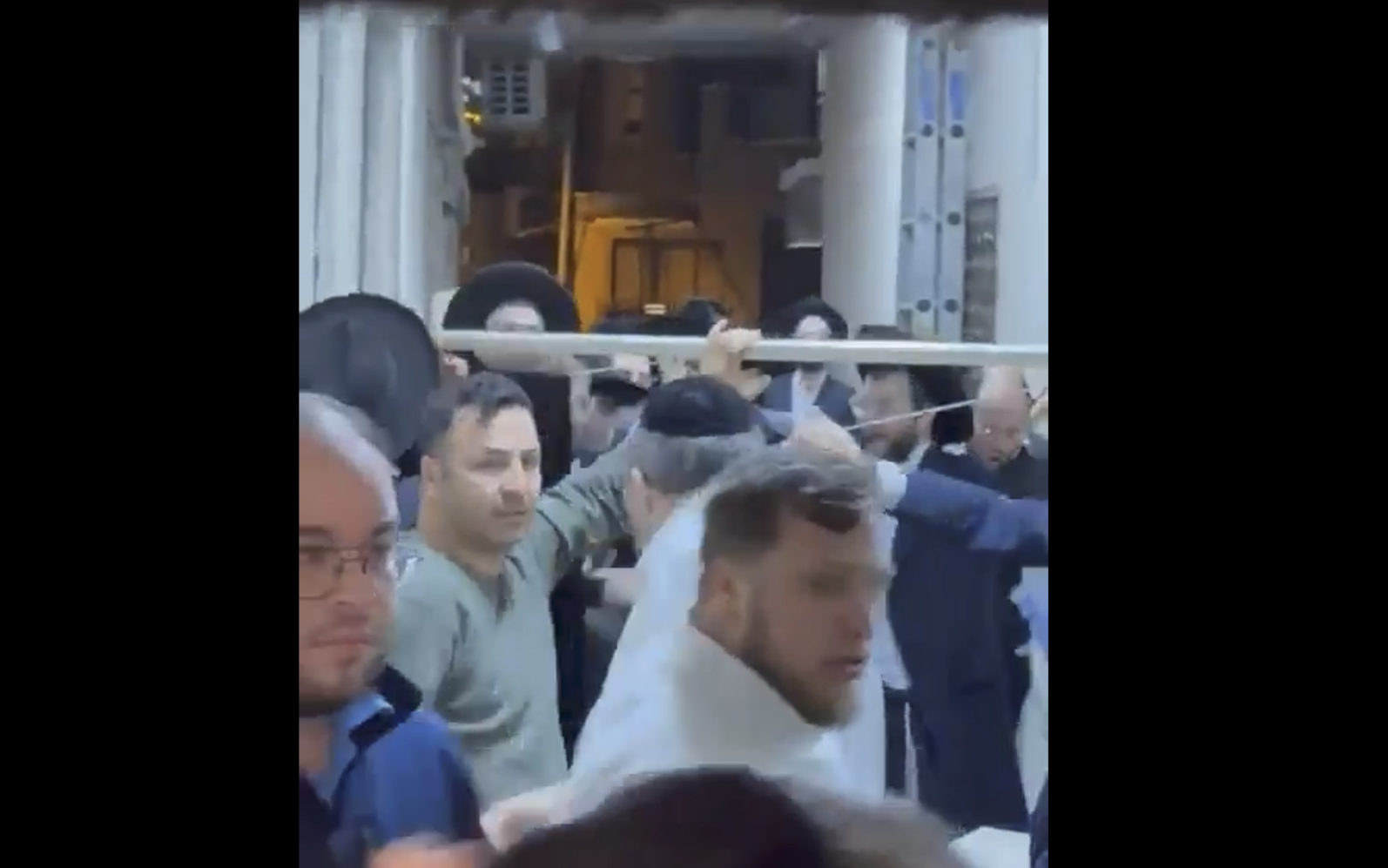
The vote followed an incident on Sunday evening in Bnei Brak in which extremist Haredi protesters broke into a conference for parents of recruits to the newly formed Haredi Hasmonean Brigade, violently disrupting the gathering and attacking attendees.
While the defense establishment and opposition figures condemned the attack, very little was heard from members of government and no senior Haredi rabbinic or political leaders publicly denounced the violence, nor have any arrests been made.
The silence from Haredi leadership has drawn growing scrutiny as protests against the draft intensify, with demonstrations increasingly marked by incendiary slogans and confrontations.
Schuster accused the coalition of abandoning the soldiers, saying, “The coalition chose to close its eyes and turn its back on IDF soldiers, especially those who pay a heavy personal price for their decision to serve.”
“A soldier walking around in uniform should not have to fear humiliation, curses, or attacks in the heart of the State of Israel,” he said.
The incendiary atmosphere was reflected in remarks made this week by Rabbi Samuel Eisenthal, whose 14-year-old son Yosef was killed last week during an anti-conscription protest in Jerusalem.
“If they asked me if I had two options — that Yossi go to the army, or that he die the way he did — my answer would be that I prefer he die,” Eisenthal told Army Radio in an interview.
Yosef died after being dragged under a bus that drove into a group of demonstrators at an intersection in the ultra-Orthodox neighborhood of Romema.
His comments shocked many Israelis, but critics say it reflects a growing strain of radicalization within parts of the Haredi street, where opposition to military service is framed not merely as a communal norm or political demand, but as a matter of religious martyrdom.
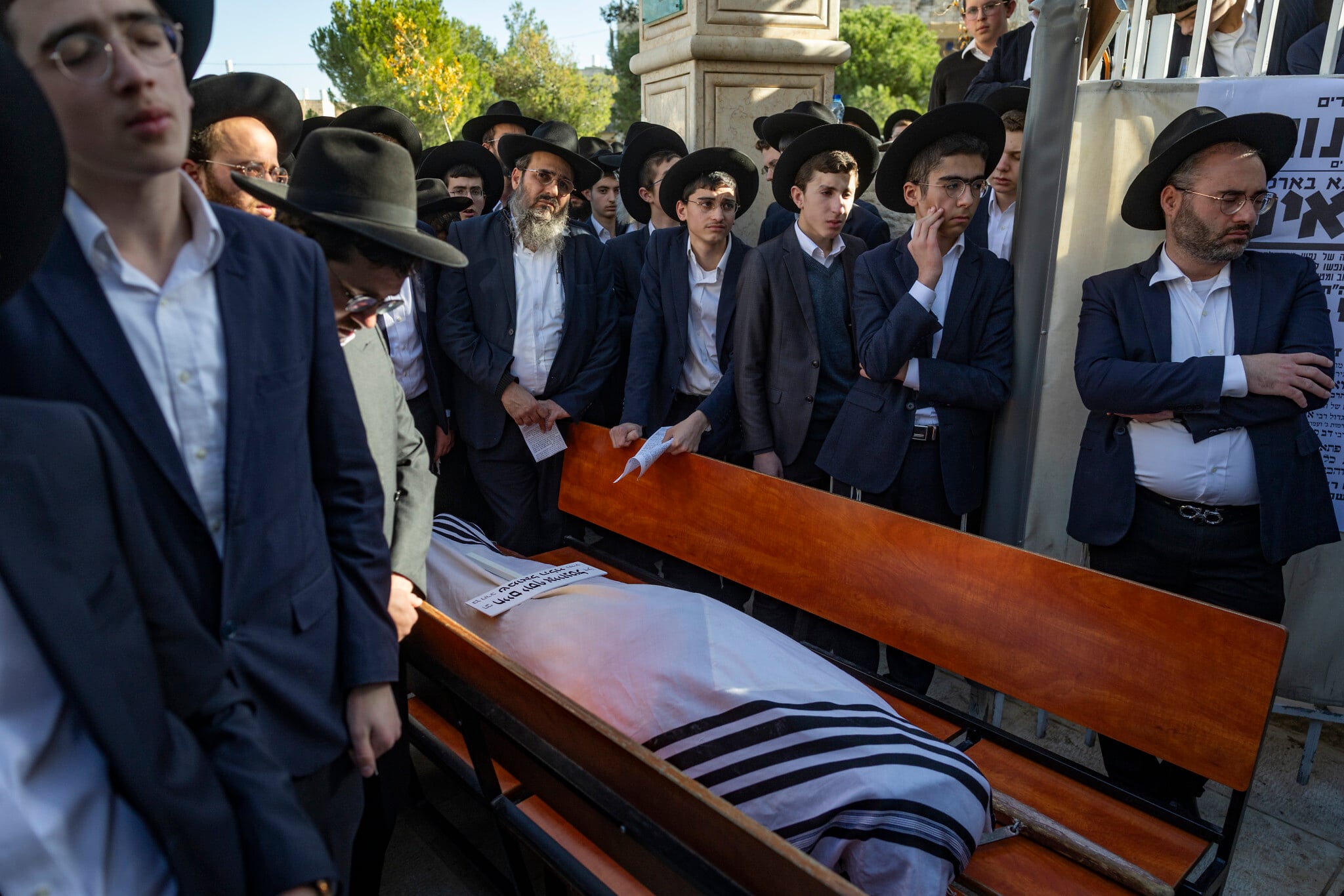
The protest where Yosef Eisenthal was killed was organized in part by the Jerusalem Faction, an extremist ultra-Orthodox group numbering some 60,000 members, which is considered among the most ultraconservative of Haredi factions and regularly demonstrates against the enlistment of yeshiva students.
Participants unfurled large banners reading “Better to die than transgress” and held signs declaring that one cannot be both Haredi and a soldier, while others accused Israel of practicing “apartheid” against the ultra-Orthodox community.
Sam Sokol contributed to this report.





The Times of Israel Community.