

Egypt said to withdraw from US-backed anti-Iran ‘Arab NATO’
Cairo reportedly skeptical about seriousness of White House-led Middle East Security Alliance initiative
 Add ToI as a Preferred Source on Google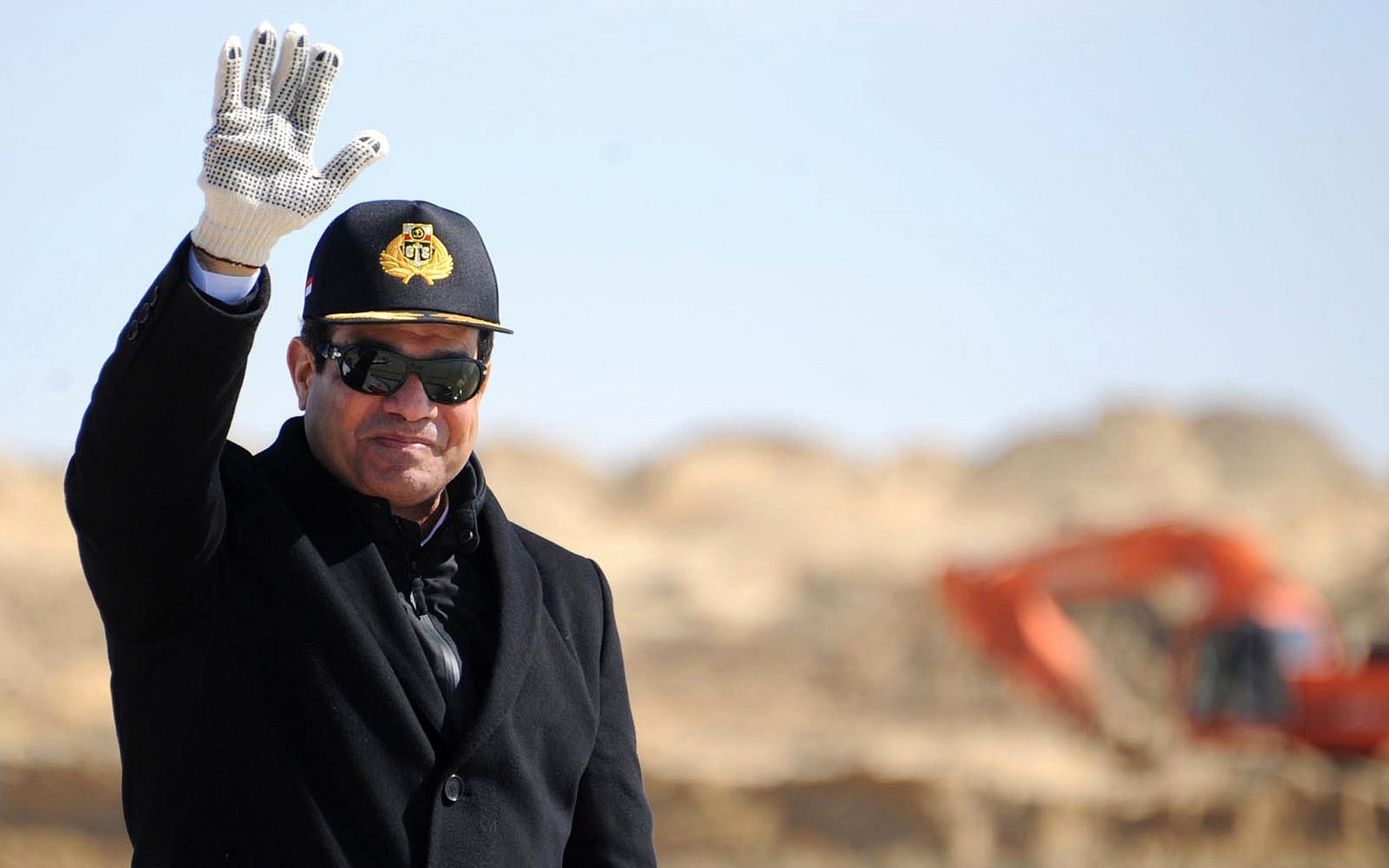
Egypt has pulled out of a planned Arab defensive alliance intended to unite Sunni Arab nations against Shiite Iran’s influence in the region, a source in Cairo said Thursday.
The last meeting of the US-backed Middle East Security Alliance (MESA) was held Sunday in the Saudi capital Riyadh.
Egypt did not send a delegation, the Reuters news service reported.
The alliance, a Saudi initiative first conceived in 2017 that has been labeled an “Arab NATO,” also includes Jordan, Oman, Kuwait, the United Arab Emirates, Qatar and Bahrain.
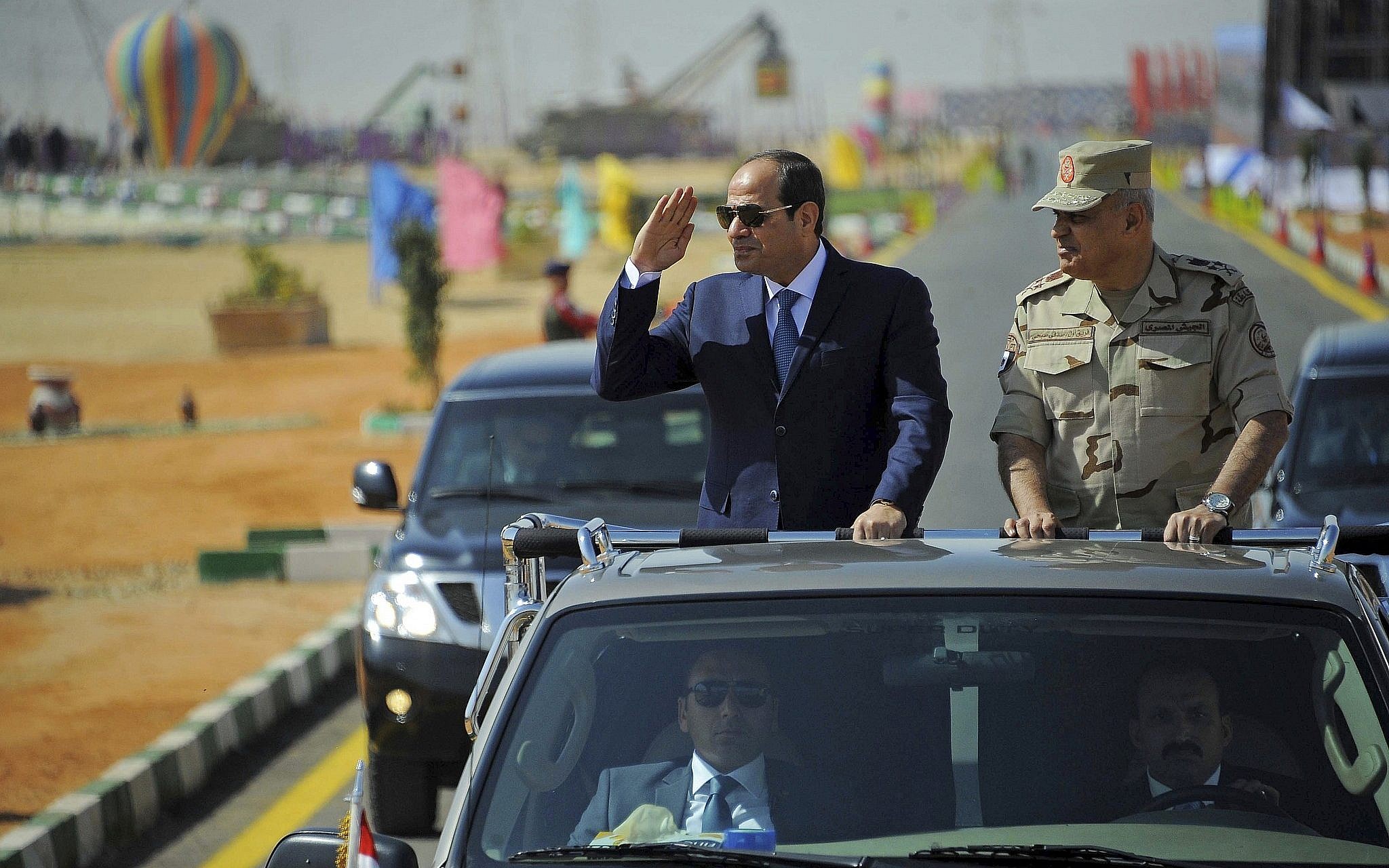
Citing an “Arab source,” the report said Cairo told US officials earlier this week that, in Reuters’ paraphrase, “it doubted the seriousness of the initiative, had yet to see a formal blueprint laying it out, and because of the danger that the plan would increase tensions with Iran.”
“It’s not moving well,” a Saudi source was quoted as saying, with many Arab governments concerned that the initiative may not survive a potential change in administration in Washington after the 2020 presidential race.
Despite enthusiastic backing by the Trump administration, the initiative has been beset by inter-Arab feuding and distrust.
Since June 2017, Saudi-led countries have cut ties with Qatar, claiming it supports terrorism and wants a better relationship with Tehran. Qatar denies the charges, says it is being punished for pursuing an independent foreign policy and its enemies want regime change in Doha.
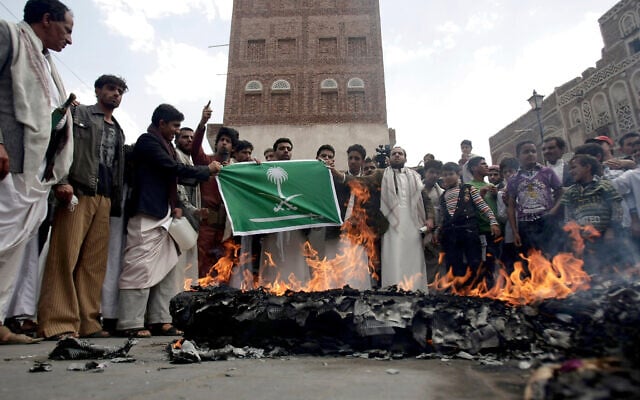
Saudi Arabia and the UAE have adopted a more confrontational approach to Shiite rival Iran in recent years, accusing it of supporting terror groups and fueling turmoil in regional countries. The two Sunni states head a military coalition in Yemen aimed at toppling the Iran-backed Houthi rebel group and returning the internationally recognized government to power.
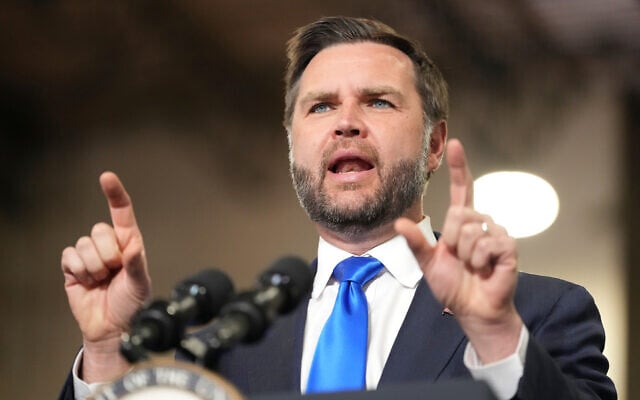
Under US President Donald Trump, the US has adopted a much more hawkish stance toward Tehran than under his predecessor Barack Obama, culminating in his decision to quit the 2015 deal aimed at curbing Iran’s nuclear program and reimpose punishing sanctions.
Agencies contributed to this report.





The Times of Israel Community.