

EU hardens tone on Israel, but will it lead to concrete steps?
A bloc of countries including Germany and Italy, though critical of ongoing war in Gaza Strip, would likely prevent European Union from taking major punitive measures
 Add ToI as a Preferred Source on Google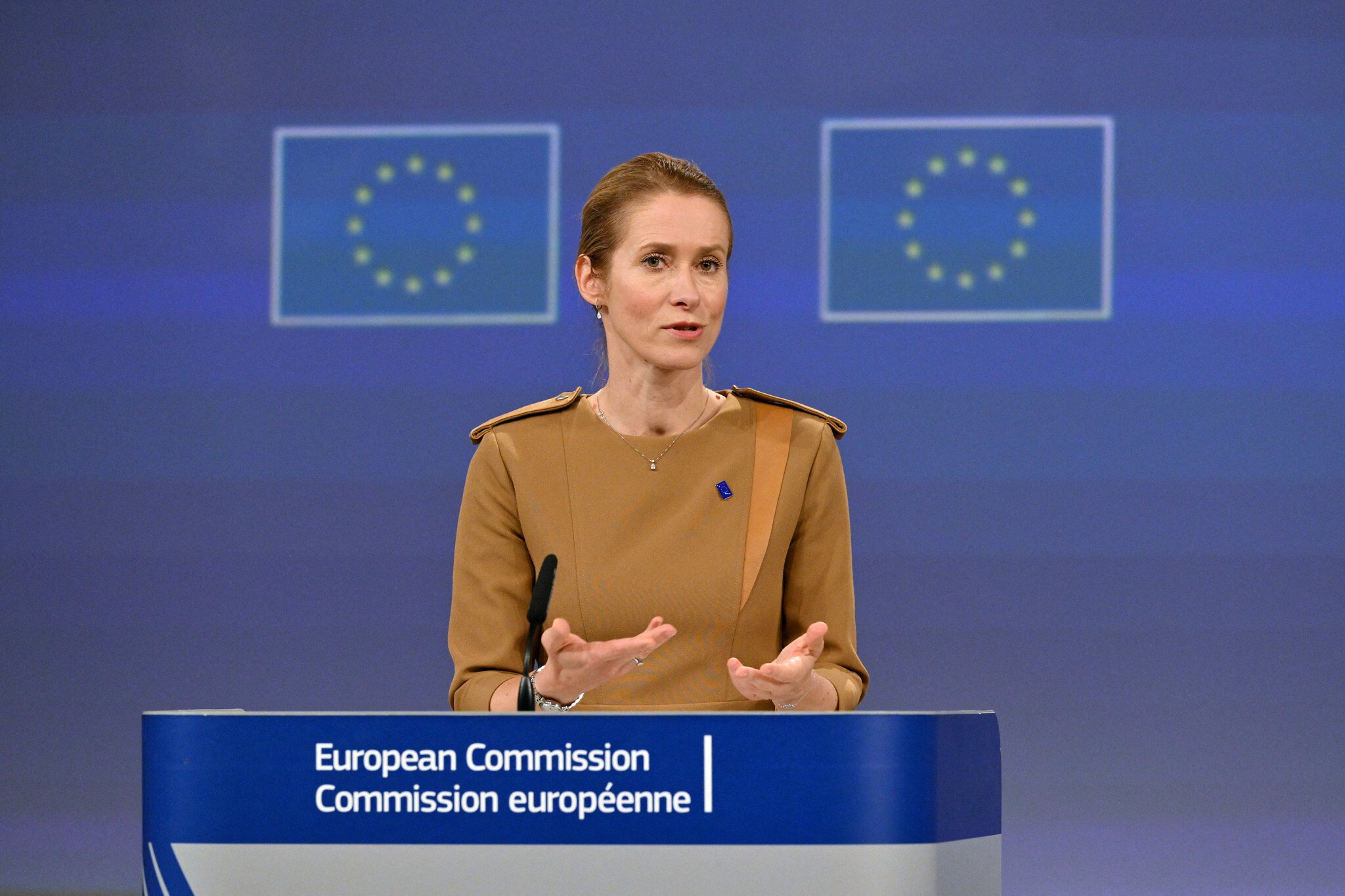
BRUSSELS, Belgium — With reports of acute suffering in Gaza flooding the airwaves, European Union leaders have toughened their tone on Israel — but the bloc will need to bridge deep divisions to move from rhetoric to a real-world impact on the conflict.
The shift has been most noticeable from key power Germany, one of Israel’s staunchest allies in the world, its loyalty rooted in the trauma of the Holocaust.
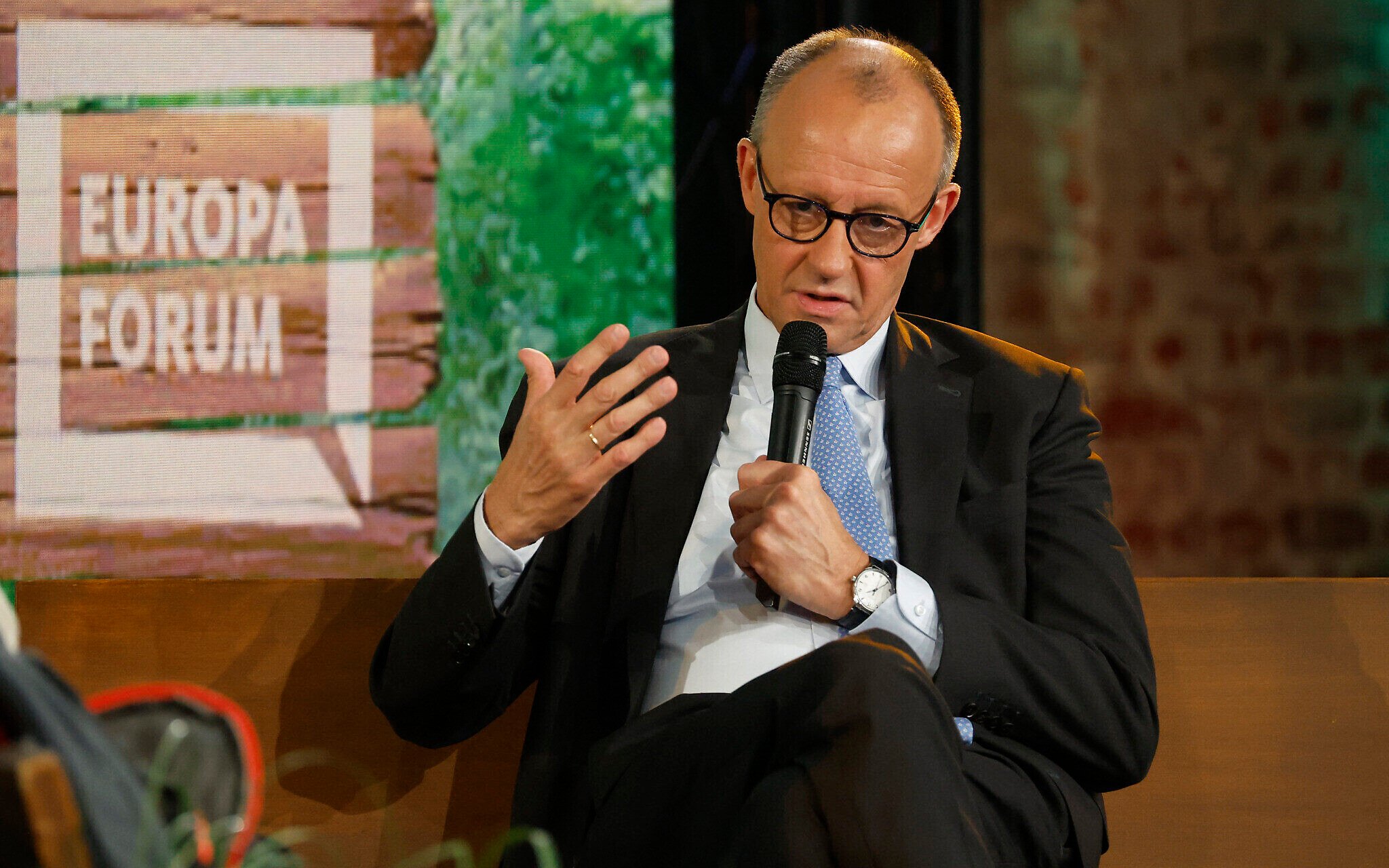
After Gaza’s Hamas-run health authorities said an Israeli strike killed 20 people, including many children, in a Gaza school-turned-shelter Monday, German Chancellor Friedrich Merz declared he “no longer understands” Israel’s objectives in the war-ravaged Palestinian enclave.
“The way in which the civilian population has been affected… can no longer be justified by a fight against Hamas terrorism,” he said.
The IDF said its strike on the school targeted Hamas and Islamic Jihad terrorists who had turned the facility into a command center. Israel accuses Hamas of embedding itself among civilians, increasing casualties among noncombatants.
Berlin’s stern new tone found an echo Tuesday in Brussels, where the German head of the European Commission, Ursula von der Leyen, denounced as “abhorrent” and “disproportionate” the past days’ attacks on civilian infrastructure in Gaza.
An EU diplomat called such language both “strong and unheard of” coming from the commission chief, among the first to rally to Israel’s side in the wake of the October 7, 2023, Hamas attacks that triggered the Gaza war. On that day, the Palestinian terror group led over 5,000 attackers to invade southern Israel, killing 1,200 people and abducting 251 as hostages to Gaza.
The explanation? “Merz has moved the dial” in Brussels, said one EU official.
“There’s been a very notable shift over recent weeks,” agreed Julien Barnes-Dacey, head of the Middle East program at the European Council on Foreign Relations (ECFR), in a podcast by the think tank — arguing it reflects a “sea change of European public opinion.”
Translating talk into action is another matter, however.
Longstanding divisions
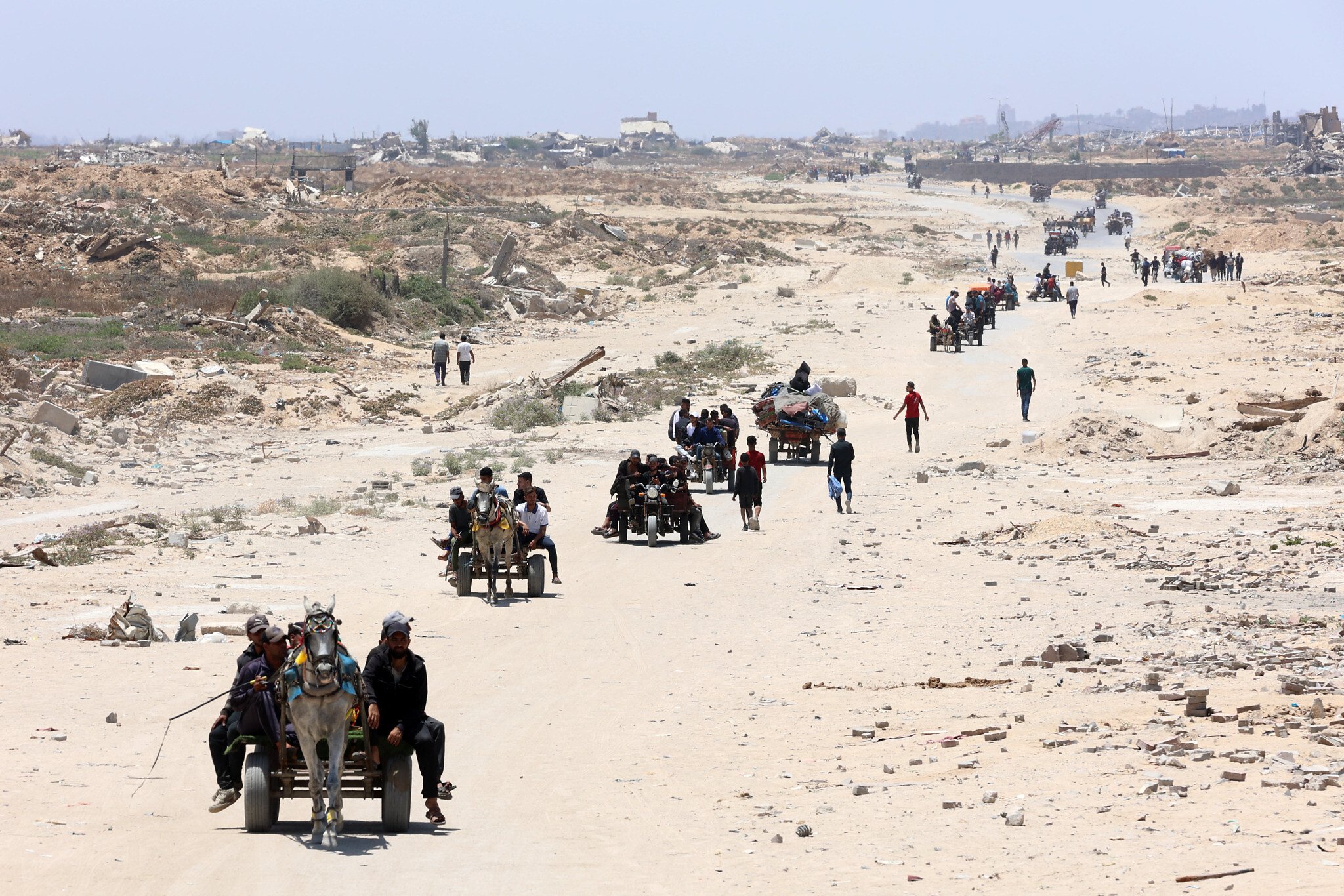
Germany, the main supplier of weapons to Israel after the United States, this week rebuffed calls to cut off arms sales to Prime Minister Benjamin Netanyahu’s government.
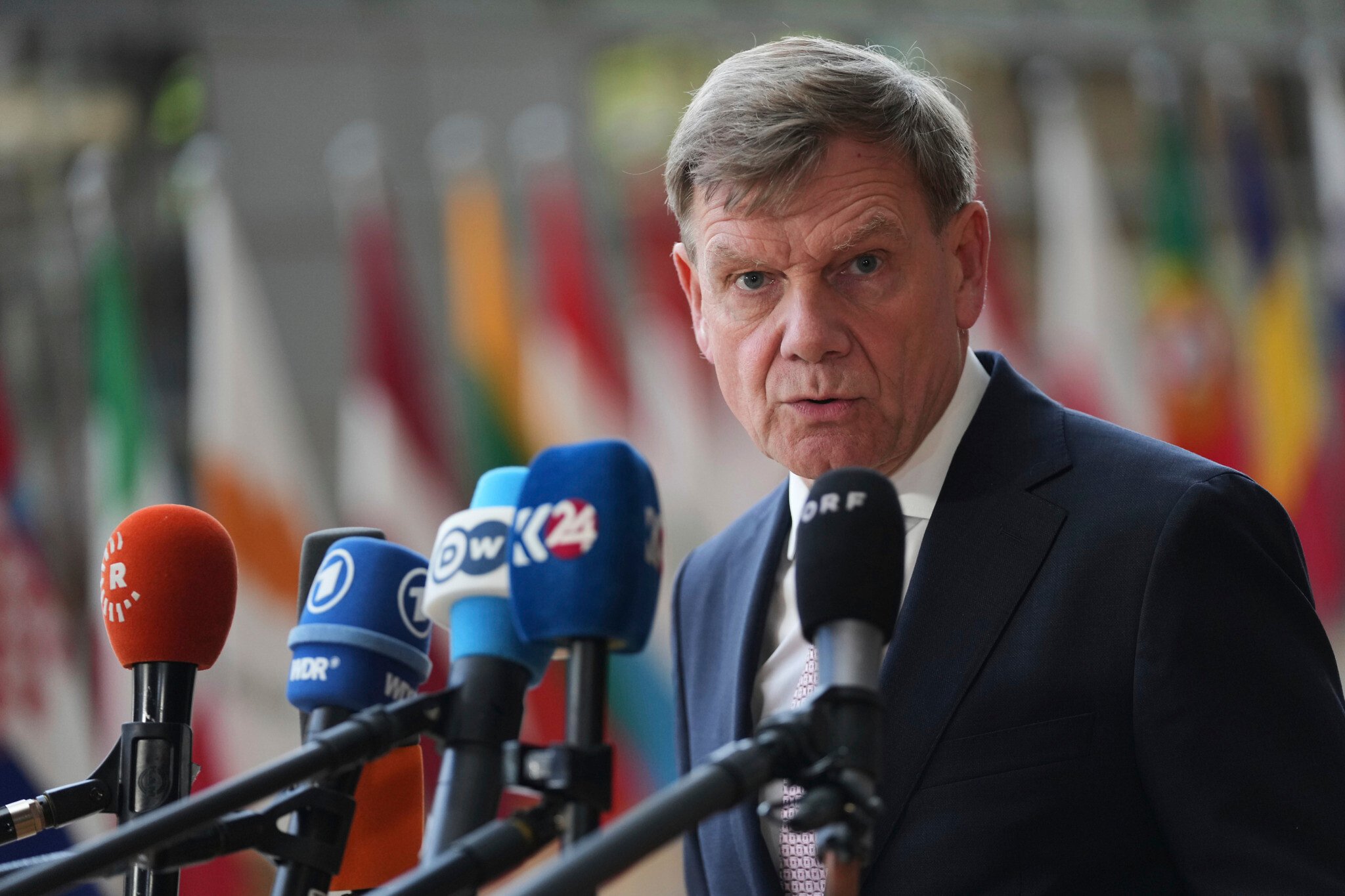
On Tuesday, however, in a barely veiled threat, its foreign minister warned Israel against crossing a line.
“We defend the rule of law everywhere and also international humanitarian law,” said Johann Wadephul. “Where we see that it is being violated, we will of course intervene and certainly not supply weapons that would enable further violations.”
The European Union has long struggled to have an impact on the Mideast conflict due to longstanding divisions between countries that back Israel and those seen as pro-Palestinian.
Last week, the bloc launched a review to determine whether Israel is complying with human-rights principles laid out in its association agreement with the EU — a move backed by 17 of 27 member states.
EU top diplomat Kaja Kallas said Wednesday she hopes to present options on the next steps to foreign ministers at a June 23 meeting in Brussels.
Suspending the EU-Israel accord outright would require unanimity among member states — seen by diplomats as virtually unthinkable.
Berlin was among the EU capitals that opposed even reviewing the deal, as was fellow economic heavyweight Rome. Nonetheless, on Tuesday, Italian Foreign Minister Antonio Tajani called on Israel to end its military campaign in Gaza.
But Barnes-Dacey sees “the possibility of a qualified majority of states imposing some restrictions” under the trade component of the agreement.
The EU is Israel’s biggest commercial partner, with 42.6 billion euros ($48.2 billion) traded in goods in 2024. Trade in services reached 25.6 billion euros in 2023.
An EU diplomat said it is not yet clear whether there is sufficient support for the move, which needs backing from 15 member states, representing 65 percent of the bloc’s population.
A report last week said that Israel’s Ambassador to the European Union Haim Regev told Israeli journalists in Brussels, during a closed-door meeting, of a “diplomatic erosion” between Jerusalem and the EU.
For Kristina Kausch, a Middle East expert at the German Marshall Fund think tank, it is too soon to speak of a European policy shift.
“Even the review of the association agreement is only a review,” she said. “What counts is the action.”
Momentum to ramp up pressure is growing by the day, though, spearheaded by the most vocal critics of Israel’s assault, such as Spain, Belgium, and Ireland.
“My personal view is that it very much looks like genocide,” said Belgium’s foreign minister, Maxime Prevot. “I don’t know what further horrors need to take place before we dare use the word.”
Accusations that Israel is committing “genocide” in Gaza have been leveled by rights groups, UN officials and a growing number of countries.
Israel rejects the charge, and in Europe, even the governments most sympathetic to the Palestinians are treading carefully.
One tangible next step could be the broader recognition of Palestinian statehood — with France seeking to move forward on the matter ahead of a UN conference in June.
“Will that have an immediate impact? Probably not,” said Barnes-Dacey.
“But I do think it will have an impact if Israel knows that it no longer has the free path that it’s had for so long.”
The Hamas-run Gaza health ministry says more than 53,000 people in the Strip have been killed or are presumed dead in the fighting so far, though the toll cannot be verified and does not differentiate between civilians and fighters.
Israel says it has killed some 20,000 combatants in battle as of January and another 1,600 terrorists inside Israel on October 7. Israel has said it seeks to minimize civilian fatalities and stresses that Hamas uses Gaza’s civilians as human shields, fighting from civilian areas including homes, hospitals, schools, and mosques.
Israel’s toll in the ground offensive against Hamas in Gaza and in military operations along the border with the Strip stands at 420.






The Times of Israel Community.