

Europe powers warn against jeopardizing Vienna talks as Iran, US make progress
Britain, France and Germany urge all sides ‘to seize the diplomatic opportunity’ to salvage the 2015 nuclear deal
 Add ToI as a Preferred Source on Google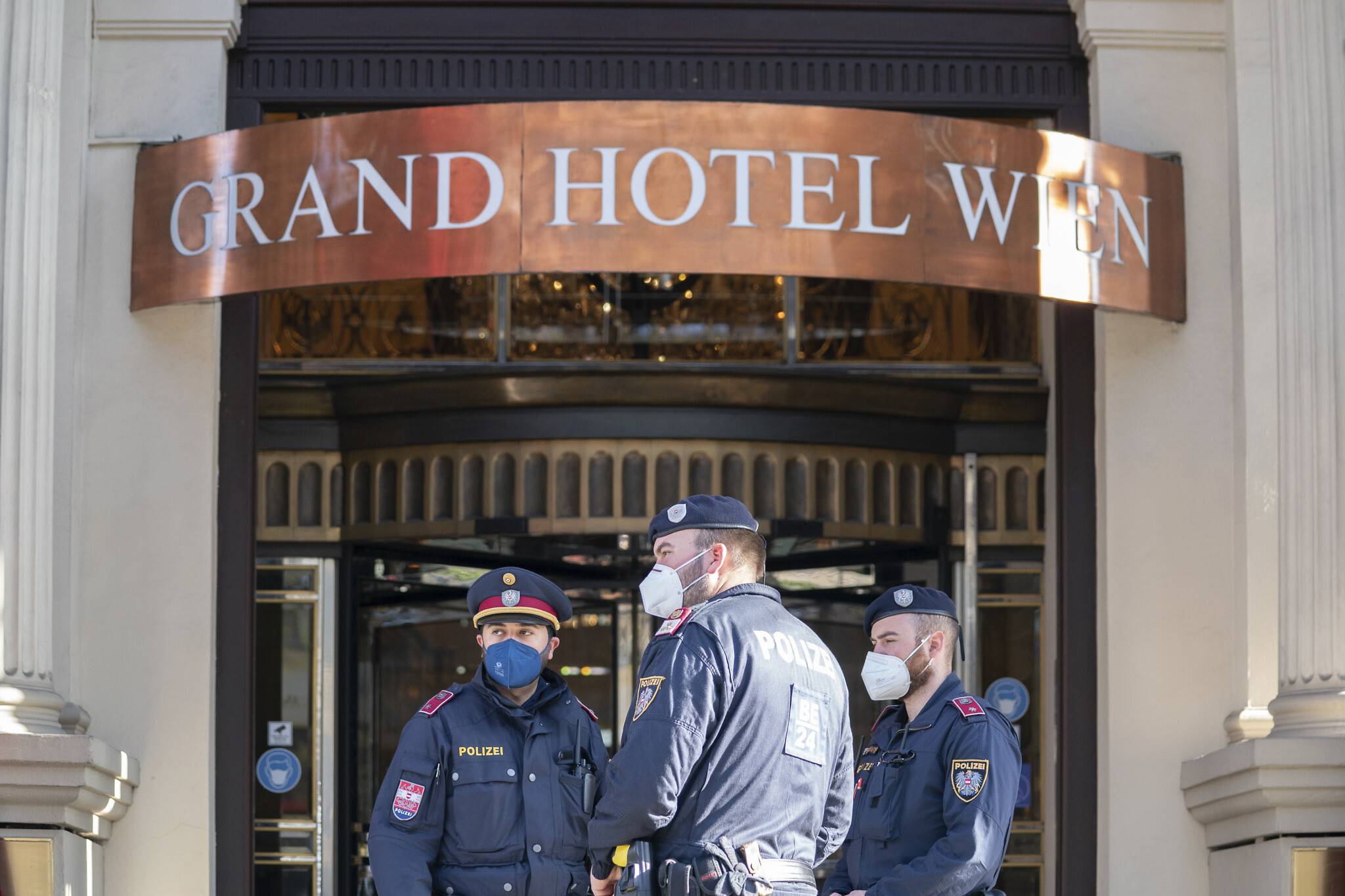
PARIS, France — There has been progress at Vienna-based talks between world powers aimed at salvaging the 2015 deal on Iran’s nuclear program but any escalatory moves would jeopardize the opportunity, the European negotiating countries said on Wednesday.
Former US president Donald Trump walked out of the deal in 2018 but the talks in the Austrian capital — which indirectly involve the US — are seen as the best chance yet of reviving the accord with President Joe Biden keen to reengage if Tehran returns to compliance.
“We have made some progress but there is still a way to go,” said a diplomat from the E3 powers of Britain, France and Germany, who asked not to be named.
“We encourage all sides to seize the diplomatic opportunity in front of us. We condemn escalatory measures by any actor which could jeopardize progress,” added the diplomat.
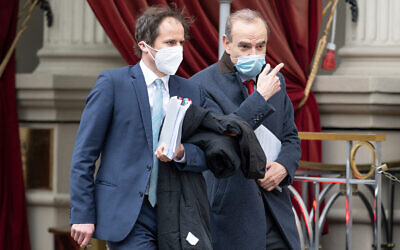
The talks in Vienna got underway at the start of the month and should resume next week after a pause that allows diplomats to confer with their capitals.
Diplomats from Britain, China, France, Germany, Iran and Russia have been meeting in a luxury Vienna hotel, while US diplomats are participating indirectly in the talks from a nearby hotel.
The United States has had no diplomatic relations with Iran since its embassy was seized by radicals in the wake of the 1979 Islamic Revolution that ousted the pro-West shah.
The powers had last week expressed “grave concern” over Iran’s move to boost uranium enrichment to 60 percent in response to what Tehran says was an attack by Israel against the key nuclear facility of Natanz.

The step will bring Iran closer to the 90 percent purity threshold for military use and shorten its potential “breakout time” to build an atomic bomb — a goal the Islamic republic denies.
The attack early on April 11 blew up the main and backup power supply to the underground enrichment facility at Natanz. It caused damage to various kinds of the 6,000 centrifuges there and set back enrichment for six to nine months, according to Israeli and American reports.
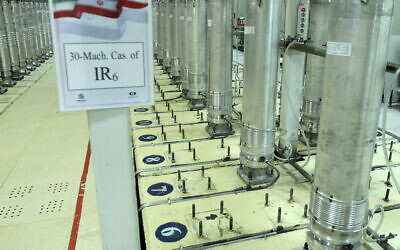
An Israeli TV report last week said that Iran will likely only be able to enrich very small quantities of uranium to 60% since Natanz is still largely out of commission.
Israel has neither confirmed nor denied involvement but multiple media reports in the country, citing unnamed intelligence sources, said it was a sabotage operation by the Mossad spy agency.
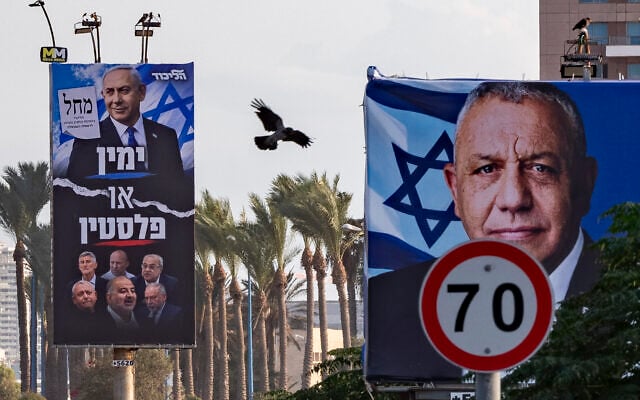
Israeli officials, led by Netanyahu, have adamantly opposed the US returning to the nuclear deal, putting Jerusalem at odds with the new White House administration.





The Times of Israel Community.