 Add ToI as a Preferred Source on Google
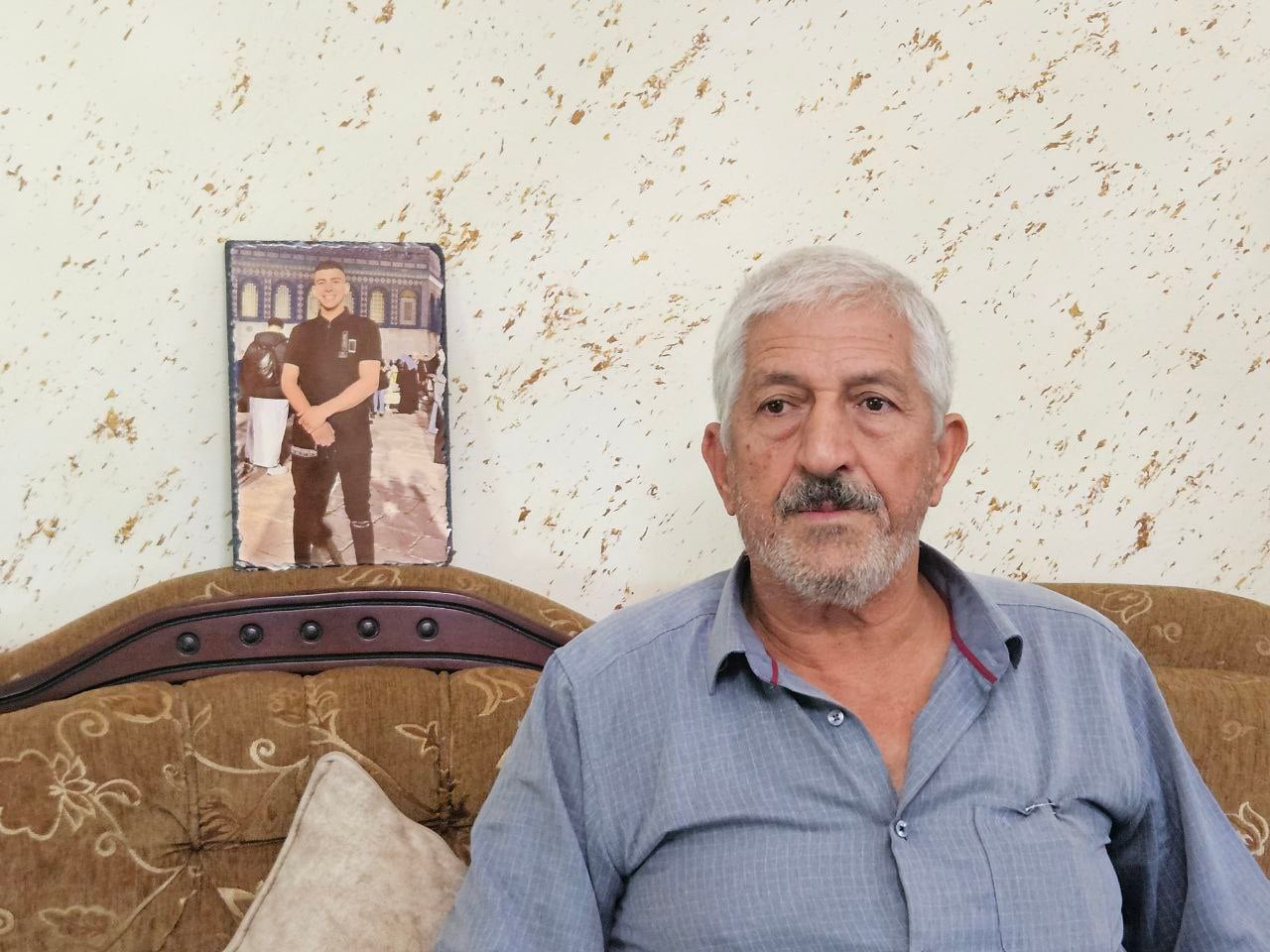
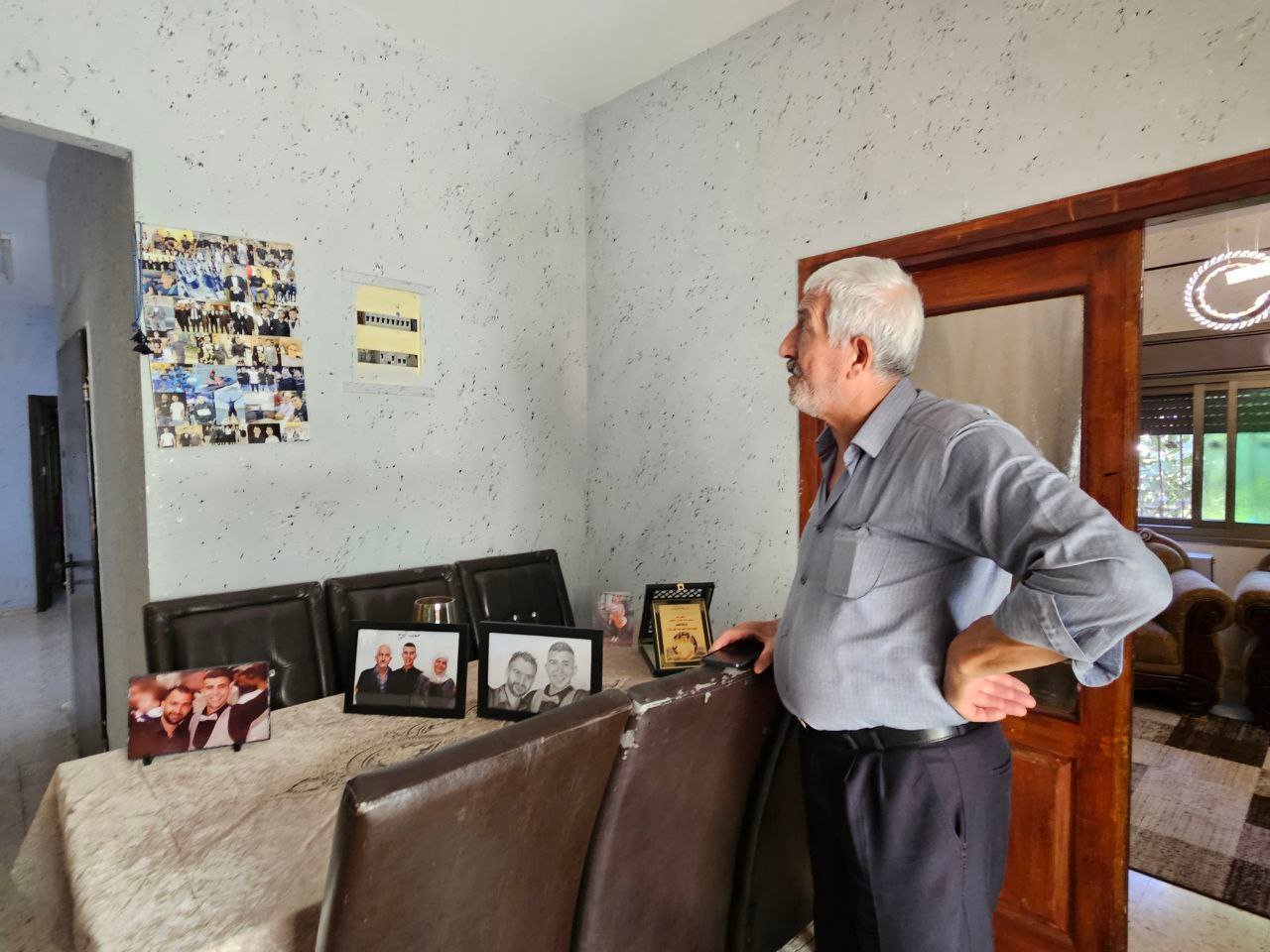
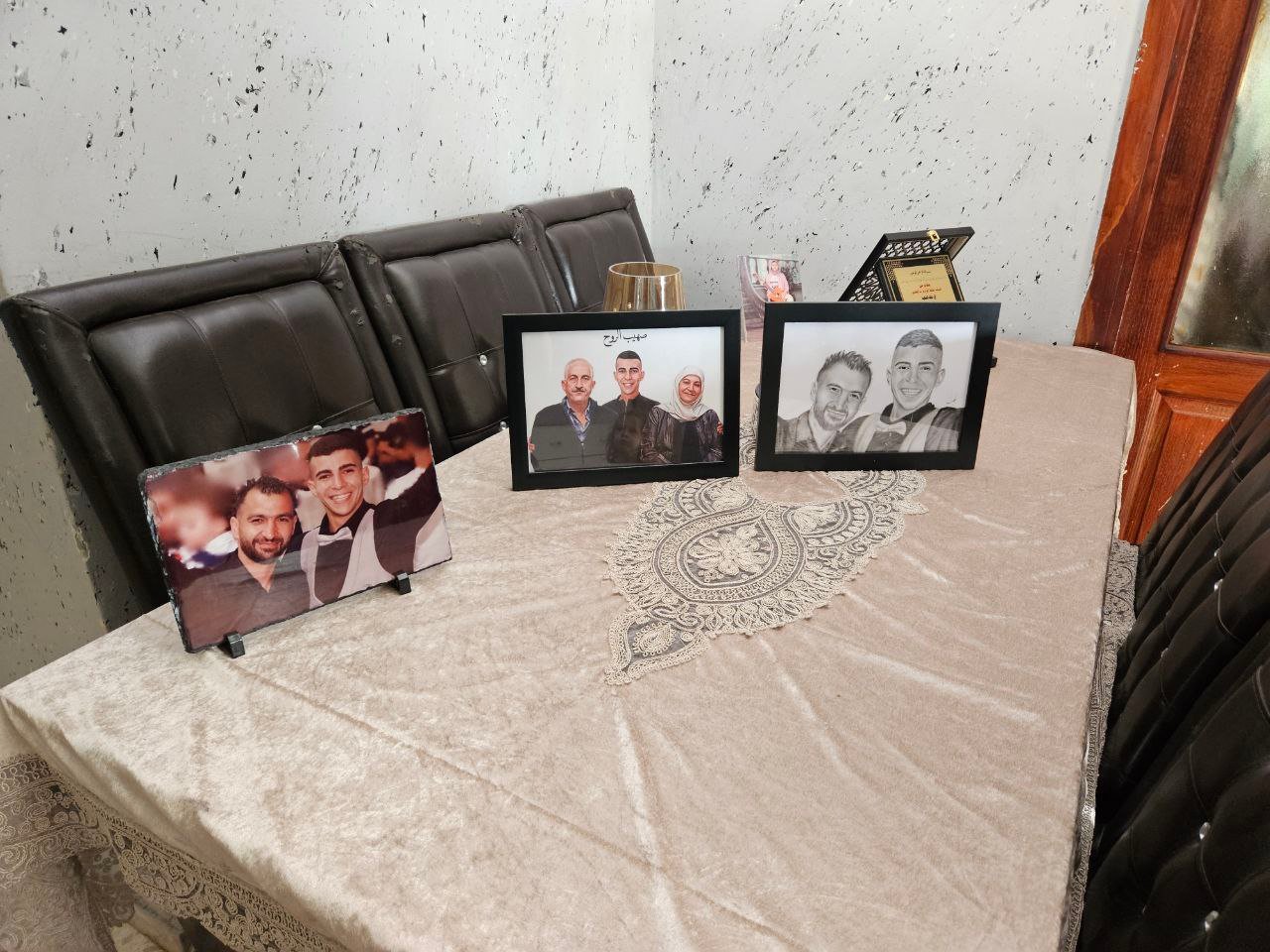
In Mohammed Razeem’s home in East Jerusalem’s Beit Hanina neighborhood, the presence of his son, Suhaib, fills the house. With photographs on tables, on the walls, Suhaib’s living memory is everywhere — even as the events of his killing on October 7, 2023, are not spoken of.
Suhaib, who worked as a shuttle driver, was supposed to take festivalgoers home from the Nova rave on that Saturday morning two years ago.
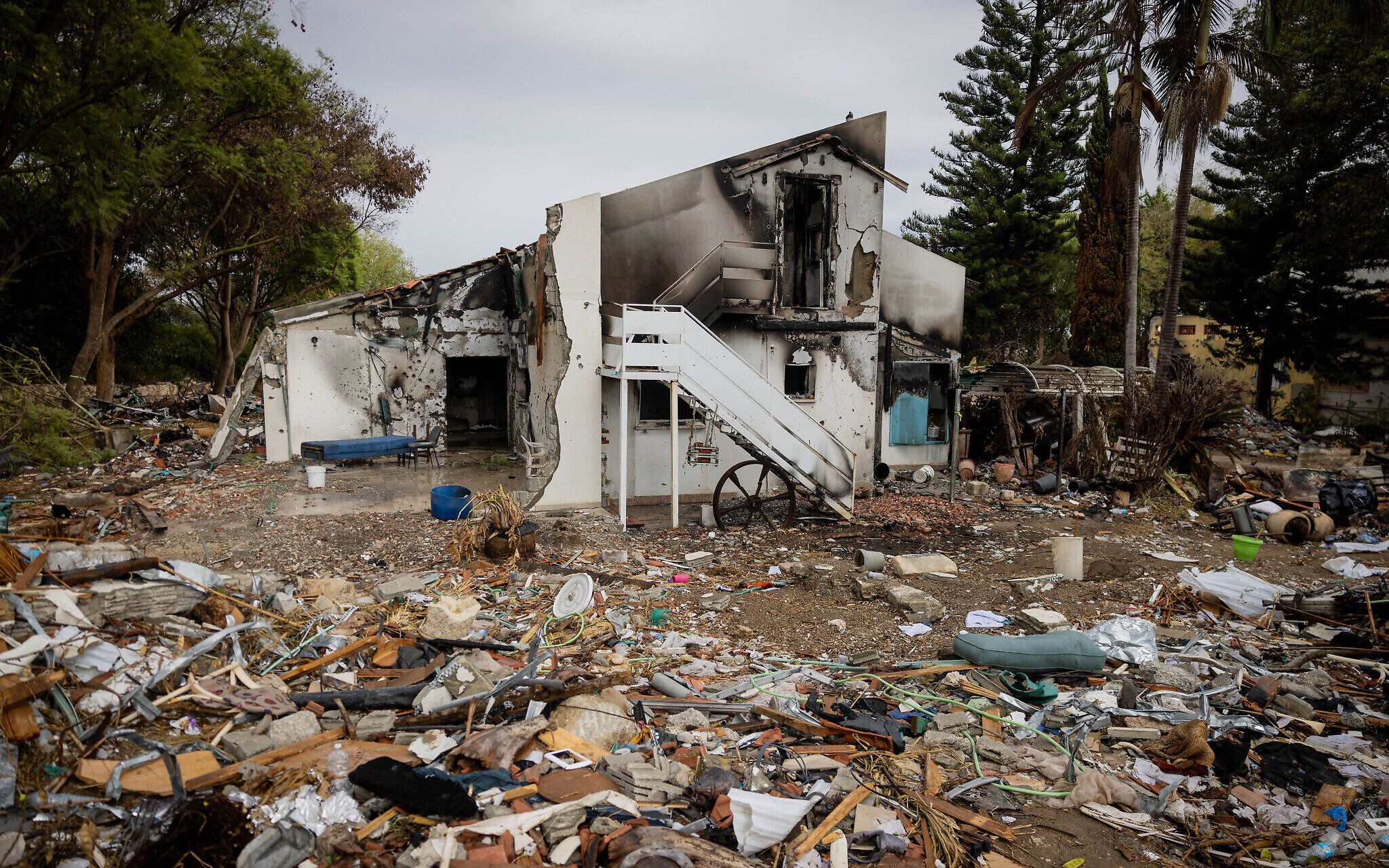
Instead, he was abducted by Hamas terrorists who attacked the festival and was taken to the home of Pessi Cohen in Kibbutz Be’eri, where the gunmen were holed up with 14 living hostages and one dead. After a clash between the terrorists and IDF forces, most of the living hostages, including Suhaib, were killed.
Until now, Razeem, 66, has never spoken publicly about what happened.
In an interview with The Times of Israel in the family home where Suhaib lived until his murder, the loss is palpable. Yet even Suhaib’s siblings, Razeem noted, have rarely spoken to the press.
There is particular sensitivity in Suhaib’s case. He was an East Jerusalemite, an Arab Muslim, murdered by Hamas terrorists in an attack aimed at Jews and Israelis in a self-proclaimed act of Palestinian nationalist resistance.
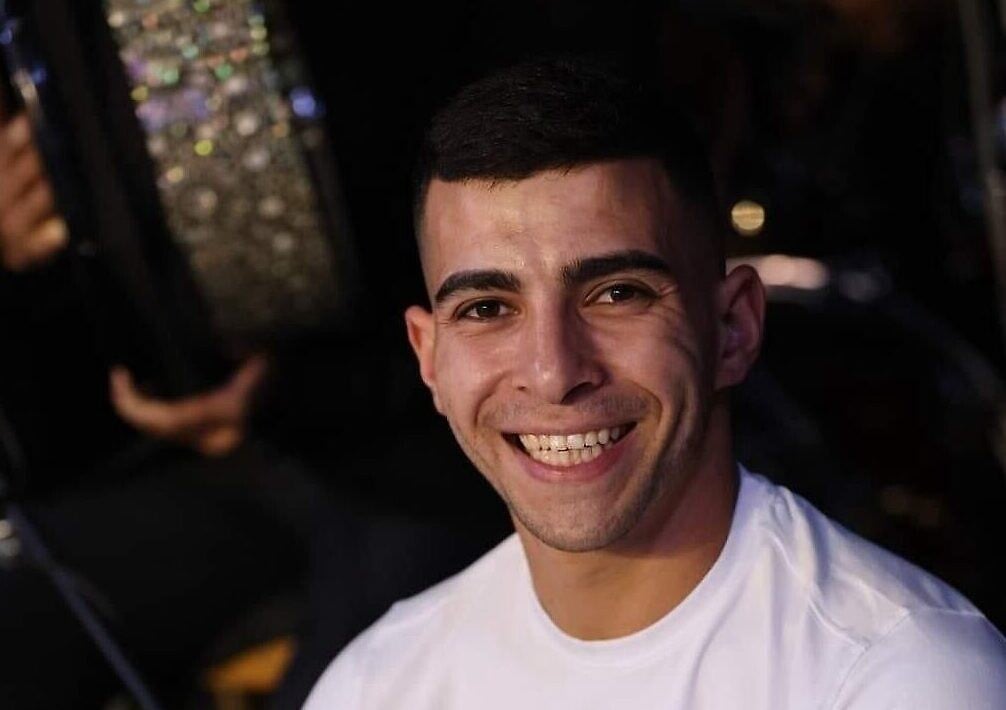
Suhaib was 22 when he was killed, the eighth of nine children in the family. Like most East Jerusalem residents, the Razeems hold permanent residency in Israel but not citizenship.
Suhaib became a licensed bus driver less than six months before his murder, after working in poultry processing for several years. He soon dreamed of buying his own shuttle.
“In our community, we sometimes collect money for someone’s studies or for a wedding, so we collected money for him. He told his mother, ‘Either I’ll get married or I’ll buy the shuttle bus, and I’ll pray on it.'”
“In the end,” Razeem said, “he decided to buy the vehicle and worked about four or five trips before he was killed. The Nova run was his fifth or sixth job.”
Just four days before Suhaib was killed, Razeem and his wife traveled with their eldest daughter and her family to Mecca for the umrah pilgrimage. As a devout Muslim, Razeem had been there several times before, once even with Suhaib. This time, his son stayed behind.
“He said, ‘I won’t take a shuttle job that day you will leave, I’ll drive you to the Allenby Bridge.’ He drove us, we said goodbye, and that was it. We were supposed to be away for a week and a half, returning Saturday, October 14,” Razeem said.
Three days later, on October 7, Suhaib arrived at the Nova festival grounds in southern Israel to pick up partygoers. He likely arrived just before Hamas’s surprise assault began.
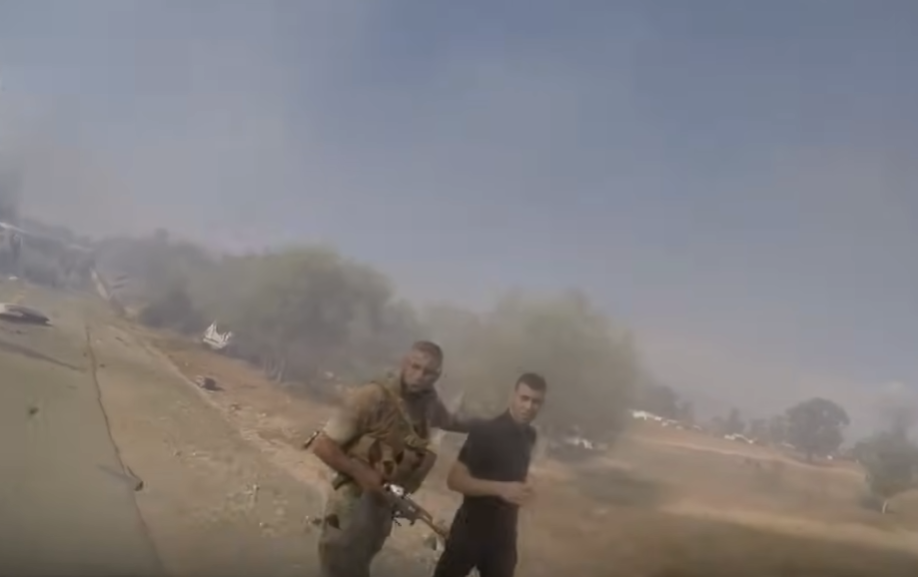
In a video filmed by the terrorists that was published later in television reports, Suhaib is seen at the festival, surrounded by armed Hamas gunmen. One holds him by the arm and leads him toward others. They ask him in Arabic: “Are you Arab? Are you Arab? Where are the soldiers?” One of them says they took his ID and that he’s a shuttle driver, then tells another fighter: “Take him.”
The terrorists apparently let Suhaib call his family to say he had been kidnapped, though it is unclear whether he called from the festival grounds or later at Cohen’s house in Kibbutz Be’eri, where the gunmen barricaded themselves with the hostages.
Suhaib didn’t call his father, who was abroad, but his brothers in Jerusalem.
According to Razeem, “Suhaib spoke with his brothers and told them, ‘They took me.’”
The brothers immediately went to a local East Jerusalem police station and to a Jerusalem Red Cross representative to report the kidnapping.
Later, Suhaib called the brothers again from the phone of a Jewish woman who was held captive with him after the kidnappers let each hostage call their family.
His brothers informed their older sister, who was with their parents in Mecca, but she kept news of the abduction from her parents until Saturday night, when they were set to complete the pilgrimage.
“That night, after finishing the umrah, we went back to the hotel,” Razeem said. “My daughter lit up like fire, and said, ‘Come, I need to tell you something.’ I asked what happened. She said, ‘War broke out, and my brother was kidnapped.’ I told her, ‘My son is dead.’ She said, ‘No, father!’ I said, ‘That is my feeling — that he is dead.’ I called my children in Israel and they told me, ‘No, he’s fine, he was kidnapped but he’s okay.’”
Still no clear answers
Following the news, the family tried to return to Israel early but struggled to get back. The Allenby crossing between Jordan and the West Bank, through which they had to cross to get to and from Saudi Arabia, had been shut down.
Razeem and the other family members who had made the trip arrived back at their home in Jerusalem on Thursday afternoon, October 12 — five days after the massacre.
During that entire time, Razeem said, the family had no idea what had happened to Suhaib, and no official provided them with updates.
The following Monday, the police called and asked Suhaib’s parents to come to the station and give a DNA sample. In hindsight, the family realized this was to identify his body; at the time, the police did not tell them why they needed the sample or that their son had likely been killed.
It was 10 days after the October 7 massacre, on October 17, that police representatives, doctors, and social workers came to the family home to inform them that Suhaib was dead and that they would receive his body for burial.
The next day, Suhaib’s body was brought by a military ambulance to a hospital in East Jerusalem and from there to burial. Even then, army and state officials did not provide details about the circumstances of his death.
“They gave us a slip saying he had died, but the cause of death — we don’t know. Until now, we don’t know,” Razeem said.
Suhaib was laid to rest 11 days after his murder, but, as Razeem noted, compared to other victims of October 7, this was relatively early, given the immense difficulty of locating and identifying bodies from the worst mass-casualty event in Israeli history.
“Jews who work with my children were surprised they gave him back to us so quickly, because for many others it took much longer,” he said.
Because of the DNA test, formal visual identification was not required. Still, Razeem went to see his son’s body when it was transferred from the ambulance to al-Makassed Hospital in East Jerusalem, from where the funeral procession departed.
He described seeing injuries on the entire right side of his son’s body, but could not say more about what happened to him.
“I asked the person handling the body before the burial, ‘Is he intact?’ They said yes. We buried him, friends came, and we sat for three days,” Razeem said through tears, describing the mourning period in Islam.
What the family knows of that day
Any other details of his son’s death that Razeem knows today, he learned from the media.
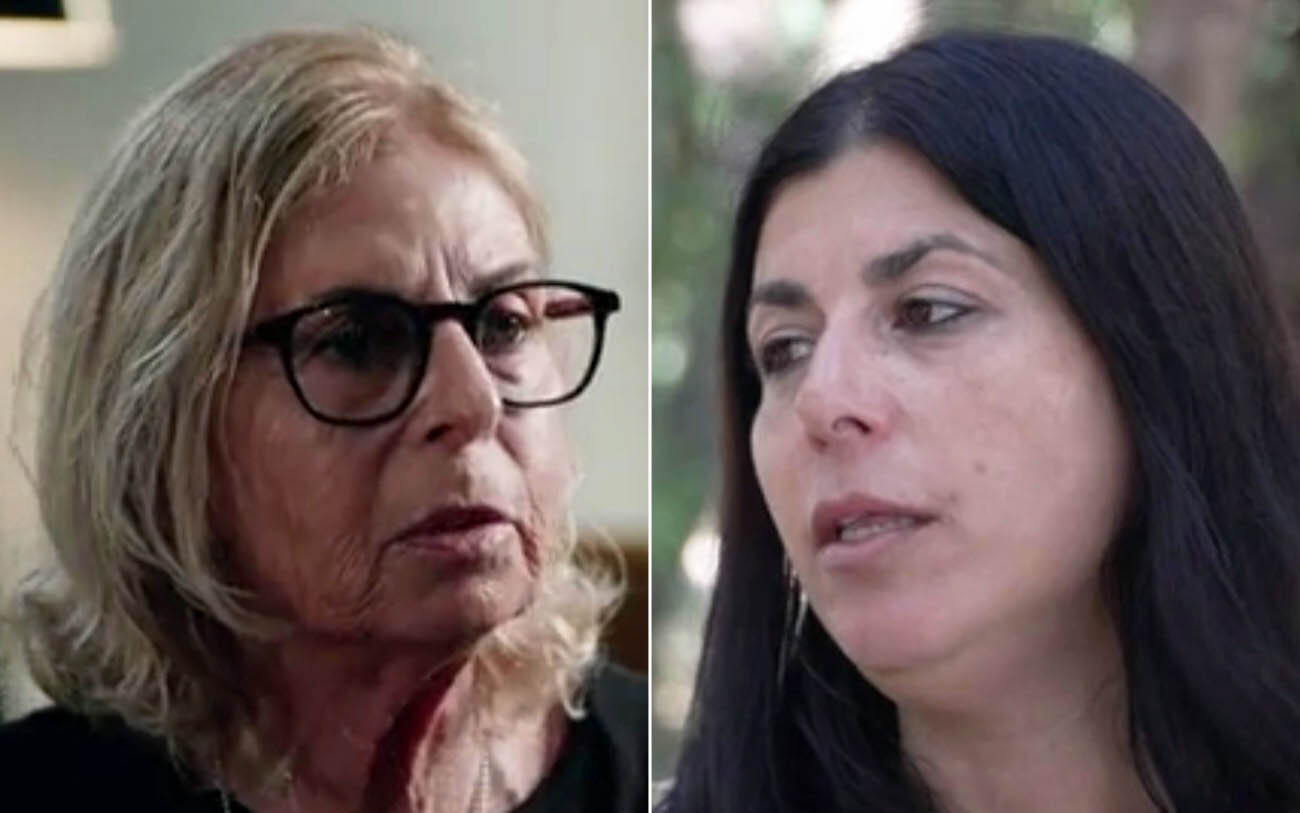
Fluent in Hebrew, Razeem followed reports in Hebrew news outlets in the months after the massacre. The only two survivors from the hostage standoff in Cohen’s house in Kibbutz Be’eri, Hadas Dagan and Yasmin Porat, were interviewed and spoke about Suhaib.
They recounted how Suhaib had served as a translator between the other hostages and the terrorists, and it was likely for this reason that he was abducted at the Nova festival and taken to the Kibbutz Be’eri house.
The incident in Kibbutz Be’eri was one of three hostage standoffs between terrorists and Israeli forces during the October 7 onslaught. The others took place at a home in Ofakim and at the Sderot police station.
“[Suhaib] said to me, ‘Look at me, I’m from East Jerusalem. We [meaning the terrorists] want to take you to Gaza,'” Porat told Israel’s Channel 12 in December 2023 in a joint interview with Dagan.
According to Dagan, “At that moment there was unease around the table… and then the translator said, ‘Calm down, calm down, they’re only taking you to the Erez Crossing and to Gaza, and tomorrow night you’ll be home.’”
Porat, who survived because she was taken from the house as a human shield by a surrendering terrorist, told Haaretz: “I don’t know why they chose me. There was some sort of connection between me and Suhaib. At first, he calmed me and said they would take us both to the Erez Crossing. When the terrorists took a phone to speak to the police, Suhaib turned to me, and that’s how it began.”
Both survivors described how, late Saturday afternoon, after long hours of attempted negotiations between IDF and police forces outside the house and the terrorists inside, the IDF began shelling the building.
An IDF probe published last year also determined that Brig. Gen. Barak Hiram, by then in Kibbutz Be’eri but not at the house itself, had authorized the use of light tank shells to be fired at and near the home starting at 5:00 p.m. to pressure the terrorists to surrender.
According to the probe, one hostage was killed by the shelling. The causes of death of the other hostages were not definitively identified, though many were apparently killed by gunfire — possibly by the terrorists.
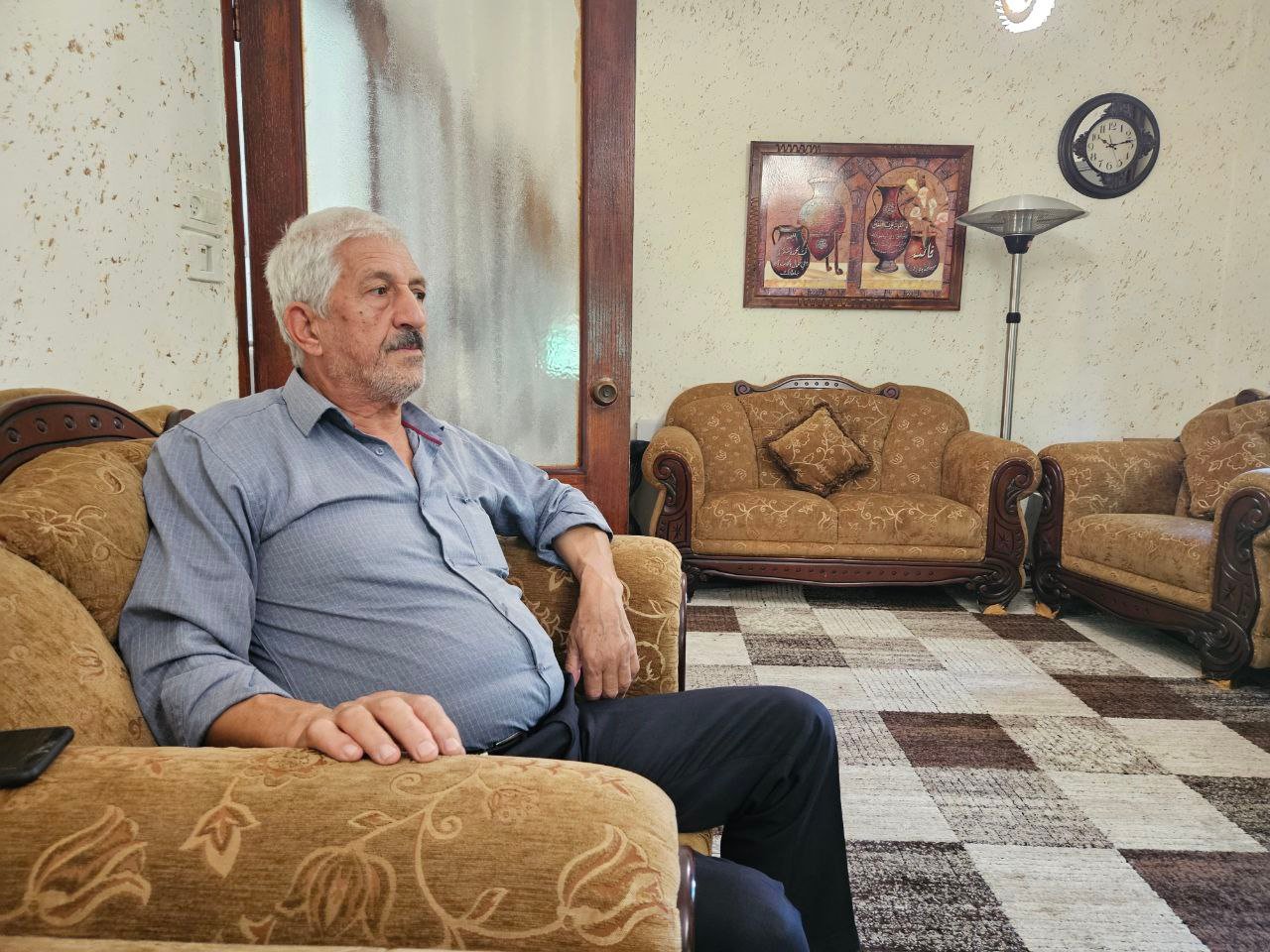
Beyond their rare interviews with the media, Razeem explained that the family does not speak about the circumstances of Suhaib’s death outside their immediate circle. When you enter the home, Suhaib’s memory is everywhere, but the details — even that he was murdered on October 7 — are kept within the family.
When asked if they ever talk about it with neighbors or acquaintances in East Jerusalem, Razeem replied: “We haven’t spoken to anyone about what happened. We don’t want people saying things later… What for, to open wounds? Everyone knows he died in the war. But what happened, and where he died — we don’t want to share. That’s within the family, between us, the children and the uncles. With anyone else, we don’t talk. It’s our secret.”
A devout Muslim, Razeem struggled when asked whether the fact that his son was killed by fellow Muslims made the loss harder to bear.
“That’s what happened,” he said. “We do not oppose God. This is how God decreed it. Arab Muslims don’t resist fate. Why? That is with God.”
A further challenge
Razeem’s daily life is now weighed down by another challenge common in East Jerusalem: the threat of home demolition. His house, built 22 years ago, was once under a demolition order that was canceled, Razeem said, but two years ago, the municipality reissued an order saying the home was built illegally.
Since then, he has twice met with Jerusalem Mayor Moshe Lion, who referred him to the city’s legal advisers. They didn’t cancel the order, but postponed it by two years. In the meantime, Razeem is meant to pay a fine of NIS 1,000 ($300) each month for unauthorized construction.
Building legally in Israel requires zoning plans, but East Jerusalem’s neighborhood master plans date back to the 1980s and 1990s and have not been updated to meet the needs of a growing population. Retroactively legalizing construction is generally a complicated process, dependent on land status and government approval.
“If I want anything now, it’s that they solve this,” Razeem said.
He added that from time to time, groups such as the Nova victims organization and associations commemorating terror victims reach out to him.
“They are fine, but I don’t want to involve them in what’s happening,” he said.
The Jerusalem Municipality said in response to a query from The Times of Israel: “Out of respect for the unfortunate circumstances and the tragedy that occurred, and at the request of the mayor, the municipal prosecutor met several times with Mr. Mohammed Razeem, father of the victim of the Nova festival, more than a year ago.
“As part of the assistance efforts, the family was granted relief in several payments and in interest on arrears for nonpayment of construction violation fines,” it continued, adding that efforts were being made to rectify the situation and prevent the building’s demolition amid a “complex” property dispute between Razeem and third parties.
Looking at his pictures at night
Suhaib never had the chance to marry or have children.
“He hadn’t even started to build his life,” Razeem said.
Still, he left behind a large family — eight siblings and many nieces and nephews. The family continues to grow after his death. During our interview, one of his sisters went into labor with what would have been Suhaib’s 21st niece or nephew.
“I miss him in so many things. All his friends were married, so he would sit here with me at home. He looked after his nieces and nephews. He bought earrings for his niece, gifts for the kids, threw them little parties,” Razeem recalled, showing photos of Suhaib organizing family meals.
At the same time, Razeem described how he never restricted Suhaib in his life — perhaps a sign of being one of the younger children, after seven older brothers and sisters.
“He flew to Turkey, to Thailand. I never asked him, ‘Where are you, where are you going?’ I didn’t tie him down; I didn’t want him to feel bound,” Razeem said.
He admitted that last year, as October 7 approached, the grief hit him harder.
This year, the family held a memorial service for Suhaib ahead of the anniversary date.
“Last week, his mother made a memorial for him. She said, ‘I don’t want to do it on the 7, I want to do it separately.’ She invited her friends and neighbors, cooked food. We don’t forget him. At night, I sit, open my phone, and look at his pictures, the ones I showed you,” Razeem said.
Throughout the conversation, Razeem repeated that despite the passage of time, he still cannot grasp — and may never fully accept — the loss of his son.
“I still don’t understand what happened. I can’t make sense of how this disaster happened,” he said. “My mind can’t take it in. It’s like a dream, and I haven’t woken up from it yet.”

The Times of Israel Community.