

First Italian translation of Talmud to be published
Dozens of translators, linguists, philologists, historians and researchers have been working on the volume
 Add ToI as a Preferred Source on Google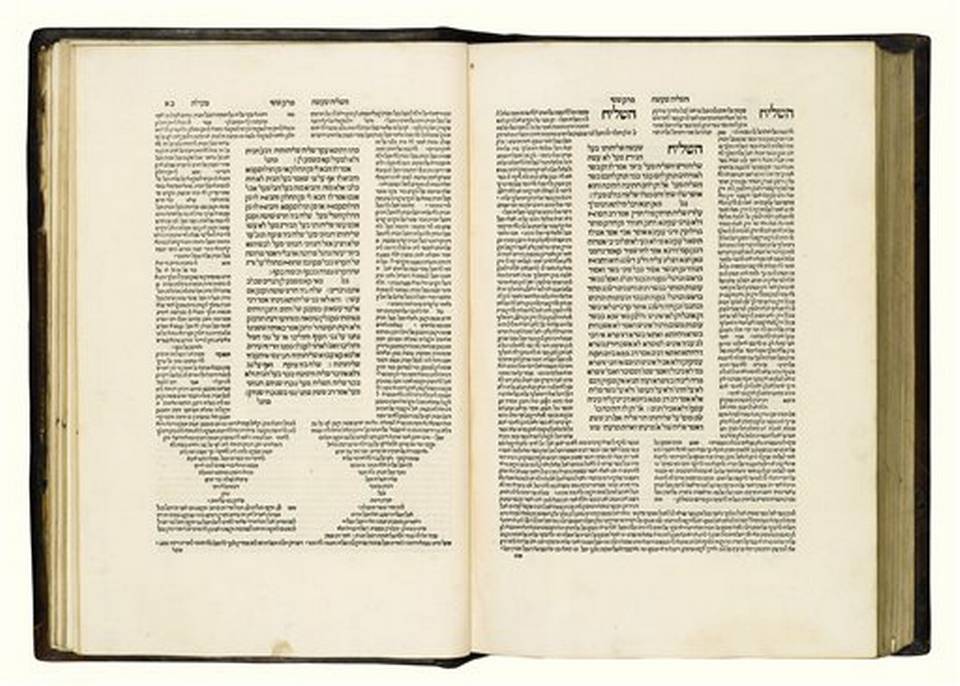
The first Italian translation of the Babylonian Talmud will have its first completed volume published next week.
The Rosh Hashanah tractate will be ceremonially presented to Italy’s president on April 5, five years from the start of the state-funded project.
“Project Talmud” got under way in 2011 with an agreement signed by representatives of the government, the National Research Council, the Union of Italian Jewish Communities and the Rabbinical College. The government allocated 5 million euro, about $5.6 million, for the project.
Dozens of translators, linguists, philologists, historians, researchers and other specialists have been working on the translation. Located in various centers and institutions, they use sophisticated software specially developed for the project by the Institute for Computational Linguistics.
Called “Traduco,” or “Translate,” in Italian, the software is described as “a collaborative web environment for the computer-assisted translation of ancient texts” and allows scholars to annotate, comment and exchange information as they work on the same complex translations at a distance.
“It’s really a new way to work, which I imagine can be used in other fields,” Rome’s chief rabbi, Riccardo Di Segni, who chairs the Talmud project, told La Stampa newspaper.
The Rosh Hashanah tractate is being published in book form by the La Giuntina, a Florence-based publisher that specializes in Jewish books. The volume includes the original text of the Talmud with the Italian translation. It will be available for purchase beginning on April 5.










The Times of Israel Community.