

For photogenic Jerusalem, a look at how locals first captured their city
Shot from every angle since cameras were invented, the capital has usually been viewed through an outsider’s lens. A new exhibit of residents’ pictures from 1900 to 1950 takes a first shot at filling the gap
 Add ToI as a Preferred Source on Google
Sue Surkes is The Times of Israel's environment reporter
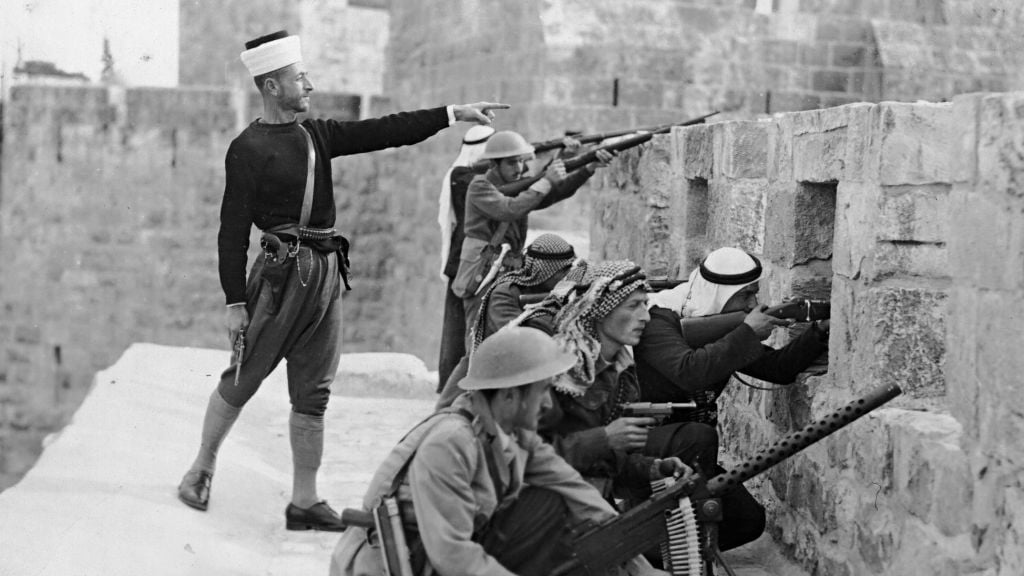
Jerusalem has been photographed from nearly every conceivable angle, dating back to the 1830s, when the world’s first photographic images were captured on film.
That photographic heritage is the subject of a new exhibit, “The Camera Man: Women and Men Photograph Jerusalem 1900-1950,” opening Thursday, May 26, at Jerusalem’s Tower of David Museum.
It was European visitors to the ancient city who were the first to photograph Jerusalem’s ancient sites and walls, and their own agendas colored those early photos, said curator Shimon Lev.
The tourists were photographers, archaeologists and devout Christians drawn to the perceived mysteries of the Orient, often inspired by a desire to prove that the events told in the New Testament had happened, and taken place in Jerusalem.
They were followed by the period of “Zionist photography” in the 1920s and 1930s, when professional photographers found paid work through the Jewish National Fund. It was a period of political and ideological photography, depicting tanned young men with bulging muscles pushing plows and athletic young women dancing the hora.
That photography was ambivalent toward Jerusalem, which, at the time, represented many of the Jewish ills which Zionism was supposed to upend, said Lev.
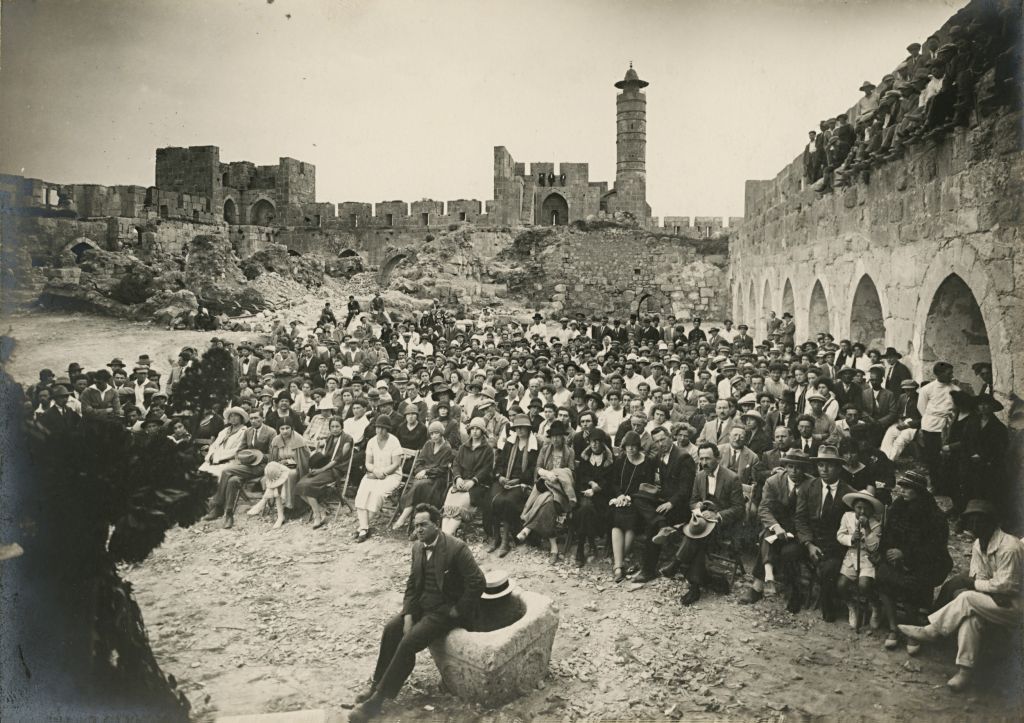
What was missing in that perspective was the photographers who lived and worked in Jerusalem, and the varied perspectives they brought to bear through the lens.
“The history of local photography in Jerusalem has never been shown as a body of work and we wanted to be the place to show it,” said Eilat Lieber, the museum’s director.
The results were culled from 18 months of intensive work, as the museum staff scoured photo archives, visited the major collectors of early Israeli photography and identified photographers — often by locating family members.
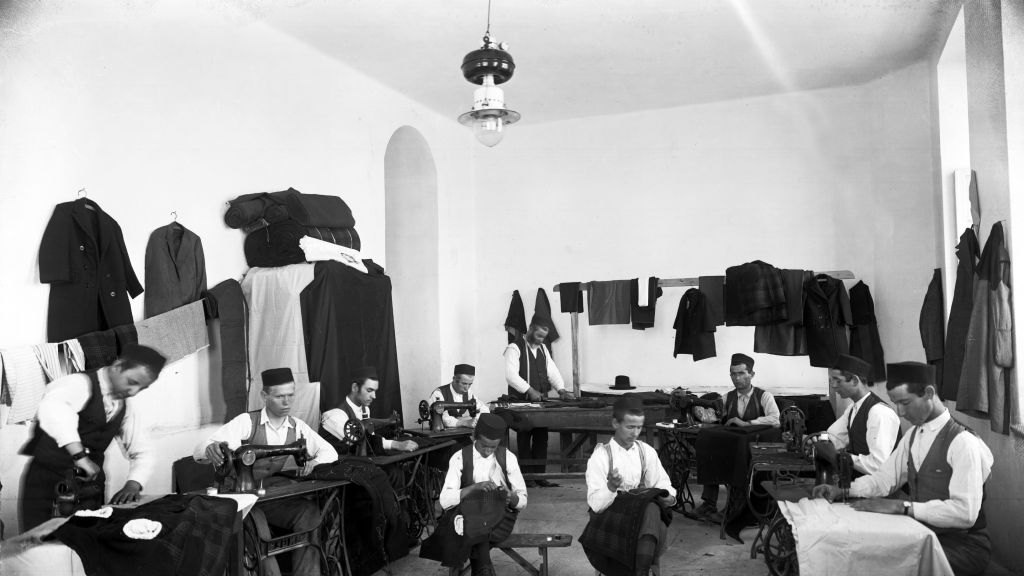
The exhibition features 120 digitized photographs and a smaller number of originals. It juxtaposes a range of styles, from formal and avant-garde, to a direct, journalistic, documentary style, creating an historic journey of the development of photography. It also casts a lens on the backgrounds of the photographers themselves, who brought their own cultures and histories to bear on their subjects and works.
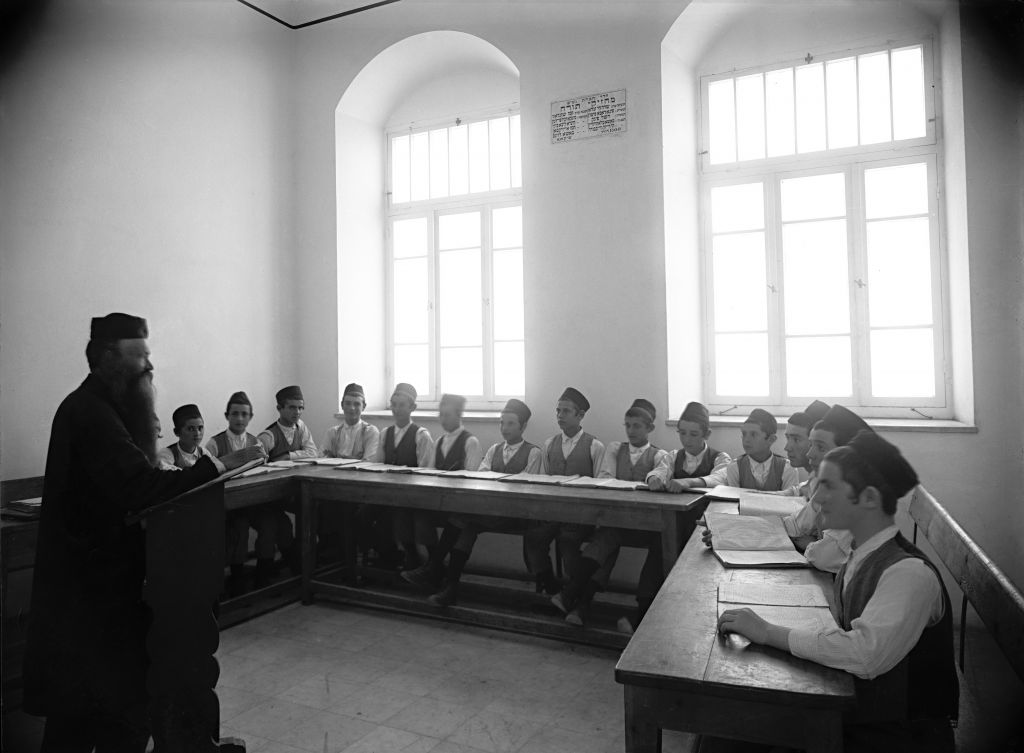
Of the 34 photographers on display –- including Jews and Arabs, women and men — Tsadok Bassan was the first Jewish photographer born in the city. A member of a third-generation, religious Jerusalem family, he created a unique photographic record of life in pre-state Jerusalem, immortalizing what went on in yeshivas, orphanages, soup kitchens, hospitals and cemeteries. Each of his pictures is meticulously composed, and natural light is a conspicuous feature.
In startling contrast, German-born Alfred Bernheim, one of the city’s foremost professional photographers, brought the style of the Weimar period and the New Vision movement to bear in his modern, angular compositions.
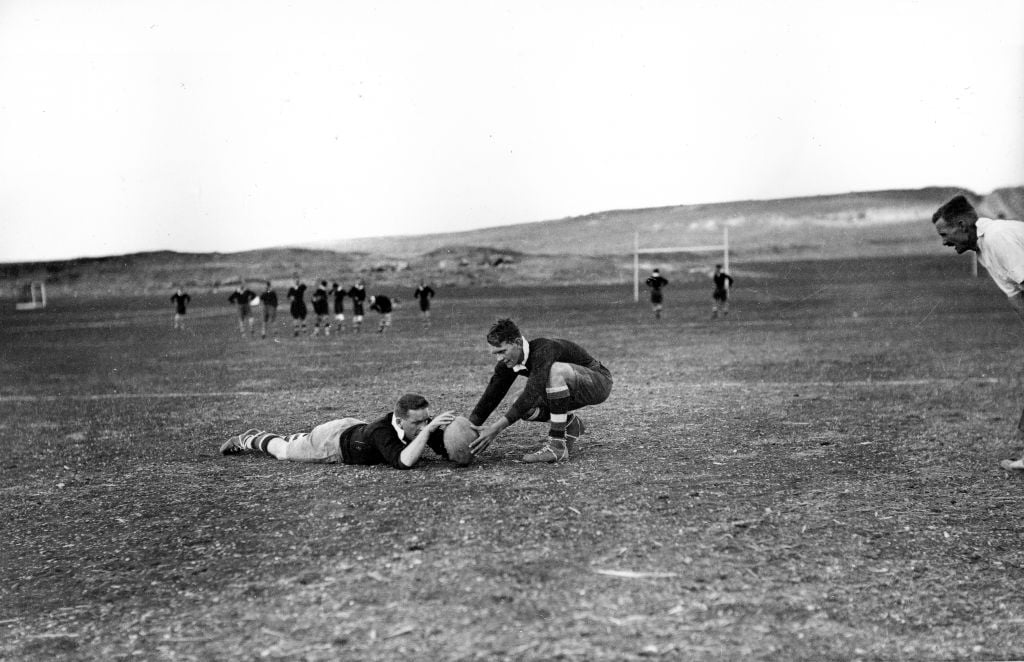
Zvi Oroshkes (Oron) came from Russia and, thanks to good contacts with the British, took journalistic pictures for the British Mandate administration. One shows a pair of clowns dressed up to entertain English families. Another depicts a rugby match.
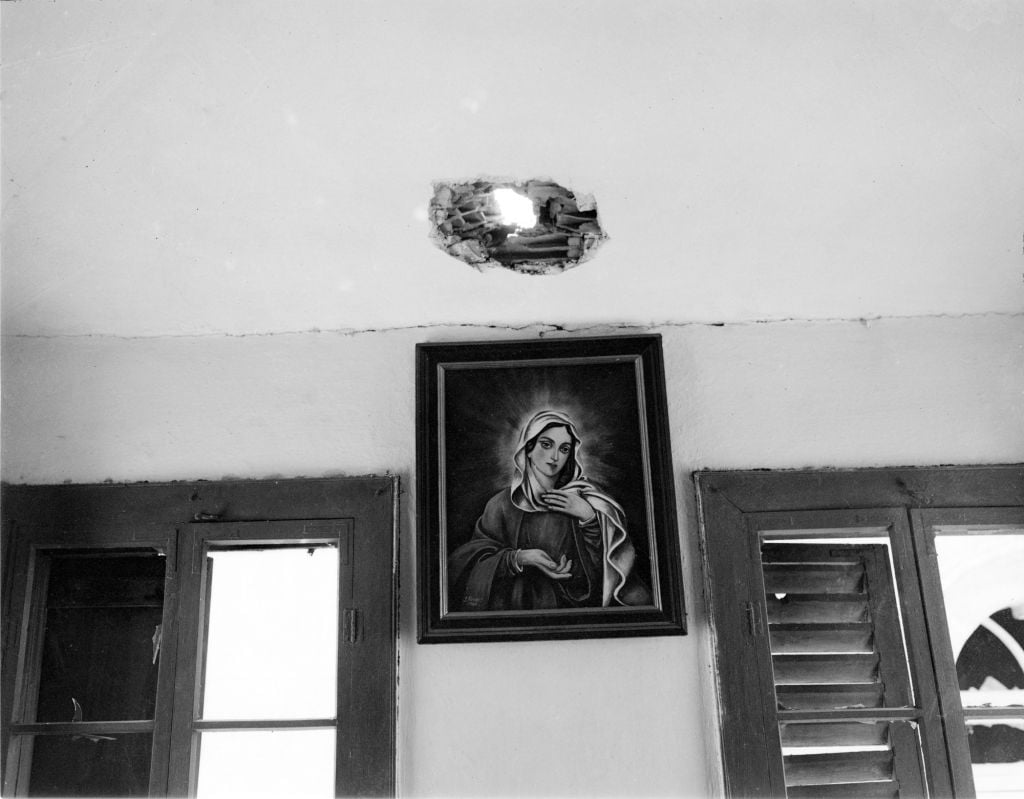
While photographs of the War of Independence are relatively well-known, Lev chose a humble yet striking image taken by German-born Rudolf Jonas of a father walking with his child through an alley flanked by sandbags. Ali Zaarour, probably the first Muslim Arab photographer to work in Jerusalem, is featured with a poignant image of light streaming down on a painting of the Virgin Mary through a hole in the ceiling blasted by a shell.
The 120-photograph show, organized by photographer, will be accompanied by two smartphone apps, one telling the story behind the exhibition, the other featuring locations in Jerusalem as photographed then and now. In addition, visitors will be able to don costumes and pose against a background for formal portraits in the style of the early 20th century.
The museum is also inviting visitors to create the next century’s accounting of everyday life in the city by contributing their own family photos to the museum, complete with information about the photographer, the subjects and the occasion.
As part of the museum’s effort to draw visitors to their Old City location, they are creating panels of some of the photos that will be placed outside the downtown Clal Building, next to the Mahane Yehuda market, in order to engage with Jerusalemites and tourists.
The idea for the exhibit came from the Tower of David’s own photographic archive that includes thousands of unsolicited photographs sent to the museum. The contents of the archive were recently digitized and uploaded onto an international online collection for museums. A Culture Ministry grant will support restoration of the collection, and the aim is to make them eventually available to the general public online.
Lieber said the largest photo archive in the city is held by the Jerusalem Municipality, and which is currently closed to museums, researchers and the public. Her hope is that the museum’s exhibition will persuade the decision-makers to open the archive, digitize it, and put it on-line.
“The Camera Man,” Tower of David Museum, May 26 — December 12, 2016.









The Times of Israel Community.