

Hamas leader: No swap talks until ‘Shalit prisoners’ freed
During Eid al-Fitr speech, Haniyeh also says his group is prepared for a new war with Israel but doesn’t expect one soon
Dov Lieber is a former Times of Israel Arab affairs correspondent.
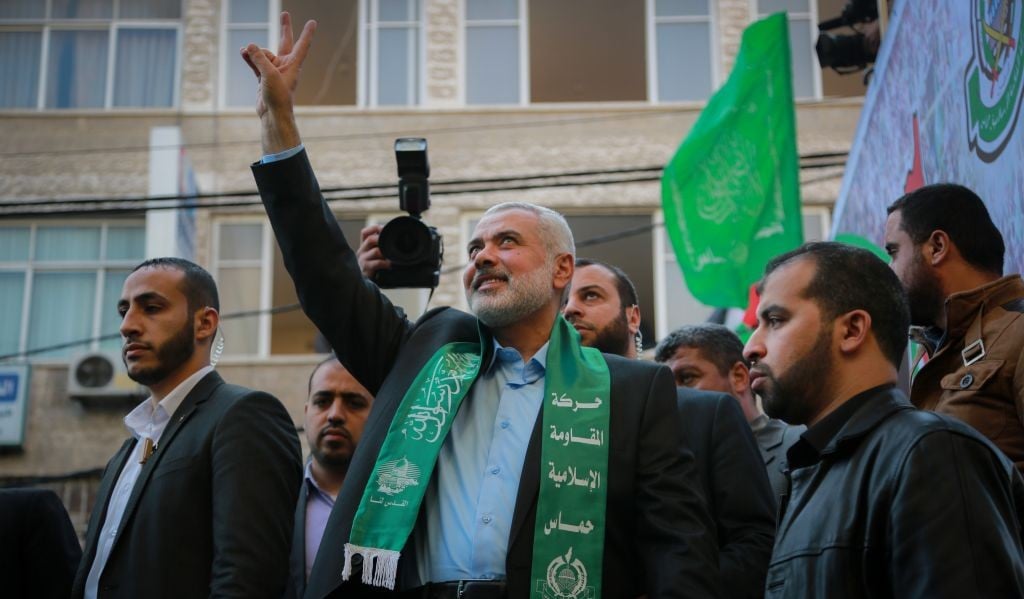
Hamas’s leader in the Gaza Strip, Ismail Haniyeh, doubled down Wednesday on his group’s insistence that it wouldn’t begin prisoner-swap talks with Israel until the so-called “Shalit prisoners” are released.
In 2011, kidnapped Israeli soldier Gilad Shalit was released in exchange for 1,027 Palestinian detainees. Israel rearrested around 50 of those who were released in the deal in the summer of 2014 during a search for three Israeli teenagers who were kidnapped and, it later emerged, killed by a Hamas cell.
The issue of two Israelis missing in Gaza, as well two killed-in-action soldiers whose remains are being held in the Strip, has emerged as a political debate in Israel following a reconciliation deal with Turkey signed last week, ending a six-year diplomatic rift.
The families of Lt. Hadar Goldin and Sgt. Oron Shaul, both killed in the 2014 war in Gaza, as well as that of Avraham Abera Mengistu, who disappeared in the Strip later in 2014 and is believed to be still alive, have long called for the government to guarantee that the return of their sons was included in the Turkey agreement.
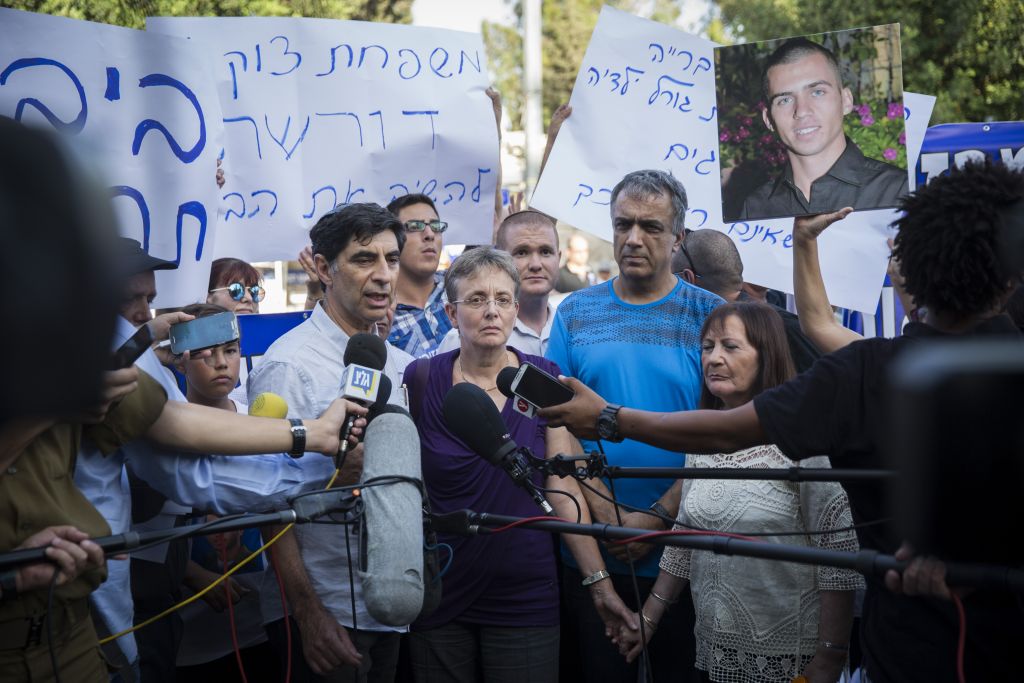
A fourth Israeli man, Hisham al-Sayed, is also being held in Gaza, but his family is opposed to applying pressure on the government.
Speaking at a mosque in Gaza on the occasion of the Muslim holiday of Eid al-Fitr, Haniyeh denied there were any prisoner swap negotiations underway with Israel. He reiterated Hamas’s demand that all “Shalit prisoners” be released before any new negotiations can commence.
On Monday the Hebrew daily Yedioth Ahronoth said that while Israel has been seeking — through foreign intermediaries — to initiate negotiations for the return of the civilians and of the soldiers’ bodies, it has been unwilling to give anything away just to bring Hamas to the negotiating table.
“Hamas wants a Shalit 2 deal, with the release of hundreds of prisoners,” the paper quoted an unnamed senior Israeli official as saying.
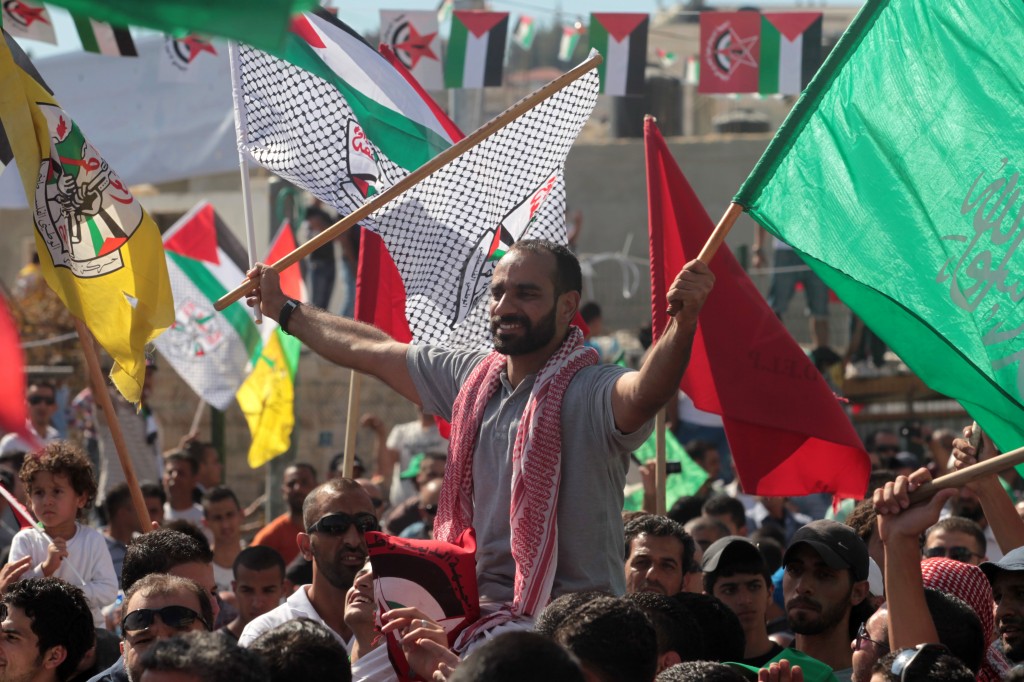
During his speech on Wednesday, Haniyeh also spoke about Israel’s “increased threats” against Gaza, saying his group was ready for conflict but not expecting one.
“The resistance, thank God, has taken the precaution of being prepared and ready,” he said. “This is not to say that we are facing a new war, but rather that Gaza is not intimidated by [Israel’s] threats.”
Internecine Muslim violence
Haniyeh harshly criticized the recent string of terror attacks over the month of Ramadan in Muslim countries, including bombings in Turkey and Saudi Arabia.
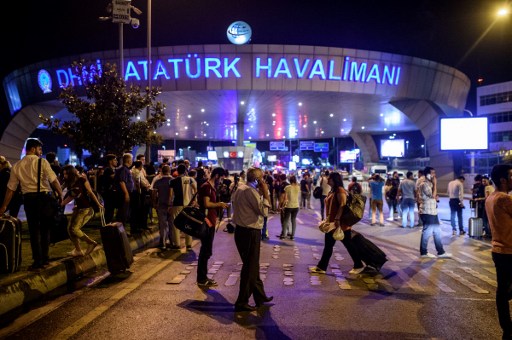
“The killing between Muslim and Arab nations, the sectarian conflicts and bloody bombings are aimed at diverting the compass from the Jerusalem and al Aqsa,” Haniyeh said, referring to the mosque located on the Temple Mount in Jerusalem, known to Muslims as the Haram-al-Sharif.
“We say on this holiday no to killing within the Islamic nation and yes to uniting against [Israel],” he added.



The Times of Israel Community.