

Hospitals split over rabbis’ orders to confiscate food not kosher for Passover
5 medical centers announce they won’t check visitors’ bags for leavened food, 3 say they will, following petition to High Court by secular Israelis against the orders
 Add ToI as a Preferred Source on Google
Sue Surkes is The Times of Israel's environment reporter
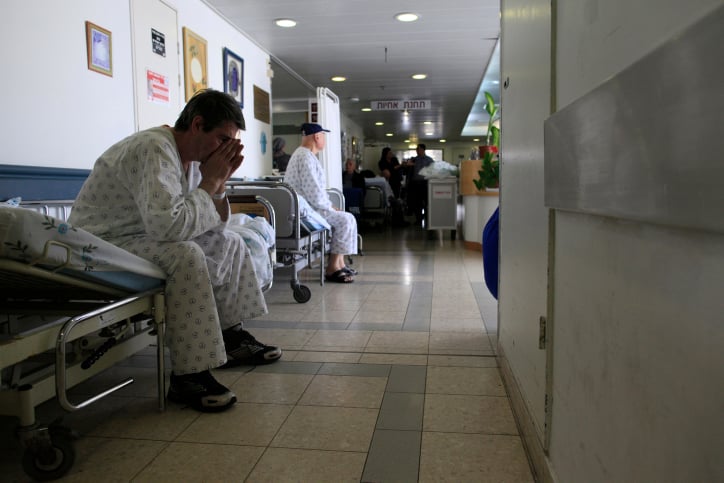
Five hospitals have announced that they will not obey orders from the Chief Rabbinate and the Health Ministry to have security guards at entrance gates check visitors for leavened products — the ownership and consumption of which Jewish law forbids during the upcoming Passover festival.
The five are Ichilov in Tel Aviv, Rambam in Haifa, Wolfson in Holon, Barzilai in Ashkelon and Jerusalem’s Shaare Zedek, which serves a substantial Orthodox Jewish population.
Three hospitals, meanwhile, have announced that they will continue to follow the rules, which have become a norm in recent years: Hadassah’s two campuses in Jerusalem, Laniado in Netanya, and nearby Hillel Yaffe, in Hadera.
The announcements follow a petition to the High Court filed by the Secular Forum NGO, together with lawmakers from the left-of-center Zionist Union and the left-wing Meretz parties, seeking a ruling against the conditioning of Passover kashrut certificates for hospitals on the institutions’ checking and confiscation of leavened products. In a democratic state, the petition argued, members of the public should be able to eat as they like and should not be coerced.
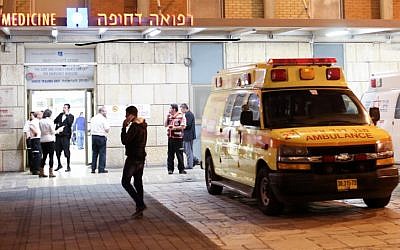
Where the rules are practiced, visitors are asked to leave at the entrance — to be picked up on their way out — any food other than whole fruit and vegetables or sealed packaged food stamped “kosher for Passover.”
On Sunday, the state sided with the Health Ministry, headed by an ultra-Orthodox lawmaker, Yaakov Litzman (United Torah Judaism).
Dr. Chezi Levy, CEO and medical director of the Barzilai Medical Center, told Army Radio on Tuesday that as a secular person, he respected the Passover fesitval and did not support the High Court petition. Signs at the hospital gates would ask people to honor the ruling.
But, he went on, the rabbinate’s instructions were to prevent the entry of leavened food into hospitals, not to search through people’s bags.
“I don’t think it’s right that a security officer at the hospital gate should rummage through people’s bags or open the trunk of the car looking for chametz [food prohibited by Jewish law on Passover, e.g., bread and baked goods].
“I also don’t think it’s right to invade the privacy of patients and their closets and to look through their clothes and belongings to see whether they’ve hidden a pita bread,” he said.
“It’s not right to desecrate the festival. If we see people eating chametz in a public place we’ll ask them to stop and either to put it away or throw it away. But if a person brings chametz into the hospital in a bag and it stays in the bag, I’ll probably not know about it and will not be able to prevent it. It would show respect neither to the security guard, nor the visitor, nor the festival, to force him to throw it out.”
The Passover custom of eating only unleavened products commemorates the Exodus of the Jewish People from Egypt which, according to the Bible, took place so quickly that they did not have time for their bread to rise.









The Times of Israel Community.