

How to store a healing root? Gingerly
As low yields in China drive prices way up, we offer ideas for long-term preservation of an aromatic and medicinal delicacy
- See more Times of Israel on Google - add us as a Preferred Source
Phyllis Glazer is an American-born food journalist based in Tel Aviv, Israel. She is the author of several cookbooks that have been published in Hebrew, German, and Italian, and appears frequently on television and radio in Israel.
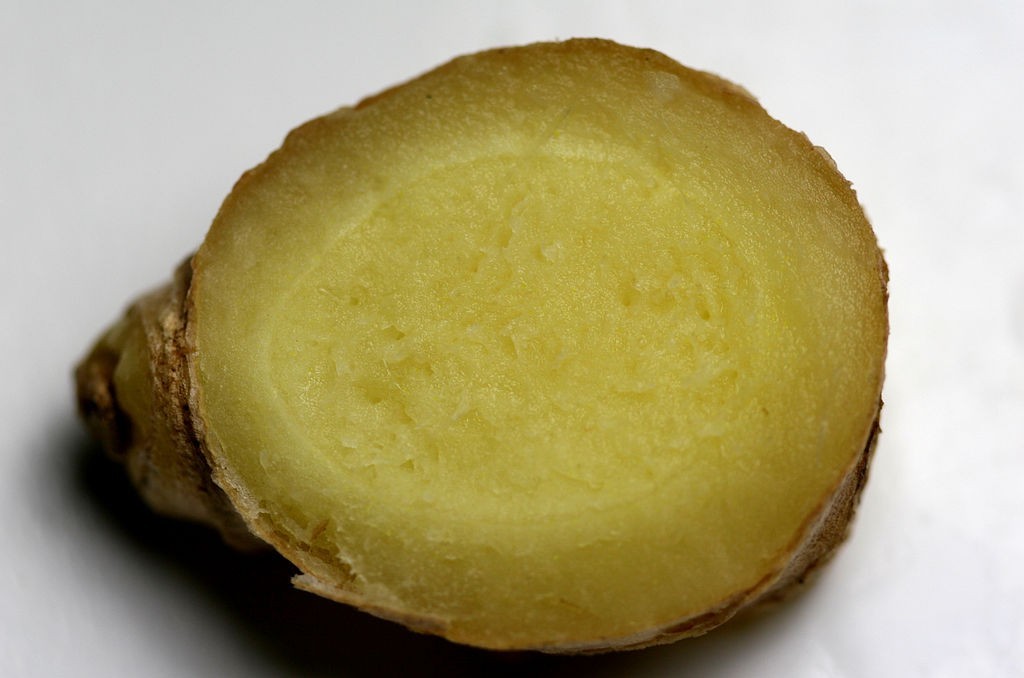
I adore the flavor of ginger, and in my kitchen there’s always a supply of it, including fresh, dried, powdered and candied, thanks to all of its culinary and healing properties.
It’s not a flavor I was familiar with from my childhood; if my mother used ginger at all, it was the powdered kind, and then just for yams, gingerbread and the annual pumpkin pie. I doubt that anybody even knew back then that ginger is derived from a fresh root, which, like cilantro (known in those days as Chinese parsley) could only be found in one’s local Chinatown. Now, of course, cilantro and ginger are ubiquitous — even in Israel.
Pungent with a slight sweetness, ginger has been used since ancient times as a carminative (to relieve gassiness), and to alleviate nausea, seasickness and motion sickness. Its active ingredient, gingerol, contains powerful antioxidants and anti-inflammatory properties, which are beneficial to people with arthritis and autoimmune diseases. Chinese medicine considers it a general strengthener for the body, and studies show that it even helps protect against colorectal and ovarian cancers.
I was making myself a glass of hot ginger tea (sliced fresh ginger, cinnamon stick, lemon juice, fresh mint and honey) the other day, when I happened to read that the price of fresh ginger has skyrocketed recently, and prices are expected to go even higher. According to Tekoa Farms, Israel’s major importer of fresh ginger, we can blame the price increase on a low yield last winter in China (which supplies 75% of world demand), hoarding of the reduced crop, and the tendency for other Asian ginger producers to join the bandwagon and hike up their prices accordingly.
So how about buying fresh ginger now and stocking up? I asked myself. And if I do, what’s the best way to store it? I tried a variety of different methods — and here are my results:
- For longest storage, place pieces of unpeeled ginger in an airtight container or a plastic zip-lock bag (use a straw to draw out the air). Label it with the current date and pop it in the freezer for up to six months. (To use, grate the unpeeled pieces while frozen; peeling it in advance means it won’t keep as well.)
- Peel and grate roots, pack by the teaspoon in a mini-ice cube tray and freeze. (This is quite boring and time consuming unless you can do it while watching your favorite TV show). Cover the tray with plastic wrap and use within three months.
- Place (large) pieces in an airtight container or zip-lock bag (draw out the air with a straw) and pop in the refrigerator. Do not wrap them first in plastic wrap. Do not store in a paper bag. Lasts about two months.
- Peel and put the roots in a jar of vodka. Store in the refrigerator up to one year. This is the priciest option of all, but you can use the vodka in a ginger martini.
- Make Japanese pickled ginger — super easy and great to have on hand for eating with sushi and seasoning dishes. See recipe below.
Homemade Japanese pickled ginger
Commercial pickled ginger is most often sweetened by artificial sweeteners and contains food coloring to give it a pinkish hue. In Japan, they use fresh shiso leaves to add color. And while some sources claim that using a high-quality rice vinegar will make the ginger turn pinkish, I have not found this to be true. Who cares? The flavor is more important.
- 250 grams fresh young ginger root
- 1½ teaspoons fine salt
- 1 cup rice vinegar
- ⅓ cup sugar (I like to use organic natural golden cane sugar)
- Sterilize a small jar by place in the oven or by “cooking” for a few minutes in boiling water. Set aside upside-down to dry.
- Peel and slice ginger as thin as possible using a sharp knife or mandolin. Sprinkle with salt, rub it into the ginger and let stand 30 minutes. Squeeze to remove excess liquid and transfer to the jar without rinsing.
- Heat vinegar and sugar together until the sugar has dissolved. Stir often. Bring to a boil and pour over the ginger in the jar.
- Cover and store in the refrigerator for at least one week before tasting. Will keep in the refrigerator for about a month.










The Times of Israel Community.