

IDF probes soldier over inciting patches on uniform, amid growing backlash
Photo from West Bank shows soldier sporting badges with slogans calling for violence; army reiterates ban on non-military symbols after rise in troops wearing religious and political tags
 Add ToI as a Preferred Source on Google
Stav Levaton is a military reporter for The Times of Israel
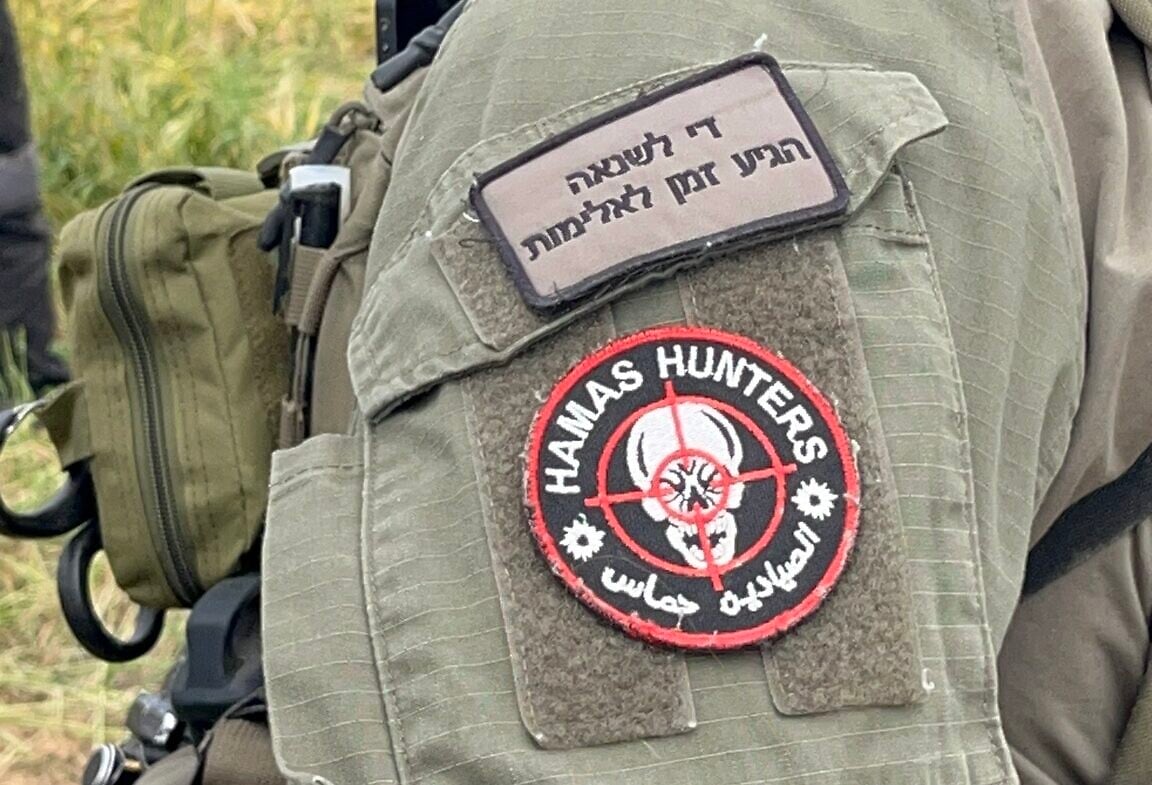
Earlier this week, a photo circulated online showing an Israeli soldier in the West Bank wearing velcro patches with inciting slogans, prompting the military to announce it was reviewing the soldier’s conduct.
The badges read “Stop the hatred, it is time for violence,” and “Hamas hunters.”
In a statement, the Israel Defense Forces stressed that wearing non-military symbols on IDF uniforms is strictly prohibited, and said that the patch “does not represent the IDF or its values.”
“The IDF operates in accordance with the law, condemns violence of any kind, and views with severity any use of symbols that undermine the army’s statesmanlike character,” the military added.
Last year, the IDF announced a series of dramatic changes to its dress code for soldiers, including the banning of non-military patches, and stipulating that troops may only display insignia such as the Israeli flag, their name and their unit’s emblem.
Despite this measure, the IDF has faced mounting scrutiny in recent months over soldiers wearing unauthorized badges bearing religious, messianic and political messages — particularly in the West Bank — where unprecedented levels of attacks on Palestinians by settlers has drawn allegations that some troops have failed to intervene or, in certain cases, even assisted in attacks.

Other instances have emerged of soldiers photographed wearing non-military patches, including ones bearing the word “Messiah” and others depicting the Jewish Temple or a map of Greater Israel, which includes the West Bank and Gaza Strip, as well as Jordan, Lebanon, and parts of Syria, Egypt, and Iraq.
The phenomenon of soldiers displaying controversial phrases or imagery on their uniforms predates the current war, but has gained popularity among religious soldiers after the October 7, 2023, Hamas-led terror onslaught.
According to a 2024 report, former chief of staff Herzi Halevi removed a Messiah patch from a soldier’s sleeve while visiting Golani Brigade troops in southern Lebanon.
Halevi reportedly placed it in the soldier’s uniform pocket, saying, “If you want, you can put it inside close to your heart, but on the uniform — only military things.”
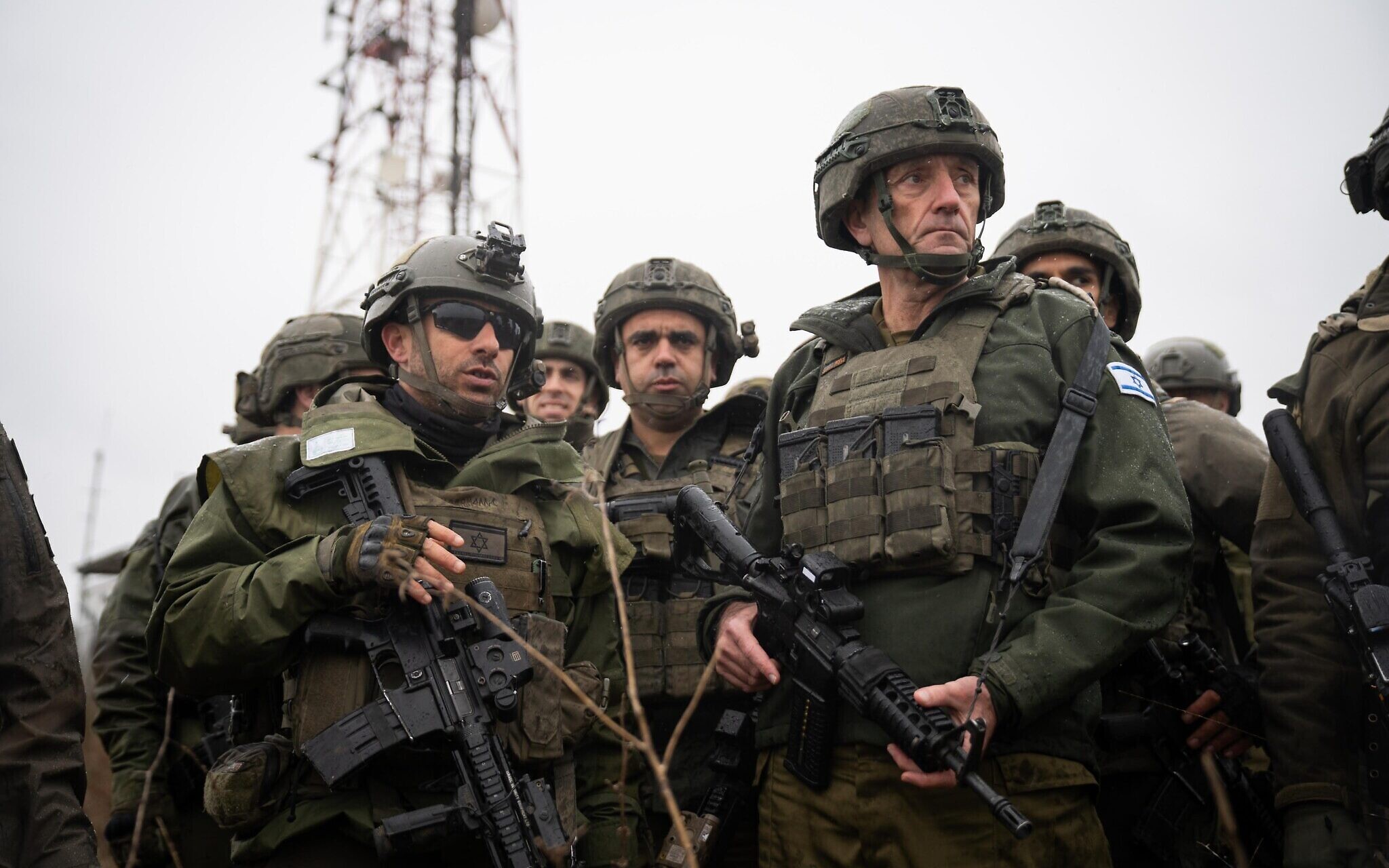
News of Halevi reprimanding the soldier, reportedly not for the first time, sparked backlash in some right-wing circles.
Following the incident, the pro-government Channel 14 network broadcast an animated clip portraying Halevi seeing the badge, causing his eyes to enlarge and for him to start screaming in agony.
“Reserve soldiers have not taken off and will not take off the Messiah patch,” a military source in the Northern Command told the Walla news site at the time. “This is a patch related to their faith. Senior commanders failed on October 7 and were not judged, so you want to punish soldiers with a patch?”
In a January 2025 incident, two Givati reservists attending a soccer match in Netanya while in uniform were confronted by former IDF spokesperson Avi Benayahu for wearing Messiah badges.
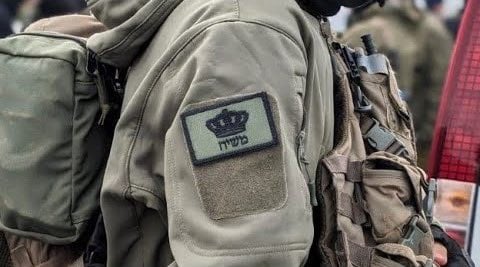
The soldiers defended the patch, saying that it is “worn by so many soldiers who are risking their lives in combat,” and accusing Benayahu of harboring hatred toward Judaism.
Others have voiced criticism over the presence of religious and political symbols in the military.
Writing for the left-wing magazine Telem in 2024, educator and social entrepreneur Itamar Kremer claimed that soldiers defying IDF regulations to don such patches — and the army’s apparent refusal to enforce those regulations — signified “an abandonment of the IDF’s ethical code.”
“The IDF’s code of ethics is supposed to guide the conduct of the individual soldier, the unit and the army as a whole, and is essential for allowing law-abiding people to function with the dissonance between the values they were raised on their entire lives and what they are required to do as soldiers,” he wrote.
According to HaForum Hahiloni (“The Secular Forum”), a nonprofit devoted to fighting what it regards as religious coercion, the rise in popularity of religious badges among IDF personnel reflects a broader trend of religious influence in the military, which is structurally and legally mandated to be a secular, national people’s army.
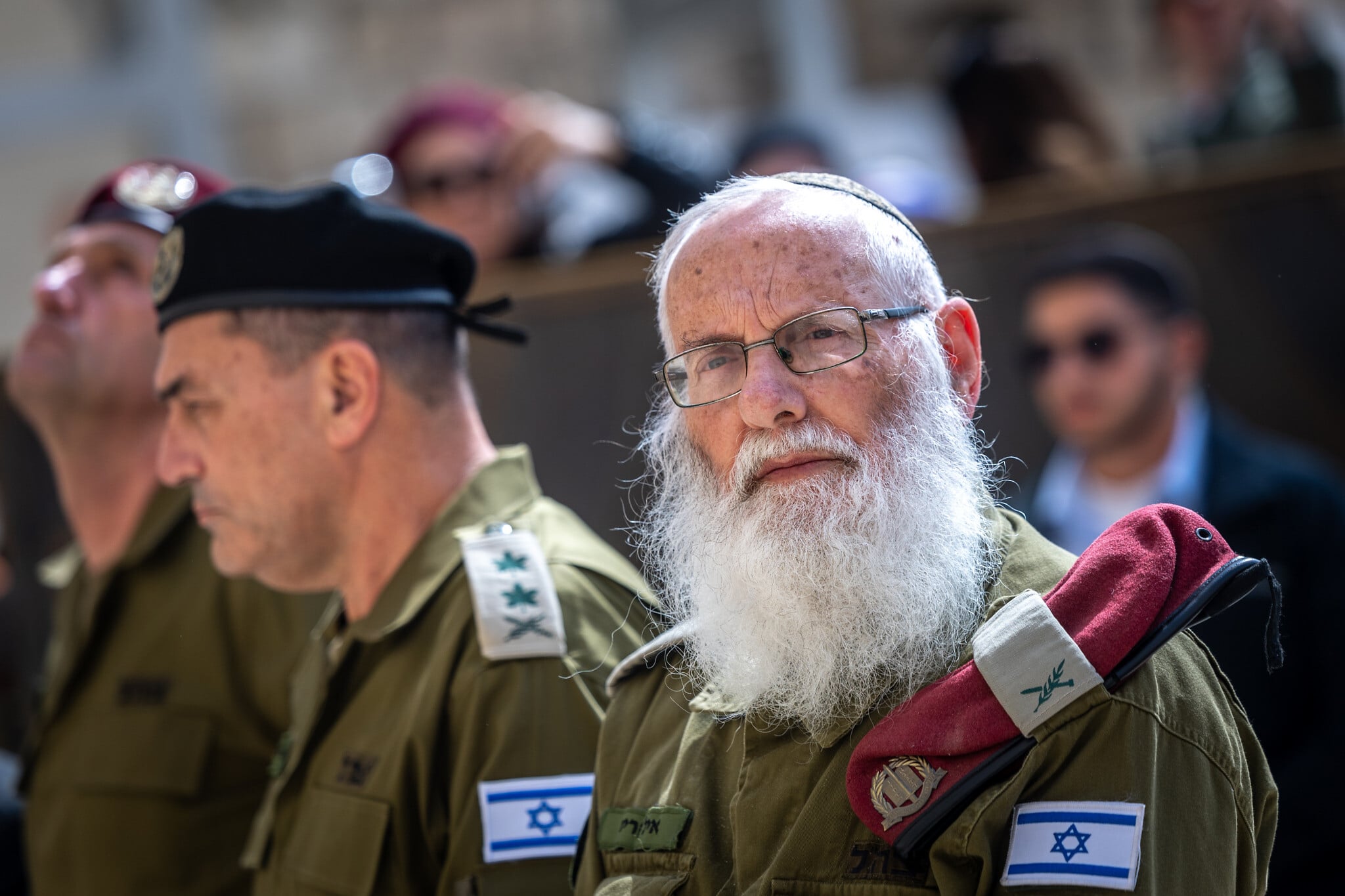
“The last war has increased the power of the military rabbinate to unreasonable levels, even against secular soldiers,” the forum told The Marker business daily in January. “Secular young men and women who enlist today will undergo Haredi messianic brainwashing during their service, will suffer religious coercion and will be discriminated against compared to religious soldiers.”
Since the war began on October 7, 2023, some soldiers have come out against military rabbis, saying they have overstepped their reach.
In a British documentary aired last November, one soldier recounted a conversation with her brigade rabbi about the justification for harsh measures in Gaza.
“One time, the brigade rabbi sat down next to me and spent half an hour explaining why we must be just like they [Hamas] were on October 7. That we must take revenge on all of them, including civilians. That we shouldn’t discriminate, and that this is the only way,” she said.
“We are in a general battle over the identity and character of the IDF, which is gradually becoming the army of God,” HaForum Hahiloni said.





The Times of Israel Community.