

 From the Liveblog of
Friday, April 3, 2026
From the Liveblog of
Friday, April 3, 2026
IDF to present plan to establish south Lebanon buffer zone to political leadership
 Add ToI as a Preferred Source on Google
Emanuel (Mannie) Fabian is The Times of Israel's military correspondent
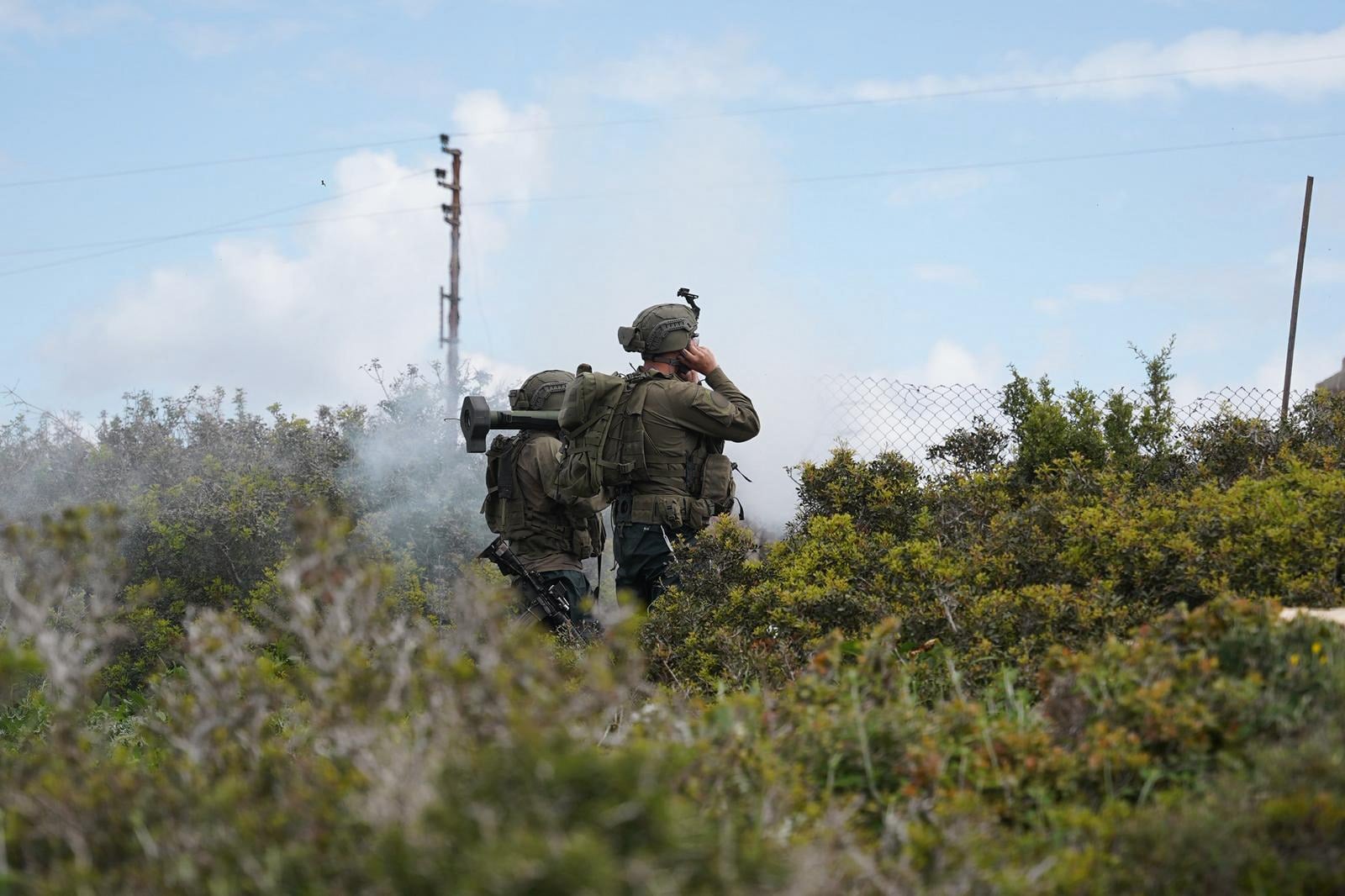
The Israeli military will be presenting to the political leadership its plan to establish a “security zone” in southern Lebanon, which will involve demolishing Lebanese villages near the border and setting up army posts several kilometers inside the country.
The IDF says the buffer zone plan is being coordinated with legal authorities and will soon be presented to the political leadership for approval.
Defense Minister Israel Katz has said the IDF will raze all buildings in the first line of villages, and civilians will not be allowed to return south of the Litani River until the Hezbollah threat is removed.
The military’s buffer zone plan involves clearing all villages within a few kilometers of the border, except for several Christian communities. The area would be cleared of Hezbollah infrastructure and establish forward army positions.
The IDF says most of these villages were cleared during the last ground offensive in late 2024. However, troops continue to find weapons and Hezbollah infrastructure in some areas. According to the military, some of it predates the war, while other elements were established during the 2024–2026 ceasefire.
The IDF says it aims to significantly weaken Hezbollah and remove the threat to northern residents, though officials acknowledge that fully disarming the group is unrealistic.
“Disarming the organization is not a required goal at the end of this campaign,” a military official says, despite previous statements by IDF Chief of Staff Lt. Gen. Eyal Zamir and Katz saying that Israel would not give up on disarming Hezbollah.
As a result, the military does not expect to completely halt Hezbollah rocket fire, as most launches originate north of the Litani River. However, short-range projectiles — of which Hezbollah has thousands — are now largely directed at Israeli forces in southern Lebanon rather than civilian communities.
Military officials also say Hezbollah is “deeply troubled” by Israel’s intention to continue its offensive even after the war in Iran ends.
The war in Iran remains the IDF’s primary focus, with Lebanon a secondary front. However, in the event of a ceasefire with Iran, the military is expected to shift most of its attention to Lebanon.





The Times of Israel Community.