

In unprecedented challenge, junior justice asks to jump line for Supreme Ct. president
Conservative Yosef Elron submits candidacy to replace Esther Hayut, discarding court tradition that has seen only the most senior justice preside over the nation’s highest bench
 Add ToI as a Preferred Source on Google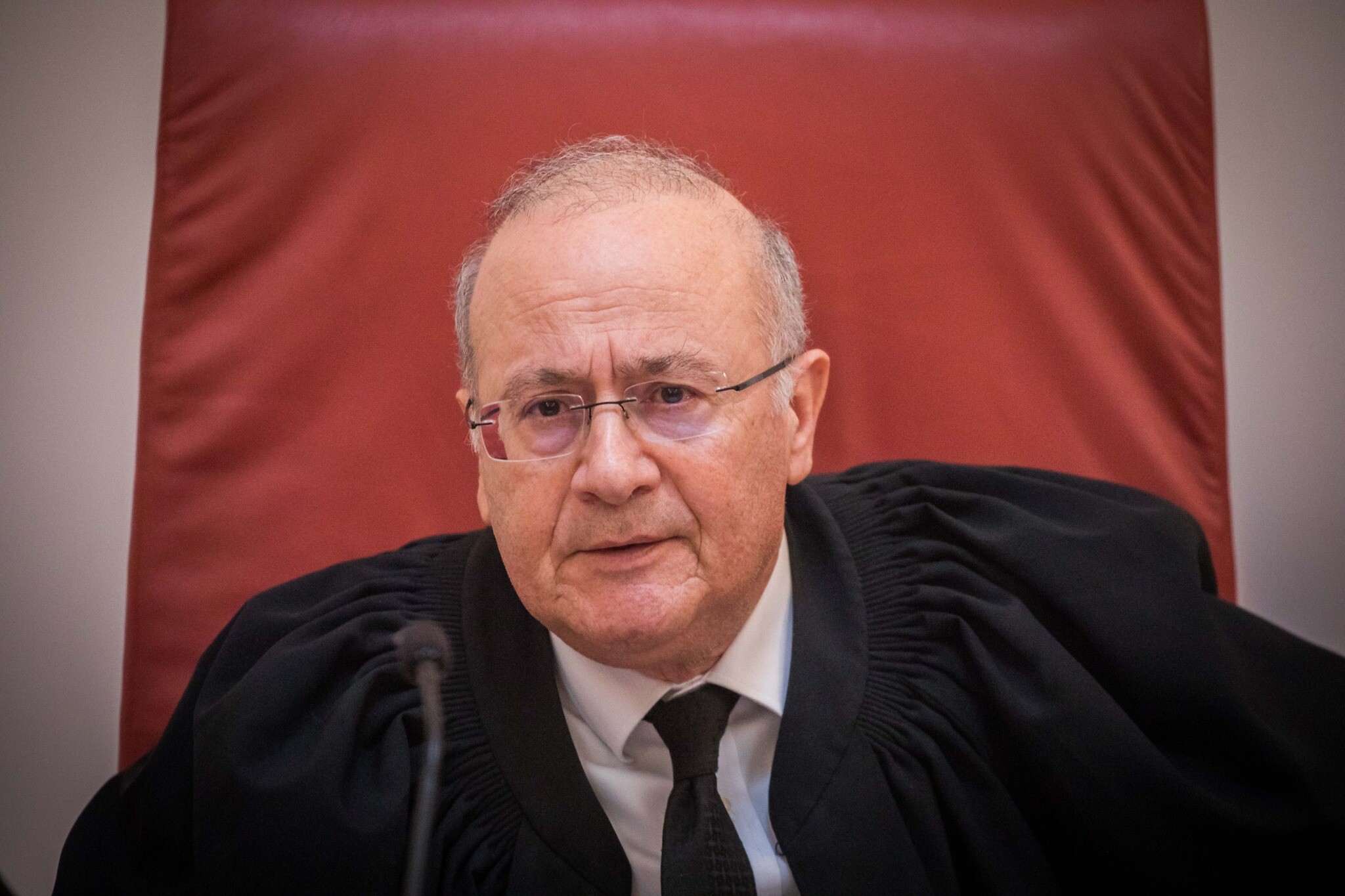
Supreme Court Justice Yosef Elron tossed his cap in the ring Wednesday to become Supreme Court president once current Chief Justice Esther Hayut retires, an unprecedented step that could upend the court’s tradition of appointing its most senior justice as head.
Elron’s request comes against the background of efforts by Justice Minister Yariv Levin to institute a new system for naming the president of the Supreme Court, a powerful post that wields major influence on key matters regarding the composition of Supreme Court benches and other issues.
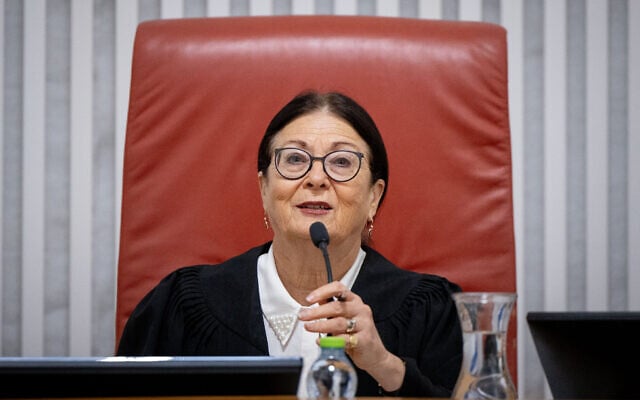
Until now, every president of the Supreme Court has been appointed through a seniority system, and no other justices have ever even submitted their names to the Judicial Selection Committee for the position. Justice Isaac Amit is next in line to become president after Hayut leaves the position on October 16, upon reaching the mandatory retirement age of 70.
The bid by Elron, submitted to Hayut and Levin, comes at a critical time for the court, which is facing efforts by Prime Minister Benjamin Netanyahu’s right-wing government to curtail judicial independence and make it easier for those in power to pack the courts with friendly judges. Elron, a conservative, is seen as less likely to be hostile to the government’s efforts than Amit, who like Hayut, is seen as a progressive.
Following Elron’s request, Hayut decided to remove Elron from the High Court panel set to hear petitions next month against Levin’s refusal to convene the Judicial Selection Committee.
Levin has so far refused to convene the panel as he seeks legislative changes to give the government greater control over judicial appointments. The Supreme Court president is one of those who sits on the selection committee, and they also pick the two other justices who sit on the panel.
The architect of the government’s judicial overhaul program, Levin has sought greater political control over judicial appointments to rebalance the court, in his words, by placing conservative justices on the bench, after years of alleged progressive activism. In its current text, the legislation remaking judicial selection would give the coalition the capacity to appoint almost all of Israel’s judges.
That bill, the most far-reaching and controversial measure in the judicial overhaul plan, was frozen in March under intense public pressure but has been submitted to the Knesset for potential final readings at short notice. Netanyahu has said he intends to revive the legislation, though not necessarily in its current form, in the next Knesset session, which begins in October.
In the committee’s current composition, Elron is seen to have little to no chance of being chosen as president, but his candidacy is likely to be cited by overhaul advocates as ostensible evidence of the need to remake the judicial selection process.
According to an unsourced report on Channel 12 news Wednesday night, Elron opposes the legislation in its current iteration.
The same news channel said it was unlikely that Elron had coordinated his bid for the court presidency with Levin, and that he was more likely motivated by lingering resentment at opposition to his candidacy for the court by Hayit and Amit when his name was first proposed to the Judicial Selection Committee during Ayelet Shaked’s term as minister of justice.
His appointment to the bench was ultimately unanimously approved in February 2017, and Elron, the child of Iraqi Jewish immigrants, has served on the Supreme Court since that October, joining eight years after Amit.
Elron, who turns 68 in September, was the only dissenting justice out of 11 on a January ruling that the appointment of Shas leader Aryeh Deri as interior and health minister was “unreasonable in the extreme” due to his criminal convictions.
Among the various rights that would be granted Elron if he is named Supreme Court president is determining how many justices will hear a petition or case, as well as naming the judges.
Although most cases in the Supreme Court are allocated via an automatic system, the president can step in to make a specific choice, said Guy Lurie, an expert at the Israel Democracy Institute.
The president also chooses the panel for a disciplinary hearing against judges and can disqualify a judge from a panel if they think there is a conflict of interests. And the court chief handles various issues regarding the day-to-day managing of courts, including choosing which judges are appointed to various ancillary roles, Lurie said.
“The president has many many powers,” explained Lurie. “The president is considered the leader of the judiciary.”
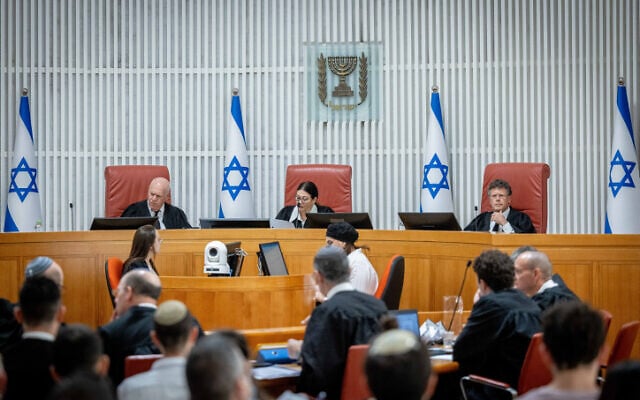
Under current law, the president of the Supreme Court is picked from among its sitting justices by the Judicial Selection Committee — which is made up of three justices, three coalition politicians, an opposition MK and two Bar Association members.
If the committee does not convene to appoint a judge as president before Hayut bows out in October, her powers will automatically transfer to Justice Uzi Vogelman, who is the court’s vice president.
While Vogelman is still not viewed as the ideal candidate by the coalition, Haaretz reported in May that he plans to retire in about a year, enough time for legislators backing Levin to push through the changes.
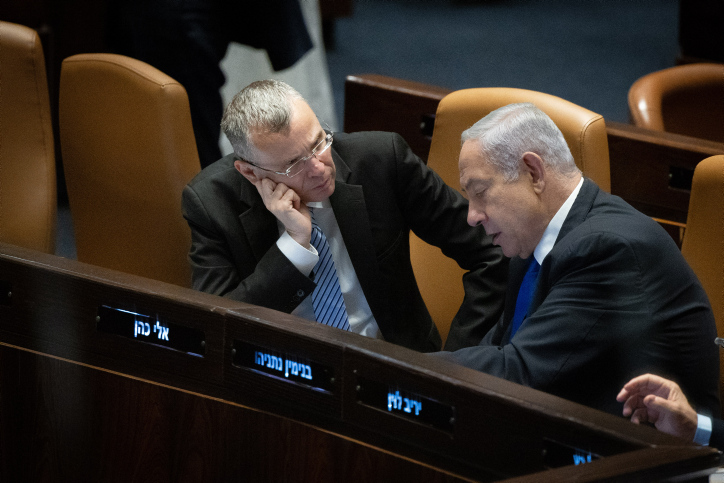
Levin reportedly plans to scrap more than just the seniority tradition and the makeup of the panel, seeking to remake the mechanism for choosing the president, including opening up the possibility that the office could be held by someone not already sitting on the bench.
In January, Channel 13 news said Levin had prepared a legal memorandum according to which “a president or vice president of the Supreme Court will be appointed in the same way that justices of the Supreme Court are appointed, whether they first served as justices of the Supreme Court or not.”
The overhaul has met with months of mass protests from opponents who say the changes will sap the judiciary of its powers to act as a check and balance to to the governing majority.







The Times of Israel Community.