

Iran impedes citizens from hajj amid spat with Saudis
After hundreds of Iranians killed in 2015 Mecca stampede, Tehran demanded additional security for pilgrims
 Add ToI as a Preferred Source on Google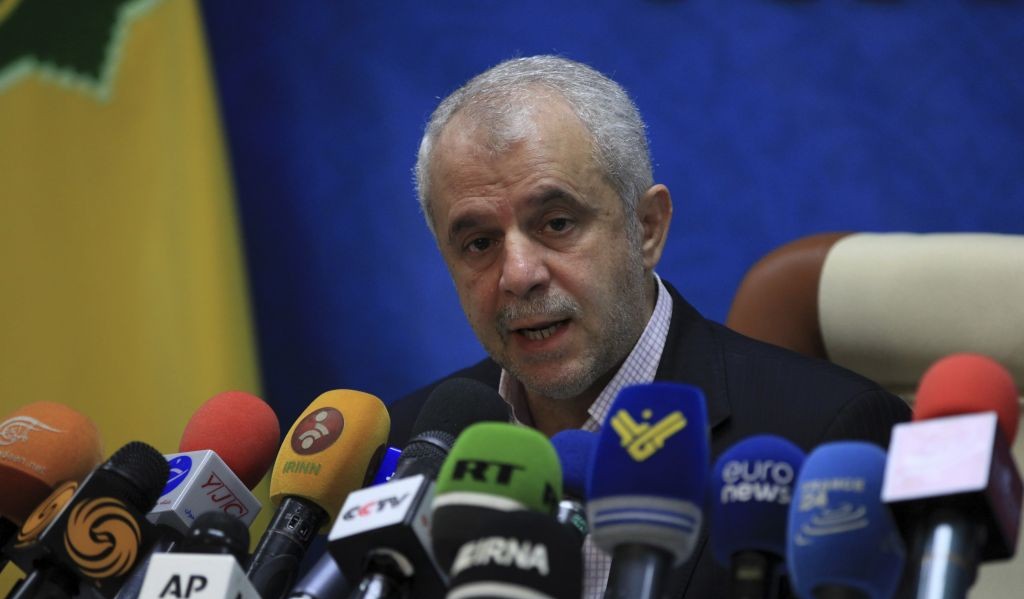
TEHRAN, Iran (AP) — Iran said Thursday it won’t facilitate sending pilgrims to the hajj this year because Saudi Arabia is allegedly failing to provide adequate security.
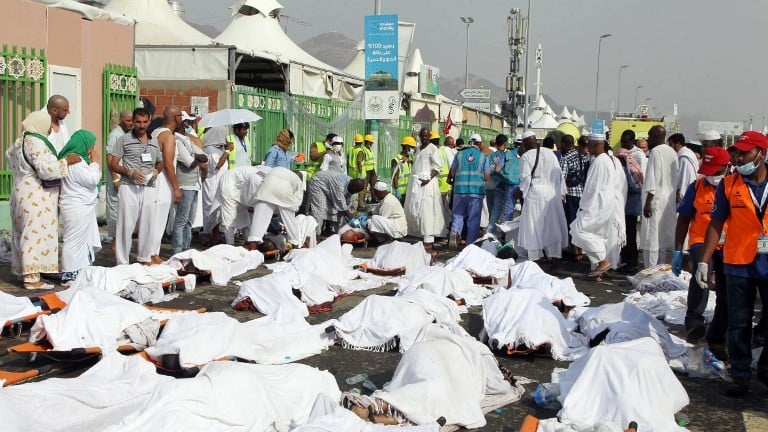
The hajj has become a contentious issue between the two Mideast rivals, particularly after last year’s deadly crush of pilgrims that killed at least 2,426 people, according to a count by The Associated Press. Tehran has said 464 of the dead were Iranian.
Iran has demanded additional security guarantees for pilgrims, while the Saudis have balked at allowing Iranian pilgrims to perform a Shiite ritual that often includes protests against the West. A second round of talks in Saudi Arabia this week failed to resolve the dispute.
The two sides needed to come to terms on involvement in part to arrange pilgrims’ visas after they severed diplomatic relations earlier this year.
Saeed Ohadi, head of Iran’s Hajj and Pilgrimage Organization, said Thursday that “Saudi Arabia knows it must pay a heavy price for depriving pilgrims” from Iran of the chance to perform the hajj, considered a duty for every able-bodied Muslim.
He also said Riyadh sought to restrict the number of makeshift clinics Iran wanted to set up for its pilgrims and the amount of medicines it wanted to supply them with.
After the hajj disaster, tensions between Iran and Saudi Arabia escalated further after Riyadh executed a prominent Saudi Shiite cleric convicted of a string of charges, including sowing dissent in the majority Sunni kingdom. This sparked widespread protests in Shiite-led Iran, which views itself as the protector of Shiites around the world. Iranian protesters stormed Saudi diplomatic posts and Riyadh responded by cutting diplomatic relations with Tehran.
The two countries also support opposing sides in Syria’s civil war and the ongoing conflict in Yemen, the Arab world’s poorest country.







The Times of Israel Community.