

Iran reimposes vast COVID restrictions as Delta variant spreads
Islamic Republic orders closures of nonessential businesses in 275 cities, including Tehran, and introduces travel ban between towns with high infection rates
 Add ToI as a Preferred Source on Google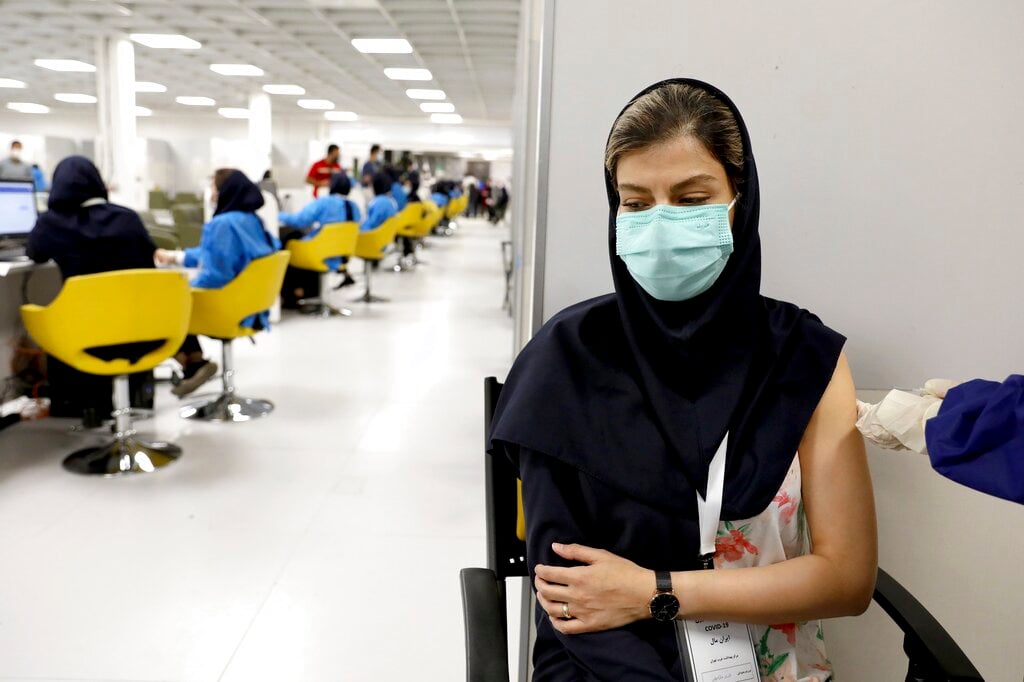
TEHRAN, Iran — Iran announced Sunday it was reimposing coronavirus restrictions on major cities, as the spread of the highly contagious Delta variant spurs fears of another devastating surge in the nation.
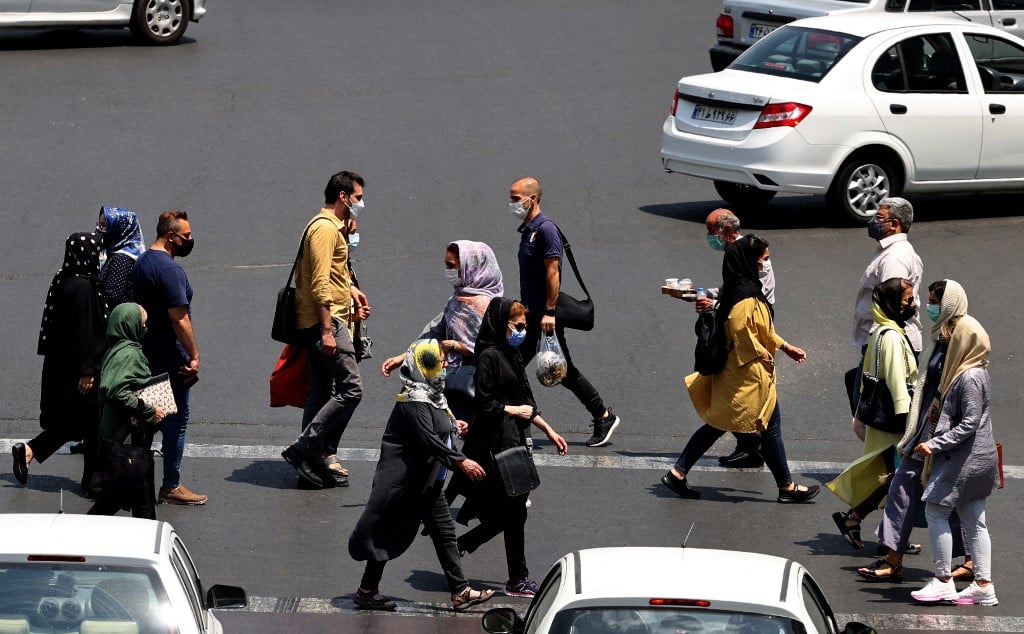
After over a year of battling the worst virus outbreak in the Middle East, Iran ordered the closures of nonessential businesses in 275 cities, including the capital, Tehran.
The shutdown of all public parks, restaurants, dessert shops, beauty salons, malls and bookstores applies to the country’s “red” and “orange” zones, or municipalities ranked as having an elevated risk of COVID-19.
The government said it was also imposing a travel ban between cities with high infection rates.
Iran’s new restrictions are designed to slow the spread of the highly transmissible Delta variant first detected in India, which on Saturday President Hassan Rouhani warned was driving a potential “fifth wave” of infections in the country. Reports of new cases have risen steadily in recent weeks, nearly doubling from mid-June to early July.
The country has reported a total of 3.2 million infections and 84,627 deaths — the highest toll in the region.
The spike comes as Iran’s vaccine rollout lags, with less than 2 percent of the population of 84 million fully vaccinated, according to online scientific publication Our World in Data.
Iran says it has administered some 6.3 million doses so far. Those shots have mainly come from abroad, including from COVAX, an international initiative meant to distribute vaccines to low- and middle-income countries. Iran also has imported Chinese state-backed Sinopharm vaccines and Russia’s Sputnik V vaccine.
With foreign vaccines still in short supply, the country has accelerated efforts to develop its own shots. Last month, authorities granted emergency use authorization to the domestically produced COVIran Barekat shot, without publishing data on its safety or efficacy. Iran’s supreme leader Ayatollah Ali Khamenei, who previously warned against the import of American and British vaccines amid deep-rooted distrust of the West, received the homemade vaccine on state TV and encouraged the public to follow suit.







The Times of Israel Community.