

Israel and Syria said to resume talks after ceasefire ends Sweida violence
Israeli delegation said set to fly to Baku; Jerusalem reportedly not committing to ending airstrikes, wants demilitarized zone on border and a permanent presence in buffer zone
 Add ToI as a Preferred Source on Google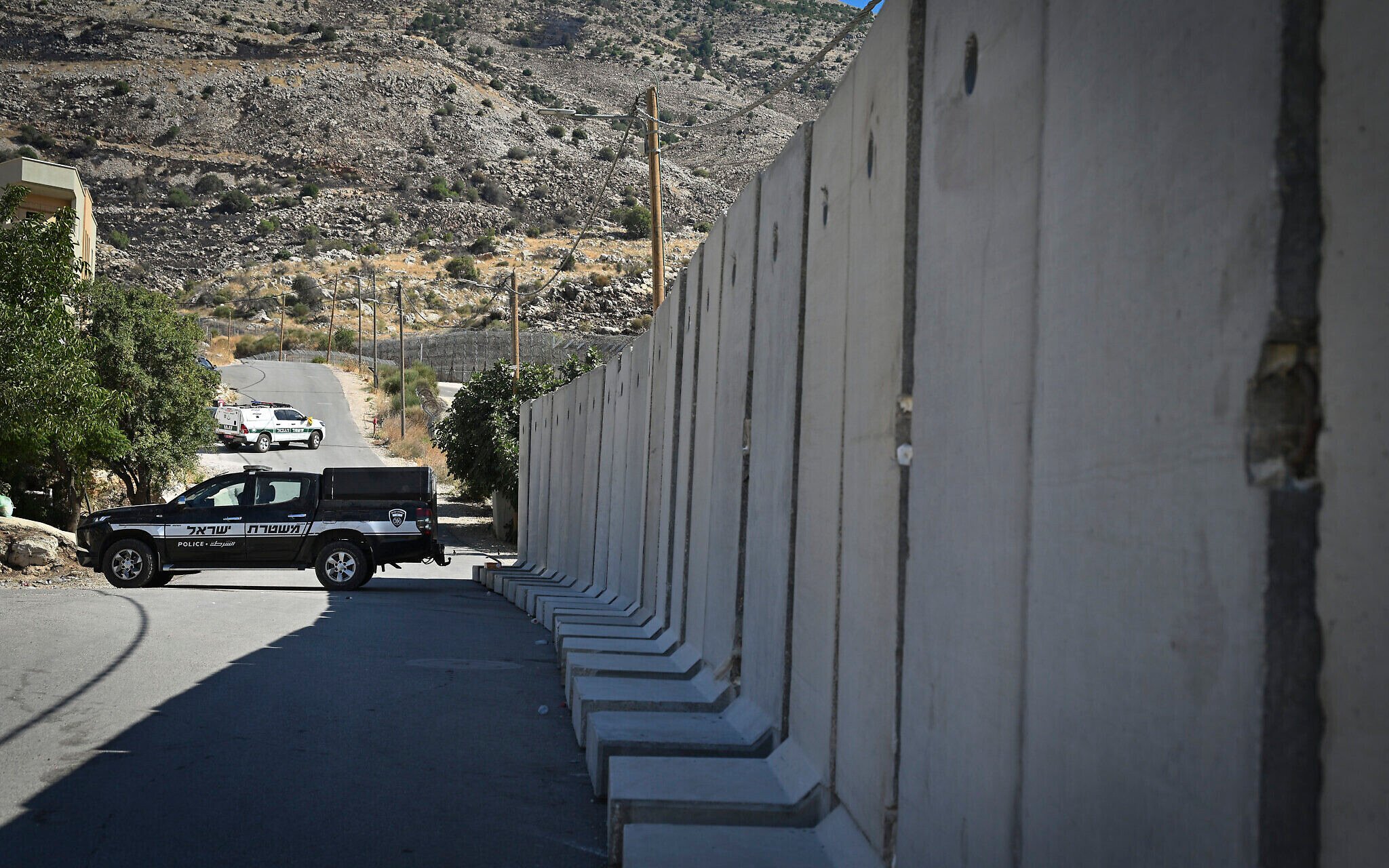
Israel and Syria have resumed dialogue on security matters in the wake of deadly sectarian clashes that saw the IDF strike in Damascus and in Syria’s southern Sweida province last week, Saudi media reported Tuesday.
According to the Saudi channel Al-Hadath, the talks are being mediated by Turkey and the United States, and an Israeli delegation is expected to travel soon to Baku, Azerbaijan, to finalize understandings with Syria.
However, the report also said Israel is not currently committing to halt its strikes in Syria and is demanding a demilitarized zone along the border, as well as a permanent presence in the buffer zone that the military seized after the fall of Bashar al-Assad’s regime in December.
There was no immediate comment from Israel.
The Axios news site, citing unnamed sources, similarly reported that US special envoy to Syria Tom Barrack would lead a meeting with senior officials from Israel and Syria on Thursday.
It was unclear where the meeting was due to take place, but sources told Axios that it was expected to focus on security arrangements in southern Syria and increasing coordination and communication.
The Prime Minister’s Office did not respond to the report.
Prior to the strikes last week, Israel and Syria were in “advanced talks” for a deal to halt hostilities, with the Trump administration also pushing the two sides toward full normalization of diplomatic relations.
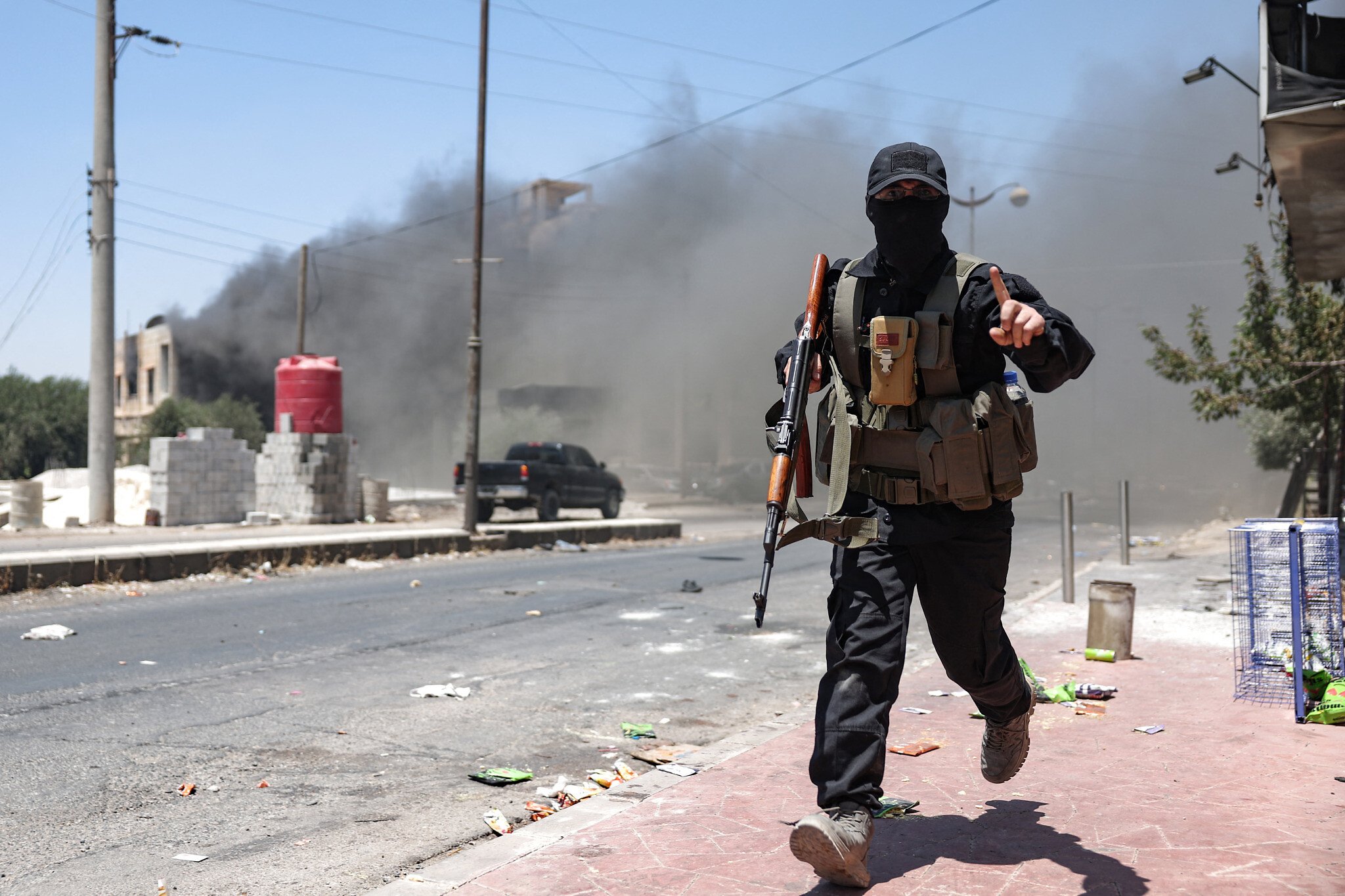
Israel intervened in Syrian sectarian conflict earlier this month on behalf of the Druze, who are seen as a loyal minority within Israel and often serve in its military.
Israel accused Syria’s interim President Ahmed al-Sharaa’s forces of complicity in deadly attacks by Bedouin tribes against the minority group in the country’s southern Sweida governorate. The week of fighting appeared to end with a ceasefire negotiated by Washington and announced on Saturday.
On Monday, White House press secretary Karoline Leavitt said Trump was “caught off guard” by the Israeli strikes in Syria.
The comment came after several US officials were anonymously quoted in the Axios news site expressing their frustration with Prime Minister Benjamin Netanyahu, arguing that Israeli strikes on Syrian government forces risked toppling the fledgling regime that Washington is trying to support in an effort to stabilize the country.
Barrack on Monday also criticized Israel’s intervention in Syria, saying that it was poorly timed and complicated efforts to stabilize the region.
Syria and Israel have been opposing sides of conflicts in the Middle East for decades, including direct and often bitter combat.
However, after Assad, Syria’s Iran-backed dictator, fled the country in December, the new Islamist rulers in Damascus are eager to present a moderate face to the West.
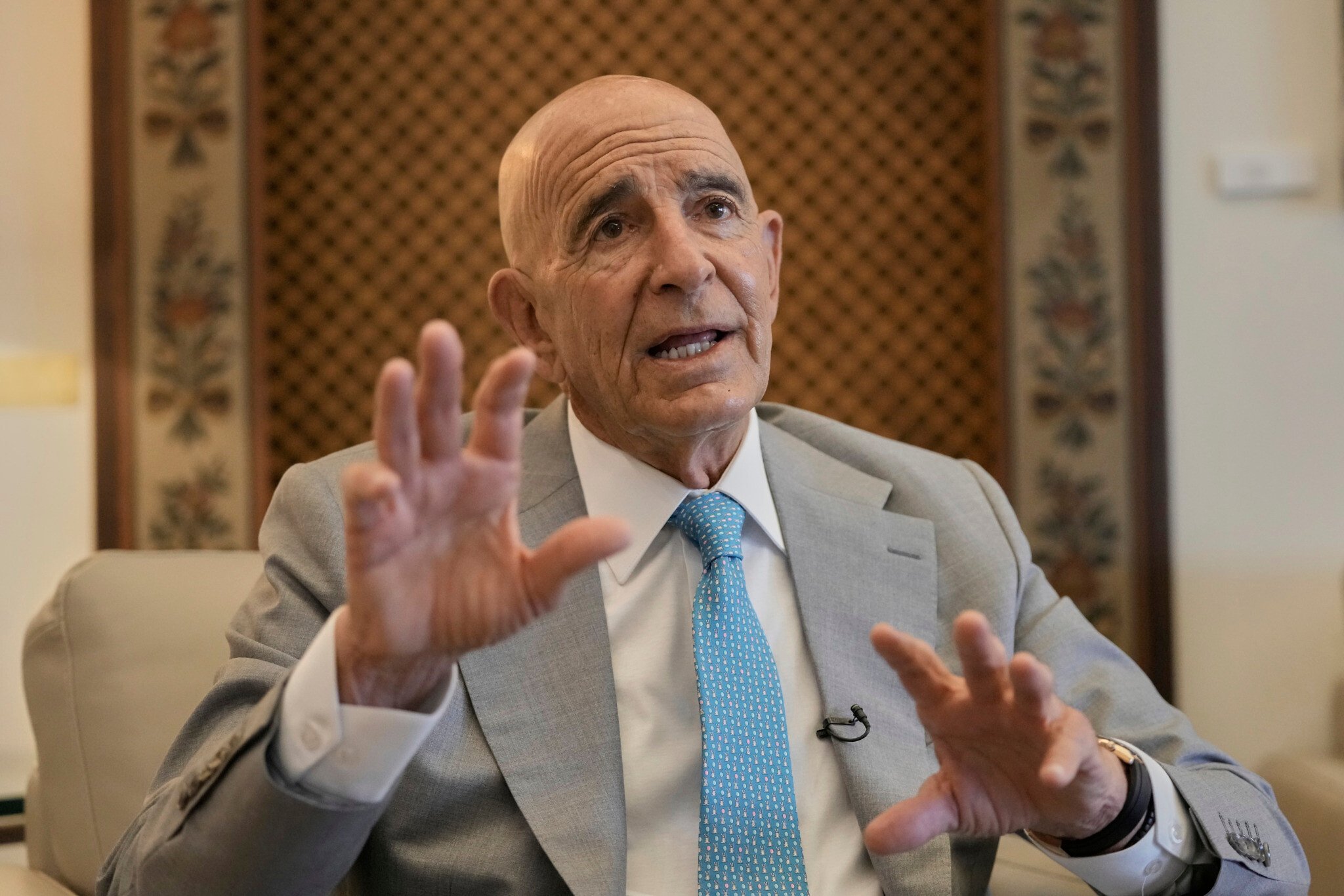
To that end, Barrack also had some suggestions for Sharaa, and said on Tuesday that he had urged him to recalibrate his policies and embrace a more inclusive approach after the latest bloodshed, or risk losing international support and fragmenting the country.
Speaking from Beirut, Barrack said he advised Saraa in private discussions to revisit elements of the pre-war army structure, scale back Islamist indoctrination and seek regional security assistance.
He told Reuters that without swift change, Sharaa is at risk of losing the momentum that once propelled him to power.
He said the new government should consider being “more inclusive quicker” when it comes to integrating minorities into the ruling structure.
At the same time, however, he denied that Syrian security forces had committed violence against Druze civilians last week, claiming that Islamic State group members may have been disguised in government uniforms, and that social media videos are easily doctored and therefore unreliable.
“The Syrian troops haven’t gone into the city. These atrocities that are happening are not happening by the Syrian regime troops. They’re not even in the city because they agreed with Israel that they would not go in,” he said.
Barrack said his message to Israel was to have dialogue to alleviate concerns about Syria’s new Sunni leaders and that the US could play the role of an “honest intermediary” to help resolve any concerns.
Agencies contributed to this report.







The Times of Israel Community.