

Israel hopes Gaza ceasefire will bring end to wartime international isolation
2 in 3 Israelis worry about country’s standing, after global outcry over humanitarian toll of campaign against Hamas; as fighting stops, officials hope reputation can bounce back
 Add ToI as a Preferred Source on Google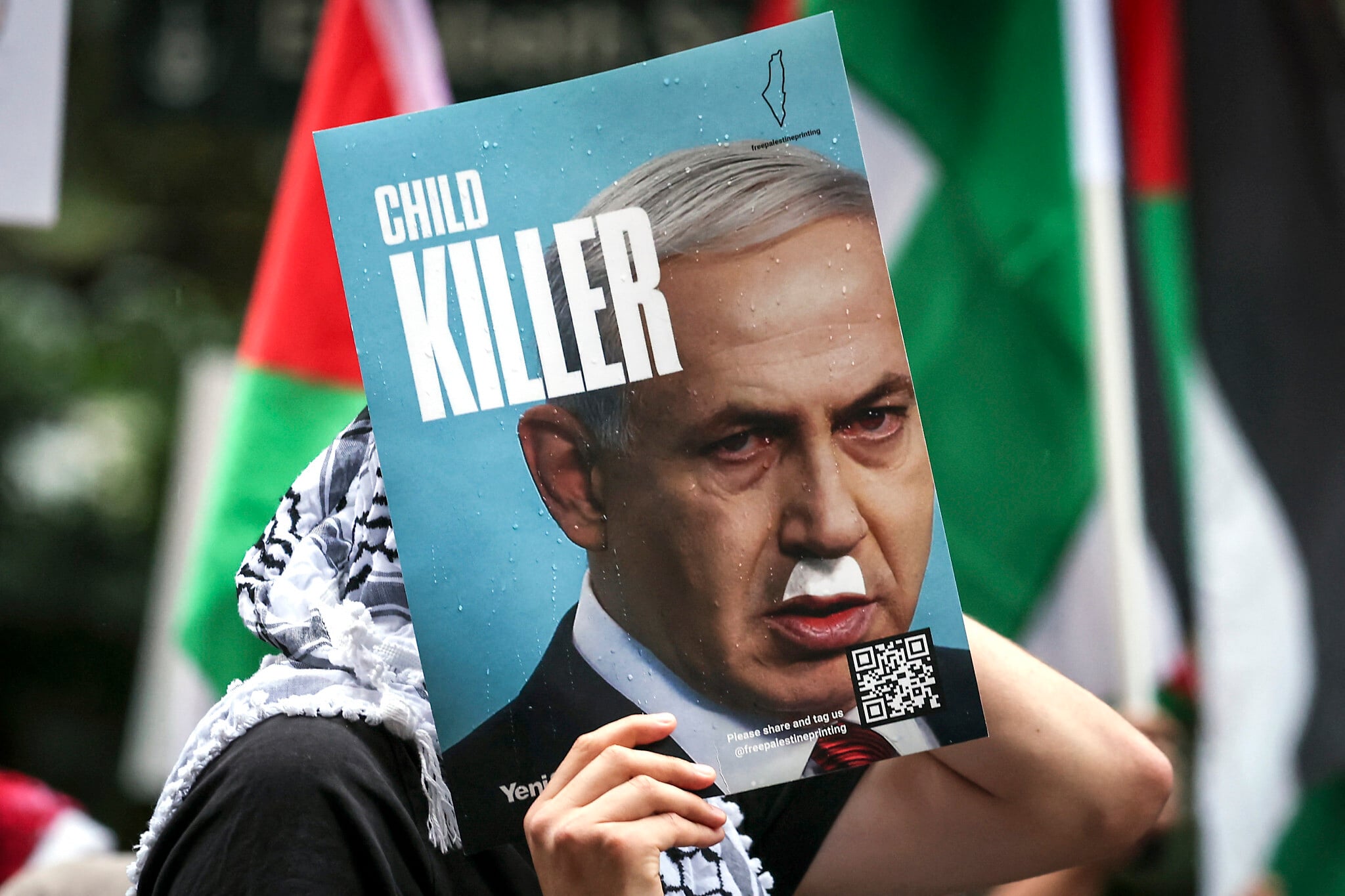
The ceasefire in Gaza is raising hopes among many in Israel that the country can begin to repair its image abroad, after months of deepening isolation due to the toll of the two-year conflict.
Public opinion in the West has shifted significantly since the Hamas-led October 7, 2023, attack on Israel, in which terrorists killed some 1,200 people and took 251 hostages, triggered the subsequent war in the Strip.
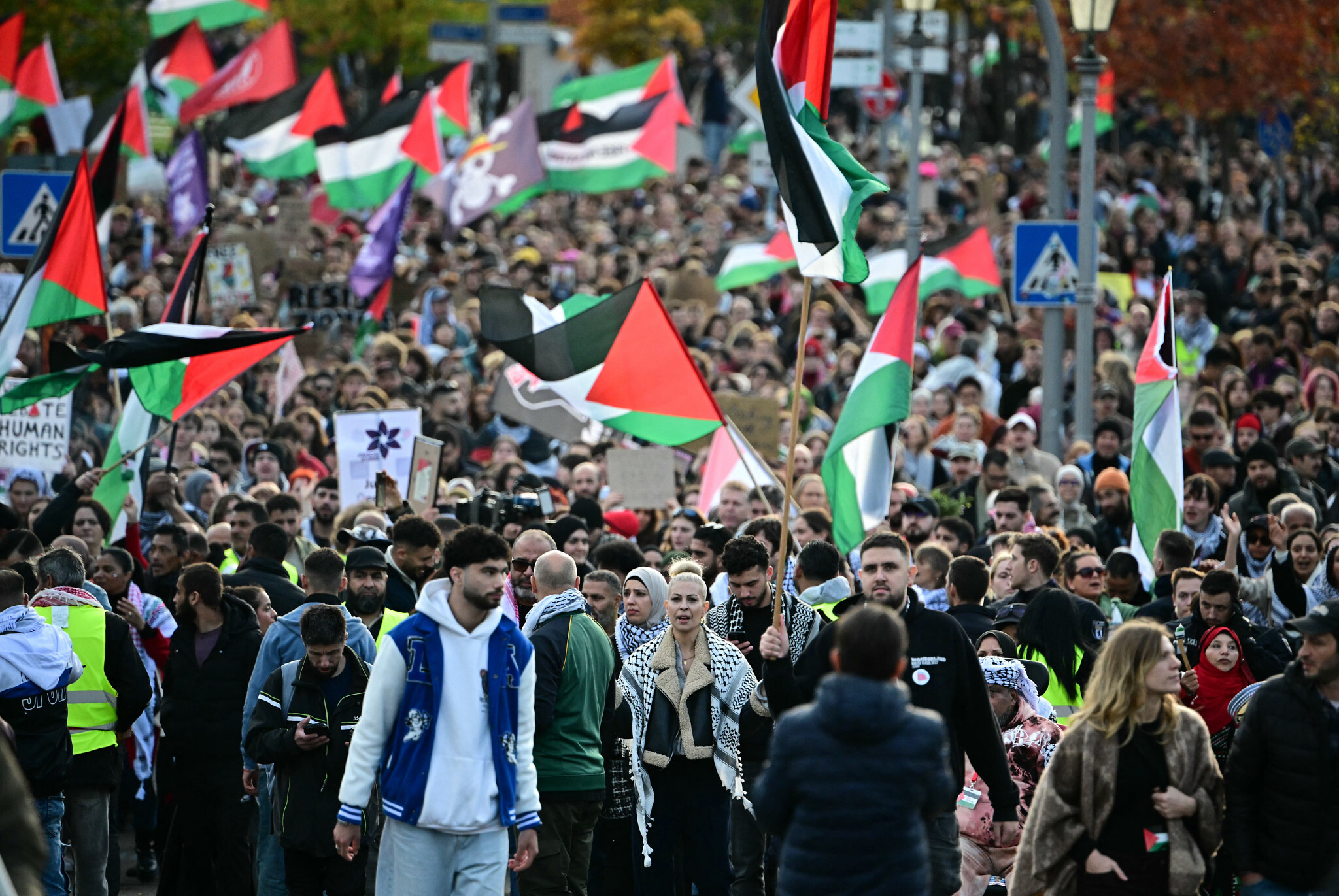
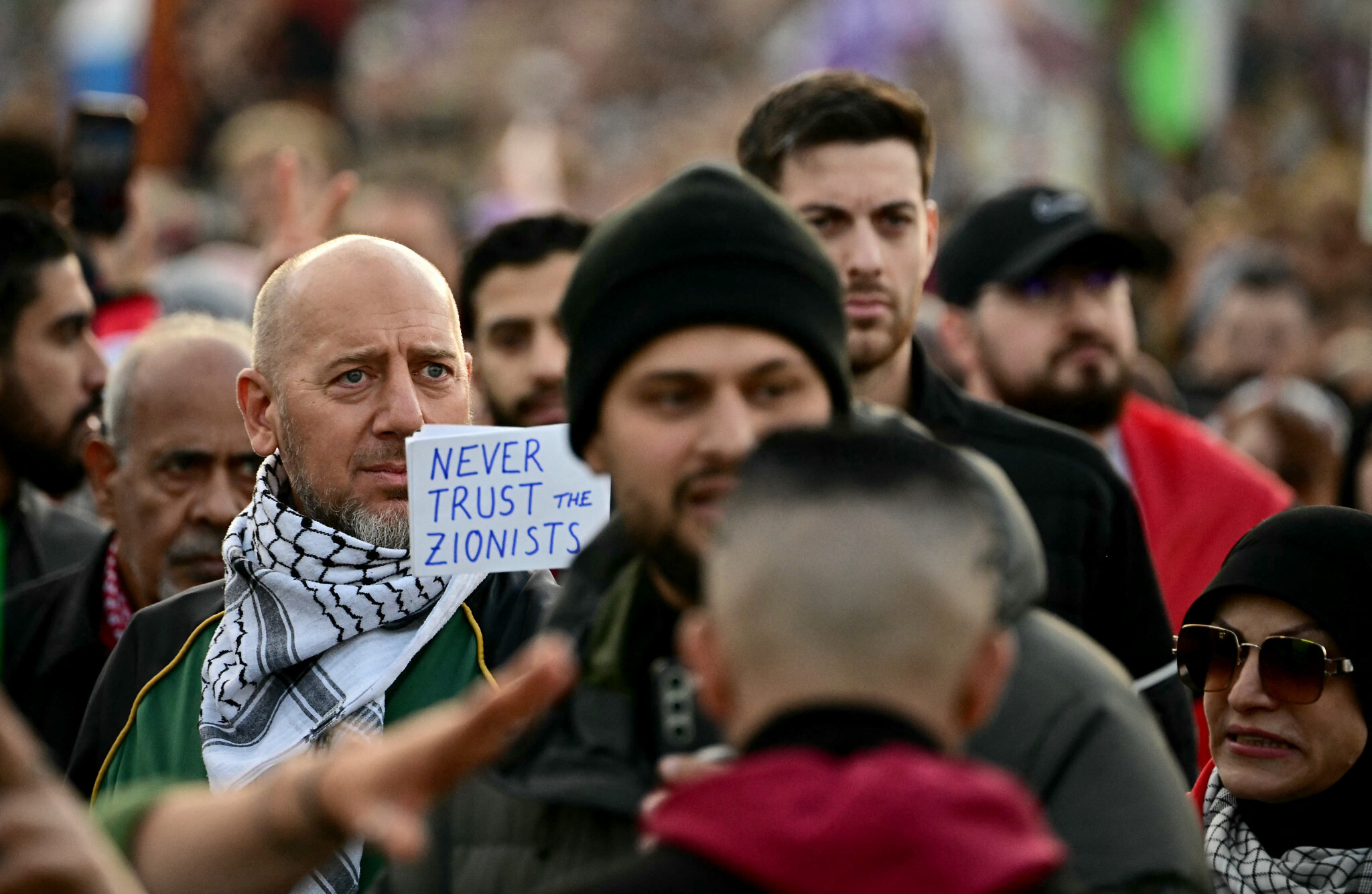
Amid outcry about offensive’s humanitarian cost, several Western nations have publicly recognized a Palestinian state in recent months – despite staunch opposition from Prime Minister Benjamin Netanyahu’s government and the United States.
Foreign polls have shown weakening support for Israel’s military campaign, even in its most important ally, the United States.
More than 67,000 Palestinians have been killed in Gaza, according to the enclave’s Hamas-run health authorities, which don’t distinguish between civilians and combatants, and whose toll is unconfirmed. Israel estimates it has killed some 22,000 combatants in Gaza as of August, as well as some 1,600 inside Israel on and immediately following the October 7 invasion.
Reuters spoke to 13 current and former Israeli officials and experts who acknowledged that the war has had a major reputational cost. Several expressed hope that the release this week of the remaining living hostages and some bodies of abductees in exchange for Palestinian terror convicts and detainees as part of a first phase of the Gaza accord could start the process of reviving the Jewish state’s reputation.
“This could help Israel regain some of the empathy and legitimacy it lost during the war,” one Israeli official, who spoke on condition of anonymity, said this week.
Peter Lerner, a former IDF international spokesperson, said that would require policy action on the part of Netanyahu’s government, rather than just words.
He called for “a clear, credible commitment to peace, protection of innocent lives, respect for international law, and a serious investment in regional and humanitarian partnerships.”
Netanyahu’s office did not respond to a request for comment. The prime minister did not attend a summit in Egypt on Monday, meant to discuss steps towards a permanent end to the Gaza war, citing the timing’s proximity to the beginning of the Jewish holiday of Simhat Torah.
39 percent of Americans said Israel was going too far in Gaza
A study published on October 3 by the Pew Research Center — a Washington-based think tank — found that 39 percent of Americans said Israel was going too far in its military operation against Hamas, up from 31% a year ago and 27% in late 2023.
Foreign Minister Gideon Sa’ar has sounded the alarm for months in closed-door meetings with Netanyahu and other ministers on the diplomatic repercussions of the war, according to two officials present at the meetings and one official briefed on the matter.
The ministry did not respond to requests for comment.

Netanyahu startled many last month when he said Israel would need to become more self-reliant in the coming years because of the international backlash against the war. The prime minister, who has repeatedly ruled out the creation of a Palestinian state, has in the past vowed to prosecute the war until Hamas is completely destroyed.
“Improving reputation takes a long time of rebuilding trust,” said one Western European diplomat, adding that while the ceasefire was a “good first step… many more will have to follow.”
2 in 3 Israelis worry about international isolation
More than 66% of Israelis were worried about the prospect of Israel’s possible international isolation, according to an August poll by the Institute for National Security Studies, a Tel Aviv-based think tank, compared to 55% in July 2024.
In August, a global hunger monitor claimed Gaza City and surrounding areas were suffering from famine, a conclusion Israel called a “modern blood libel” and which Israeli experts have argued skews the facts.
Then, a United Nations Commission of Inquiry said last month that Israel has committed genocide in Gaza, a charge the Israeli government has repeatedly rejected, saying its war is on Hamas and not the Palestinian people, and pointing to, among other things, evacuation warnings before strikes, using precision munitions, and the entry of humanitarian aid.
Some former officials also described a lack of cohesive messaging and resources. Wartime communication efforts remained split among different departments, they said, while the national public diplomacy directorate lacked resources, and some far-right ministers publicly contradicted other officials.
Some of the people familiar with the communication efforts said failures by Netanyahu’s government to engage diplomatically with concerns in the West about the humanitarian impact of the war in Gaza had worsened Israel’s isolation.
Richard Hecht, a former IDF international spokesperson, said he believes Israel, whose military has emerged as the main source of information about the Gaza operation, needed to establish an effective civilian government organization for managing international communication.
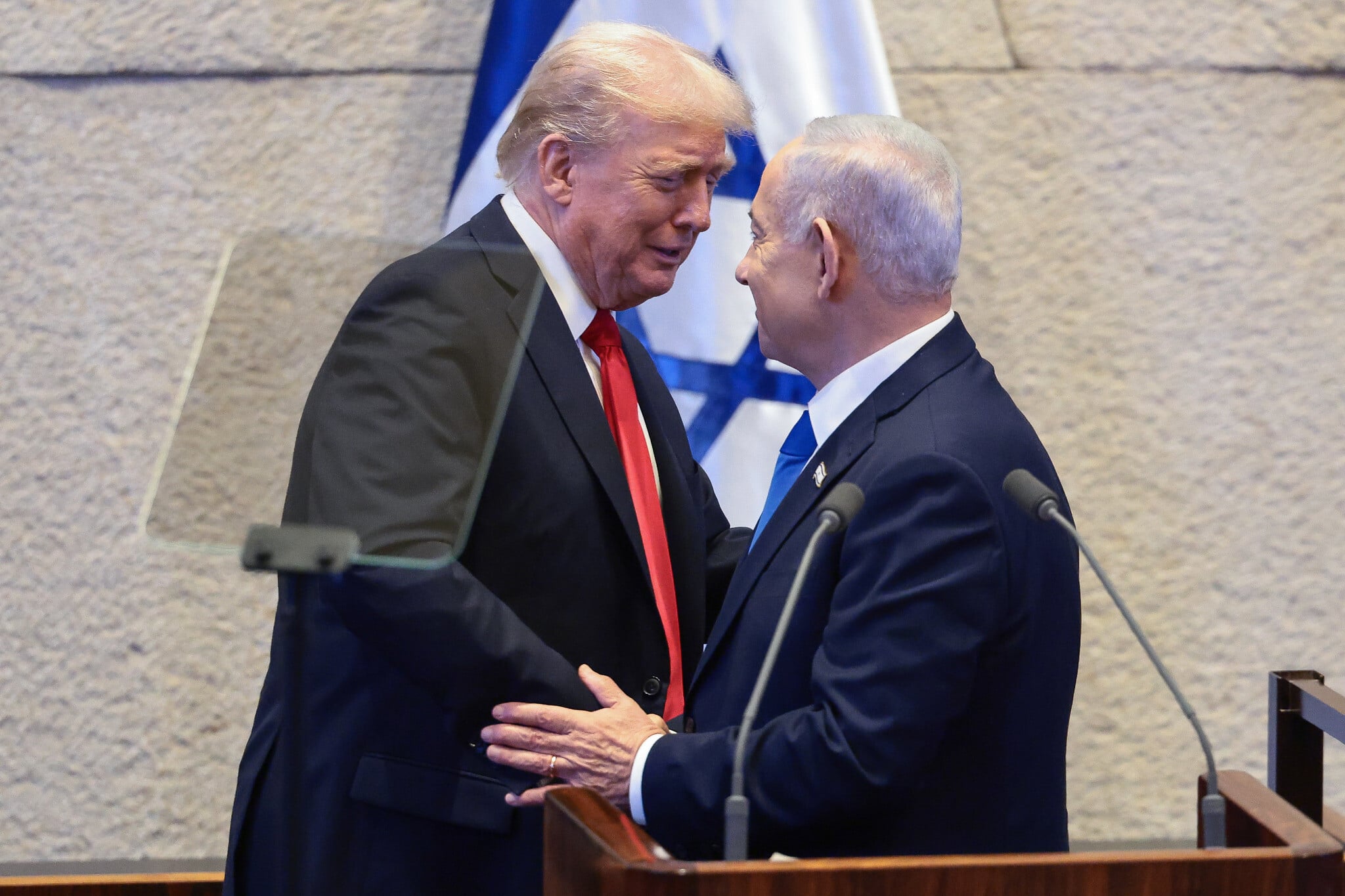
The Gaza ceasefire agreement was mediated by the United States along with Egypt, Qatar and Turkey. It is considered the first phase in a larger plan, which calls for the creation of an international body — a “Board of Peace” led by Trump — to oversee the next stages of a transition to post-Hamas governance in Gaza.
Though Trump told the Knesset on Monday that a “long nightmare” for both Israelis and Palestinians was over, significant obstacles remain to a resolution of the conflict, including the creation of a Palestinian technocrat administration to run Gaza and the demilitarization of the Strip.
The ceasefire deal remains fragile: The IDF, which still controls around half of Gaza, opened fire on Tuesday on Palestinians it said were approaching its forces.
Pnina Sharvit Baruch, who directs a research program on Israel and global powers at the Institute for National Security Studies, called for Jerusalem to build on US President Donald Trump’s 20-point plan to promote regional partnerships, stability in Gaza, and renewed engagement with moderate Arab states.
“Such a course would not only strengthen regional security but also help Israel rebuild its international standing and credibility,” she said.
Former ambassador: To fix reputation, Israel needs elections
Israel’s relations with the few Arab states it has formal ties with have been strained by the war in Gaza — including the United Arab Emirates, which established diplomatic relations with Israel five years ago under the US-brokered Abraham Accords during Trump’s first term.
Some experts questioned whether the current hard-right government – which relies on the support of religious ultranationalist parties – would be able to build bridges with neighboring countries and the Palestinian leadership.
Emmanuel Nahshon, a former ambassador who served as the Foreign Ministry’s deputy director general for public diplomacy in the first months of the war, said he believes Netanyahu did not travel to the summit in Egypt to avoid discussing a two-state solution to the conflict.
“I think the first step to improve Israel’s reputation in the world would be elections and the selection of a new government that will embark on a new path, which would include learning lessons from the war,” he added.










The Times of Israel Community.