

Israel says preparing to open Rafah crossing, with date to be announced later
Defense Ministry says arrangements pending with Egypt, stresses gateway for people, not aid, which enters via other routes
 Add ToI as a Preferred Source on Google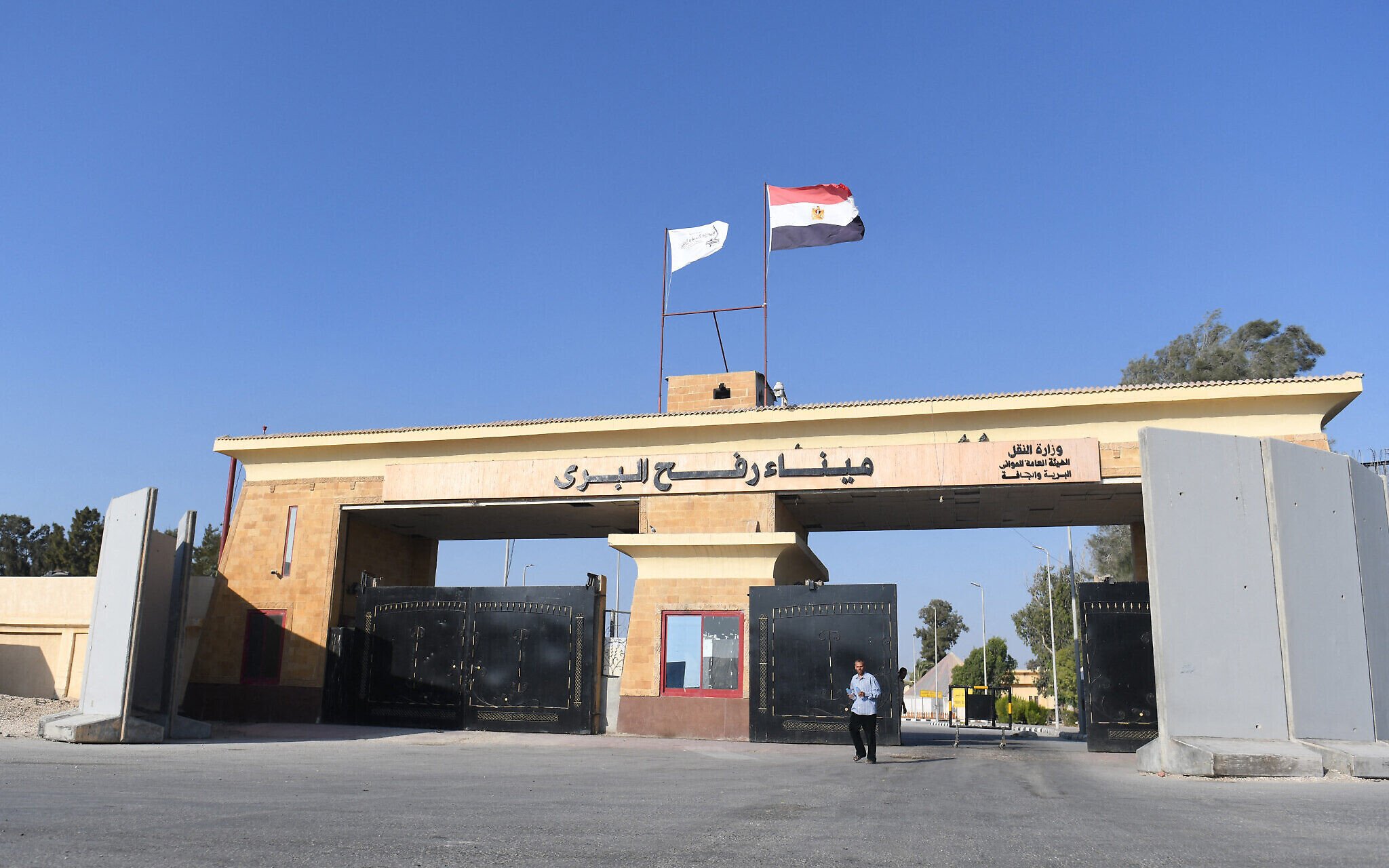
The Defense Ministry said on Thursday that preparations were ongoing with Egypt to open the Rafah border crossing in the southern Gaza Strip for the movement of people, with the date to be announced at a later stage, but stressed that aid would not pass through the major gateway.
Israel had earlier warned it may keep Rafah shut and reduce aid into the Palestinian enclave, saying the Hamas terror group was returning the bodies of dead hostages too slowly, underlining the risks to a ceasefire that halted two years of devastating war and saw all living hostages held by Hamas released.
A schedule for opening the crossing to pedestrian traffic will be announced “once the Israeli side, together with the Egyptian side, completes the necessary preparations for the crossing’s opening,” said a statement from COGAT, the Defense Ministry body that oversees civil affairs in the Palestinian territories.
COGAT said humanitarian aid continued to enter the territory via the Kerem Shalom crossing with Israel, and at other crossings.
“It should be emphasized that humanitarian aid will not pass through the Rafah crossing. This was never agreed upon at any stage,” COGAT said in its statement.
Aid from Gaza coming via Egypt generally waits at the Rafah crossing before being diverted to the Nitzana or Kerem Shalom crossings from Israel, since Rafah has been heavily damaged. Before the war, Rafah was the primary conduit for trucked aid deliveries to Gaza.
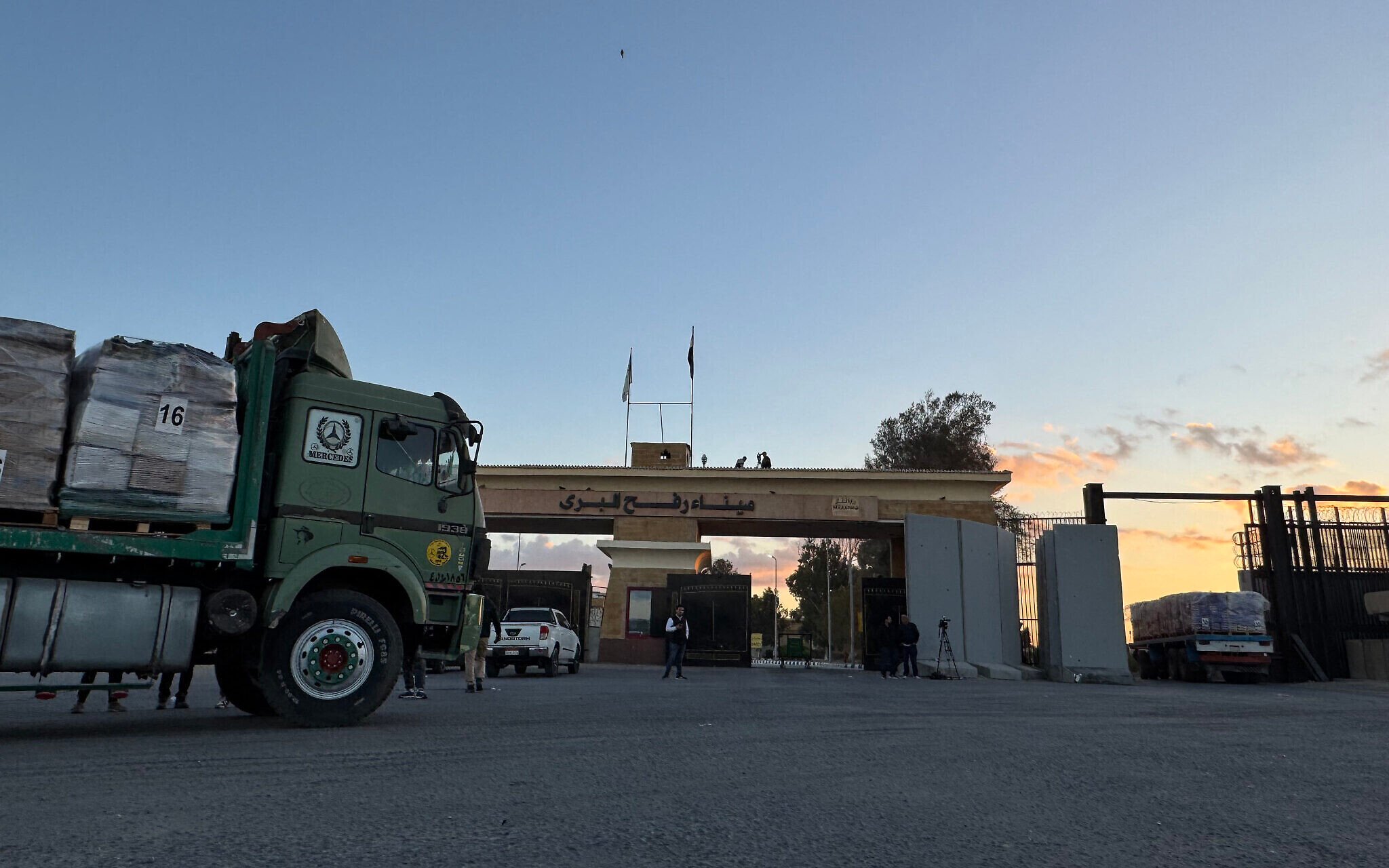
Israel on Tuesday decided not to reopen the Rafah border crossing the following day, as required by the ceasefire deal, accusing Hamas of failing to stand by its commitment to return the bodies of all dead hostages still held by terrorists in the Strip.
The terror group is still holding the remains of 19 hostages in Gaza.
After Hamas released three more bodies of hostages, reports said that the crossing could open on Wednesday, but an Israeli official told The Times of Israel that the crossing would not be ready for use by then anyway.
Later on Wednesday, Hamas returned the bodies of hostages Inbar Haiman and Muhammad el-Atrash, and then claimed it had recovered the bodies of all the deceased captives “that it was able to reach.”
The hostages were among 251 people abducted from the country on October 7, 2023, when Hamas led an invasion of southern Israel that killed 1,200 people, triggering the war. Most of the hostages were released in previous ceasefire deals, a handful were rescued, and the IDF recovered the bodies of dozens of others during the fighting.
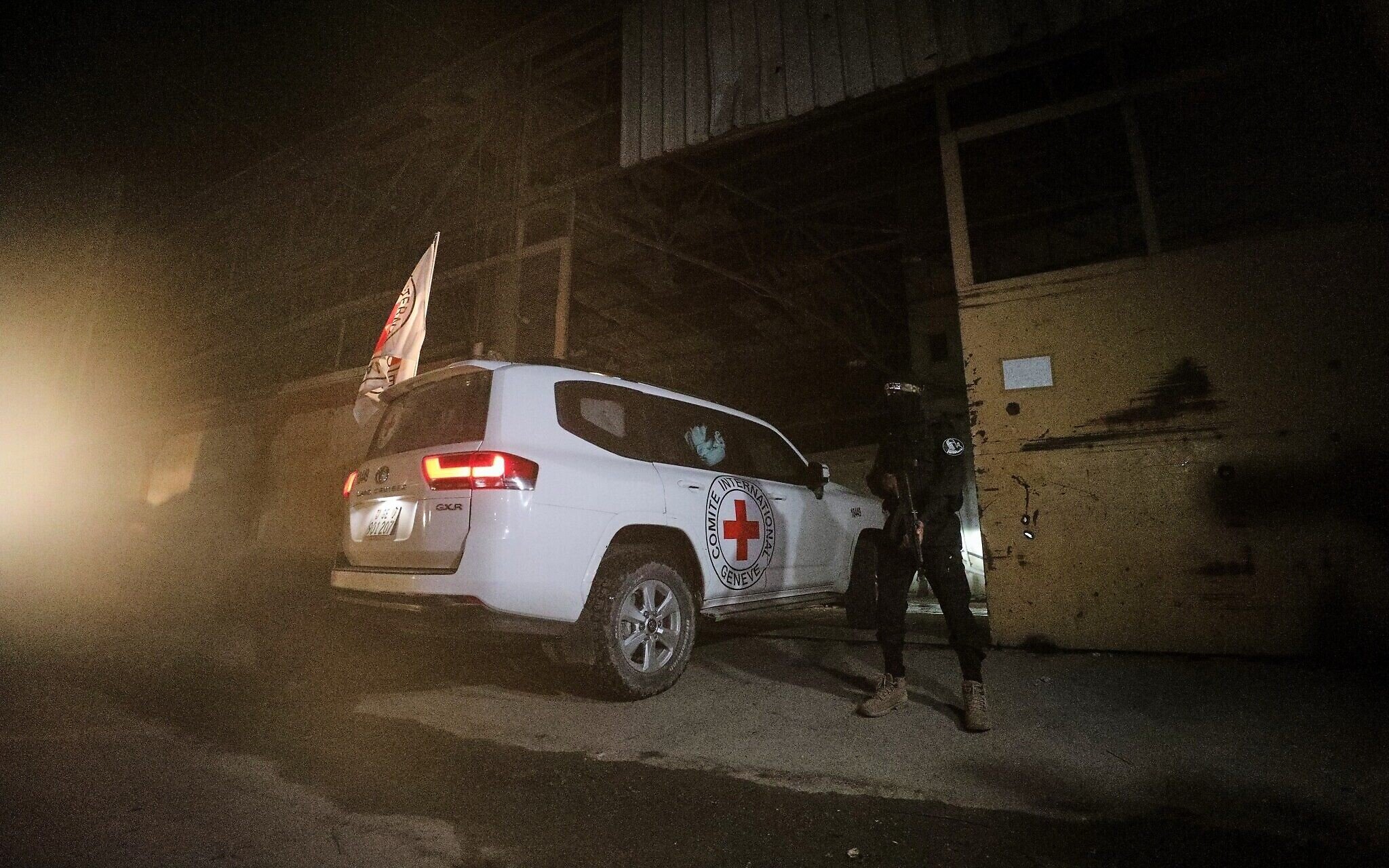
In a statement on Thursday, the Hostages and Missing Families Forum urged the government to “immediately halt the implementation of any further stages of the agreement as long as Hamas continues to blatantly violate its obligations regarding the return of all hostages and the remains of the victims.”
Under the US-brokered ceasefire agreement, Hamas was required to return all the bodies in its or other terror groups’ possession, and share any information it has on other slain hostages, within the same 72-hour timeframe. The terror group has said it would be difficult to return all the dead hostages by that time due to field conditions in Gaza.
Ceasefire mediators have warned that it may take weeks for Hamas to locate the bodies of all the hostages, due to the destruction across Gaza.
An Israeli security official told The Times of Israel last week that in addition to Gazan civilians exiting the Strip via the Rafah crossing in coordination with Egypt, for the first time Israel will allow Gazan civilians who left the Strip during the war to return to Gaza via the Rafah crossing, “subject to Israeli approval and to a specific mechanism that will be coordinated later with the Egyptian side.”








The Times of Israel Community.