

 From the Liveblog of
Thursday, June 11, 2026
From the Liveblog of
Thursday, June 11, 2026
Government OKs plan to slash pollution at Ashdod industrial zone
 Add ToI as a Preferred Source on Google
Sue Surkes is The Times of Israel's environment reporter
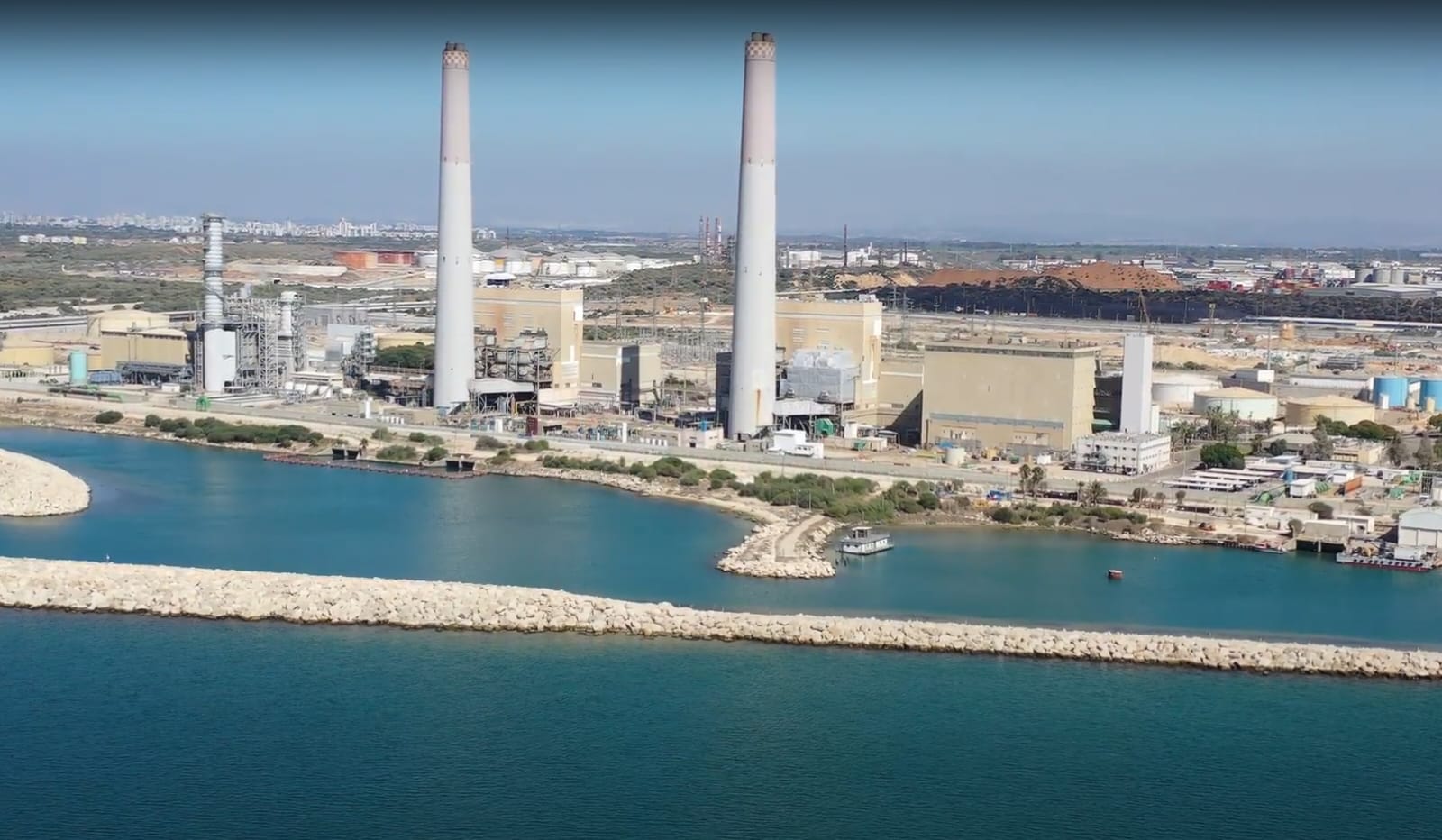
Following years of public struggle, the government approves NIS 32 million ($10.8 million) to help slash polluting emissions in the Ashdod industrial zone in southern Israel.
The move is aimed at improving air quality for hundreds of thousands of people living in Ashdod, Yavne, Gedera and many surrounding kibbutzim and moshavim.
During recent years, the ministry and local authorities have been bombarded with calls complaining about pollution, bad smells and headaches.
The Ashdod industrial zone is a hub of Israel’s logistics and maritime trade. It incorporates shipping, railways and pipelines, along with an oil refinery, power stations, chemical and recycling plants, fuel farms and wastewater treatment facilities.
According to the Environmental Protection Ministry’s Pollutant Release and Transfer Register (PRTR), the zone emitted the highest amount of volatile organic compounds in the country in 2024. Many volatile organic compounds — mixtures of organic substances containing mainly carbon and hydrogen — can cause eye, nose and throat irritation, headaches, nausea and dizziness. Some, such as benzene, are known to cause cancer.
The plan, according to an Environmental Protection Ministry announcement, is to slash, by 2028, volatile organic compound emissions by 56%, nitrogen oxides (which affect respiration) by 44%, and large particulate matter (PM10) by 29%. Particulate matter is made up of tiny particles of soot, dirt, carbon, and minerals that penetrate deep into the respiratory system and can cause severe respiratory illness.
To reach these targets, the ministry will add air monitoring stations, expand environmental sampling, increase patrols and surprise sampling of smokestacks, boost enforcement and improve responses to the public. The ministry and the Water Authority will form a joint team to investigate how best to reduce odor emissions from the Yuvalim wastewater treatment plant. Furthermore, plans will be advanced for a modern facility for sorting and treating organic waste to replace the old waste transfer station, which smells badly.
To reduce pollution from transportation, the plan includes electrifying municipal and other operational vehicles, installing more chargers for electric cars, connecting ships to shore-side electricity to reduce the operation of polluting engines while docking, and encouraging green upgrades at Ashdod Port.









The Times of Israel Community.