

 From the Liveblog of
Tuesday, September 8, 2020
From the Liveblog of
Tuesday, September 8, 2020
Netanyahu apologizes for calling Bedouin man killed in 2017 a terrorist
 Add ToI as a Preferred Source on Google
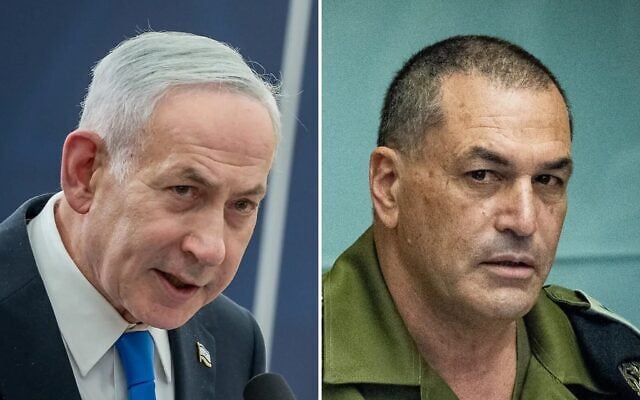
Prime Minister Benjamin Netanyahu apologizes to the family of Yaqoub Abu Al-Qia’an, a Bedouin man who was shot dead in 2017 by police, who said he was carrying out a terror attack, amid a push by the premier’s loyalists to claim police covered up the incident to protect the force’s image amid graft probes into Netanyahu.
Whereas police have continued to claim that Abu Al-Qia’an was killed while carrying out a car-ramming attack during a pre-dawn police operation to raze part of his village of Umm al-Hiran in 2017, investigations by the Shin Bet security organization and the Police Internal Investigations Department (PIID) have cast doubt on that allegation, finding indications that he lost control of the vehicle after being mistakenly shot. An officer was killed when he was run over by the car.
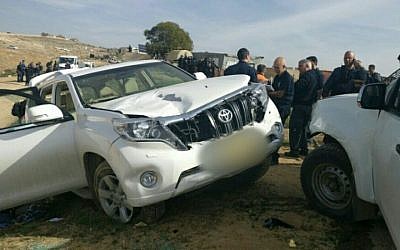
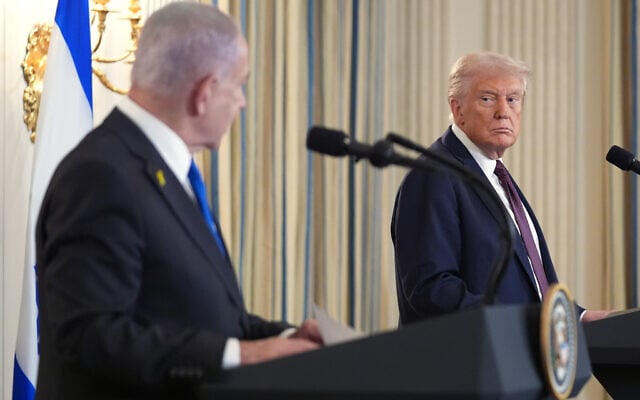
“They said he was a terrorist,” Netanyahu says during a press conference, addressing the family. “Yesterday it came out that he wasn’t a terrorist. Yesterday it came out that senior officials in the prosecution turned him into a terrorist to protect themselves.”
Netanyahu and his allies have been seizing on a television news report yesterday that raised questions about police handling of the affair, using it as a tool to question the charges against the premier.
The report alleged that then-state prosecutor Shai Nitzan closed probes into alleged police wrongdoing, including in this case, out of fears it could tarnish the image of law enforcement as it was investigating Netanyahu for corruption, in cases that have now become a trial against the premier.


The Times of Israel Community.