

 From the Liveblog of
Wednesday, November 8, 2017
From the Liveblog of
Wednesday, November 8, 2017
US Congress committee debates moving embassy to Jerusalem
 Add ToI as a Preferred Source on Google
The US House Oversight Committee’s Subcommittee for National Security, which is in charge of security arrangements for US diplomatic missions across the globe, is discussing the possibility of moving the American Embassy from Tel Aviv to Jerusalem.
Representative Ron DeSantis of Florida, who chairs the committee, calls for the relocation, suggesting the US consulate building in the capital’s Arnona neighborhood as a site for the embassy.
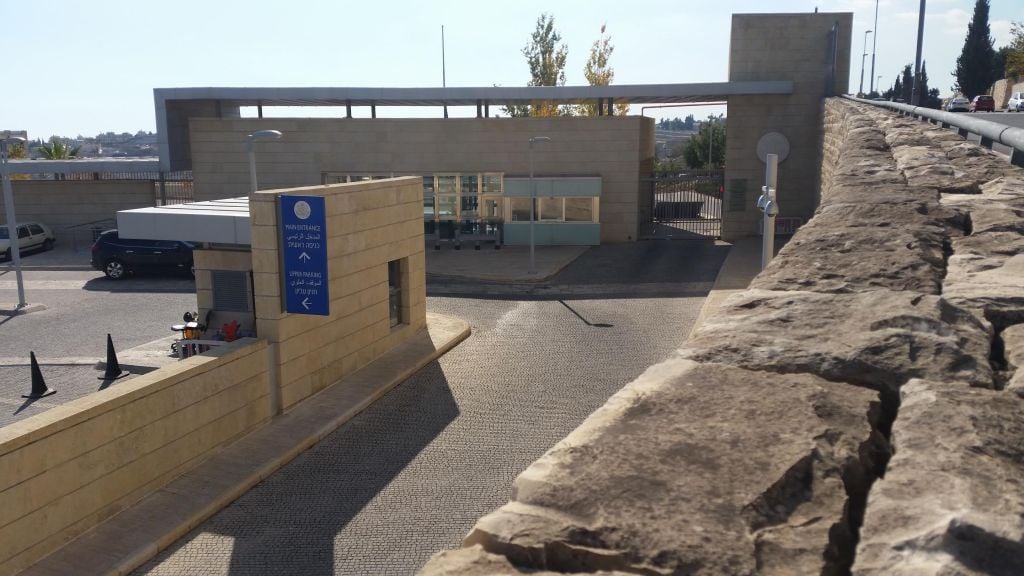
In June, US President Donald Trump signed a waiver that delays for six months any plan to relocate the embassy to Jerusalem. The waiver is expiring on December 1, but Trump is expected to renew it again, arguing that relocating the embassy could jeopardize efforts to relaunch the Israeli-Palestinian peace process.
“The president has always made it very clear that it is a matter of when, not if. We have no news to share at this time,” a White House official tells The Times of Israel.
“I believe that recognizing Jerusalem as Israel’s capital city and relocating our embassy there on incontestably Israeli sovereign territory would be sensible, prudent and efficient for the United States government,” former US ambassador to the UN John Bolton says.
“Indeed, fully regularizing the American diplomatic presence in Israel will benefit both countries, which is why, worldwide, the US Embassy in virtually every other country we recognize is in the host country’s capital city.”
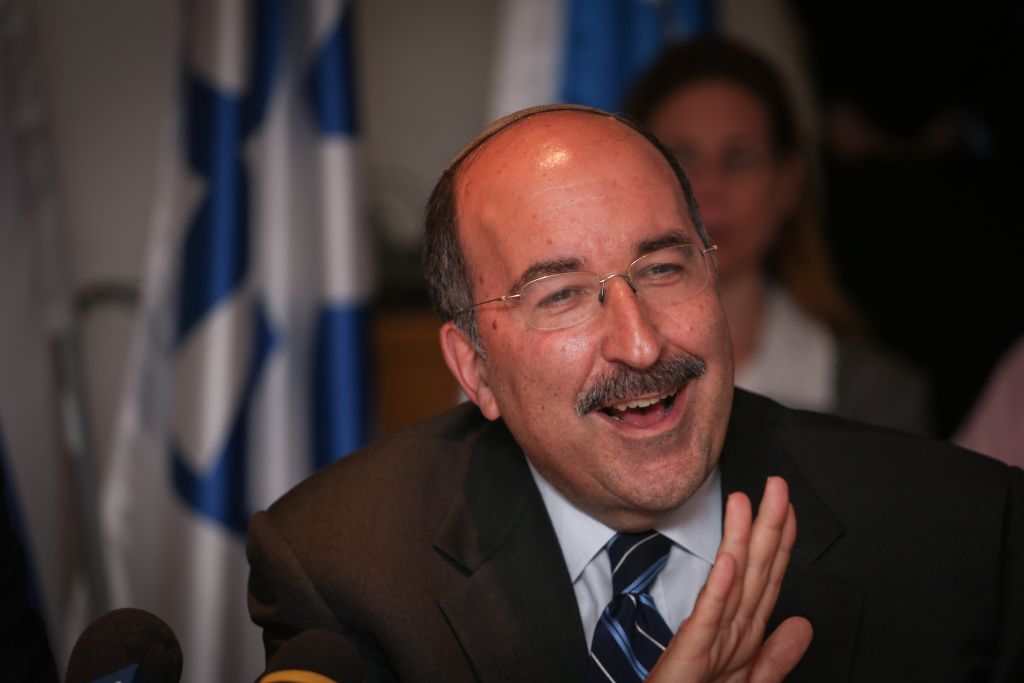
Dore Gold, a former director-general of Israel’s Foreign Ministry, argues for the relocation as well, saying that only Israel will safeguard religious freedom for all at the holy sites in Jerusalem.
“It is my view that President Donald Trump has made a commitment in that regard and I believe he will stand by what he has said,” Gold tells the subcommittee.
— Raphael Ahren




The Times of Israel Community.