

Mediators bullish on chances for Gaza deal next week after main obstacles overcome
Israel agrees to largely limit IDF presence to 1km-wide perimeter zone; Hamas still reviewing maps but has lifted veto on discussing hostage swap terms; US warns Hamas not to delay

 Add ToI as a Preferred Source on Google
A hostage agreement can be reached next week after Israel eased its demands regarding the scope of its withdrawal from Gaza during the 60-day truce under discussion, an Arab diplomat and a second source involved in mediation efforts told The Times of Israel on Thursday.
Israel submitted a new series of maps earlier this week representing the troop redeployment that it envisions during the truce. The maps showed that Israel has come down from demands to hold onto large swaths of territory inside Gaza that it has occupied since the previous ceasefire in January, the two sources said.
After demanding for weeks to remain in the Morag Corridor — which separates the southern Gaza cities of Rafah and Khan Younis — in order to maintain a buffer zone that extended five kilometers north from the Egyptian border, the new maps show that Israel has agreed to remove its forces from that 12-kilometer-long strip, the sources said.
Instead, Israel has reduced its demand for the Rafah buffer zone to extend a little over one kilometer in what the Arab diplomat said neutralizes Jerusalem’s earlier plans to create a controversial “humanitarian city” to which Gaza’s population would be moved, vetted upon entry, and prevented from leaving, as Jerusalem hoped to encourage Gazans’ emigration from the Strip.
Israel has also agreed to keep its forces in a perimeter around the rest of the Strip that is also one kilometer wide, after initially insisting on a two- or three-kilometer perimeter, the two sources said.
While Israel presented the maps earlier this week, mediators identified technical errors that required them to be resubmitted on Wednesday, the sources said. Hamas has since received the updated versions and was still holding internal deliberations on the matter that extended past midnight into Friday.

The source involved in the mediation effort said Hamas would likely come back with minor reservations, but not ones significant enough to derail the negotiations. Still, the US has passed along a message to Hamas through mediators, warning of significant consequences if it drags out the negotiations.
The issue of humanitarian aid had previously been an obstacle in earlier rounds of talks, with Israel seeking to keep the controversial Gaza Humanitarian Foundation operational, against the wishes of Hamas.
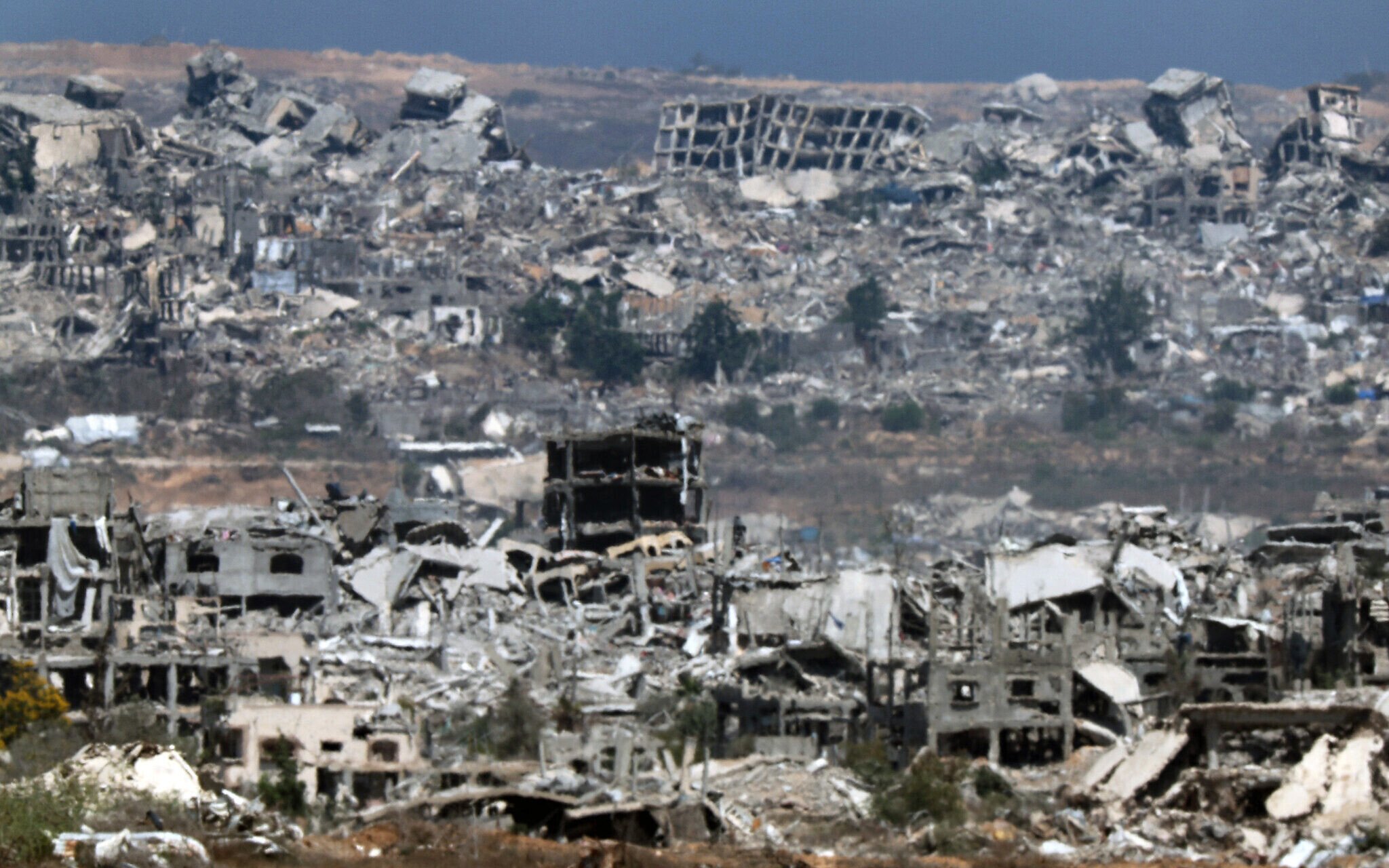
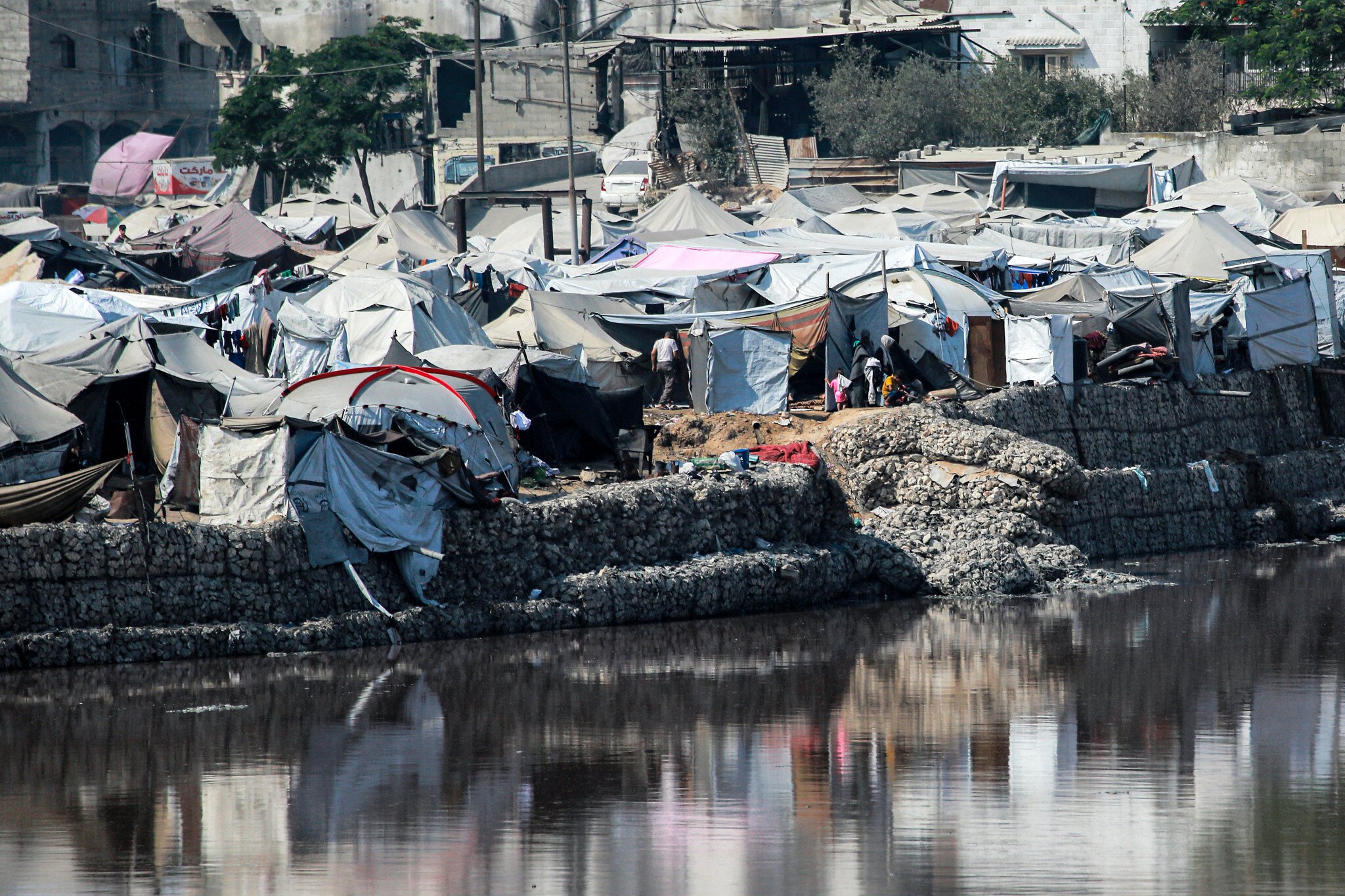
But the redeployment that Israel has authorized would see IDF troops withdrawing from most of the central and southern Gaza areas where GHF has been operating distribution sites. While Israel has touted GHF for boxing Hamas out of the aid distribution process, the model has been criticized for limiting distribution to just one to three sites a day, forcing Gazans to walk long distances while often dodging deadly Israeli fire to pick up aid at overcrowded and chaotic militarized hubs.
The Axios news site reported that Israeli officials were holding separate negotiations in Cairo with Egyptian counterparts aimed at coming up with a new mechanism for allowing aid into Gaza through Egypt in a manner that prevents Hamas from diverting it.
In a further sign of progress, Hamas — upon receiving the updated Israeli maps — lifted its veto on discussing terms for the hostage-prisoner swap, the sources said, adding that the terror group agreed to discuss the ratio of security prisoners it would accept in exchange for each hostage.
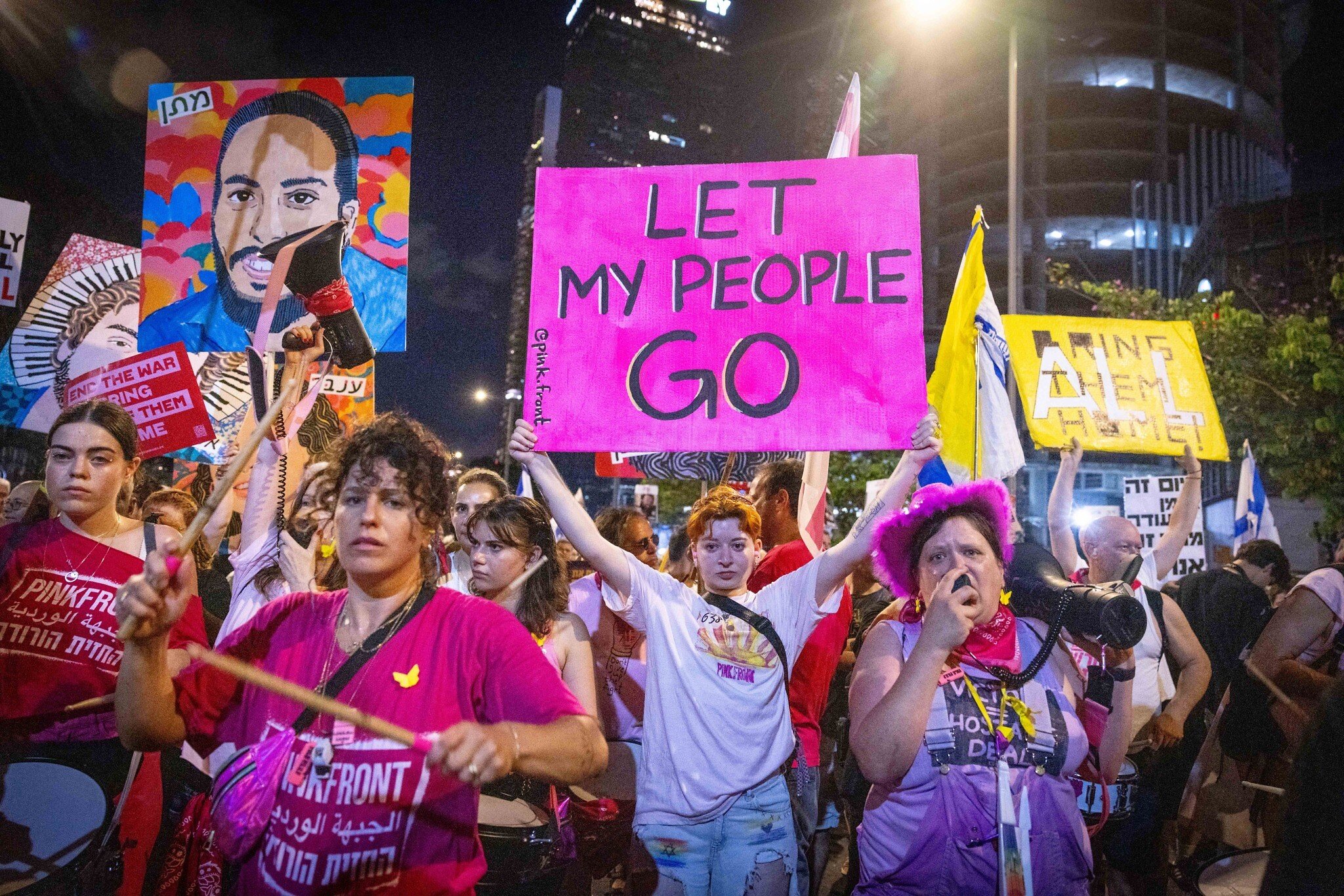
The current proposal would see the release of 10 living hostages and 18 slain hostages in five batches throughout the two-month truce.
Previous proposals offered the release of 125 Palestinians serving life sentences for involvement in attacks that killed Israelis, along with 1,111 Palestinians who were arrested by the IDF in Gaza since the October 7, 20223, onslaught. The vast majority of the latter category have not been charged with a crime.
The sources said that the ratio would likely increase slightly in Hamas’s favor, but not significantly enough to lead Israel to reject the proposal.
While Hamas has not yet submitted to Israel a list of prisoners that it wants released in the deal, the sources said it would likely include former prominent terror convicts Marwan Barghouti and Ahmad Saadat.
Barghouti, a top figure in Fatah serving five life sentences for planning attacks during the Second Intifada, is envisioned by many Palestinians as a potential successor to Palestinian Authority President Mahmoud Abbas. Western diplomats have reached out to Israel since the start of the war to express their concern over beatings and mistreatment that Barghouti has reportedly endured at the hands of prison guards.
However, the sources said they expected Israel to try to employ vetoes, pushing off the question of Barghouti and Saadat’s releases until the subsequent negotiation that is to be held during the 60-day truce regarding the terms of the permanent ceasefire that is supposed to come into place afterward. Once that permanent ceasefire is reached, the remaining 22 hostages will be freed, according to the terms of the deal under discussion.
The sources said several days are still needed in order to conclude negotiations regarding the hostage-prisoner swap.
Regardless, they argued that a final breakthrough was unlikely until closer to July 27 when the Knesset enters a three-month recess, at which point the ability of Prime Minister Benjamin Netanyahu’s coalition partners to bring down the government will be significantly depleted.
Far-right ministers Bezalel Smotrich and Itamar Ben Gvir have both spoken out against the deal that is coming together, arguing that it rolls back the progress that the IDF has made in conquering territory since the previous ceasefire broke down in March.
For its part, the IDF has framed its territorial takeover as a tool to coax Hamas into releasing hostages, which it is now potentially agreeing to do through the deal on the table.
On Thursday night, Netanyahu convened a security cabinet meeting to discuss the ongoing negotiations, an Israeli official said.
After discussing the hostage talks with US President Donald Trump over dinner at the White House on Wednesday night, Qatari Prime Minister Mohammed bin Abdulrahman Al Thani is slated to meet with Hamas negotiators back in Doha on Saturday, the Arab diplomat said.
Meanwhile, Hamas has indicated in recent weeks that it is prepared to compromise on its demand for an up-front Israeli commitment to a permanent ceasefire, in exchange for a personal assurance from Trump that the truce will remain in place until the sides reach an agreement on that permanent end to the war.
With the Hamas compromise on its permanent ceasefire demand, and Israel’s compromise on the scope of its withdrawal, mediators believe that the more difficult obstacles in the ongoing Doha talks have been overcome.
It was these developments that apparently led Trump to declare on Wednesday that there was “good news on Gaza,” although he did not elaborate.





The Times of Israel Community.