

Netta Barzilai removes noose imagery posted to protest virus rules
Eurovision winner says ‘a lot of people were triggered and offended’ by graphic adopted by culture industry to decry government restrictions
 Add ToI as a Preferred Source on Google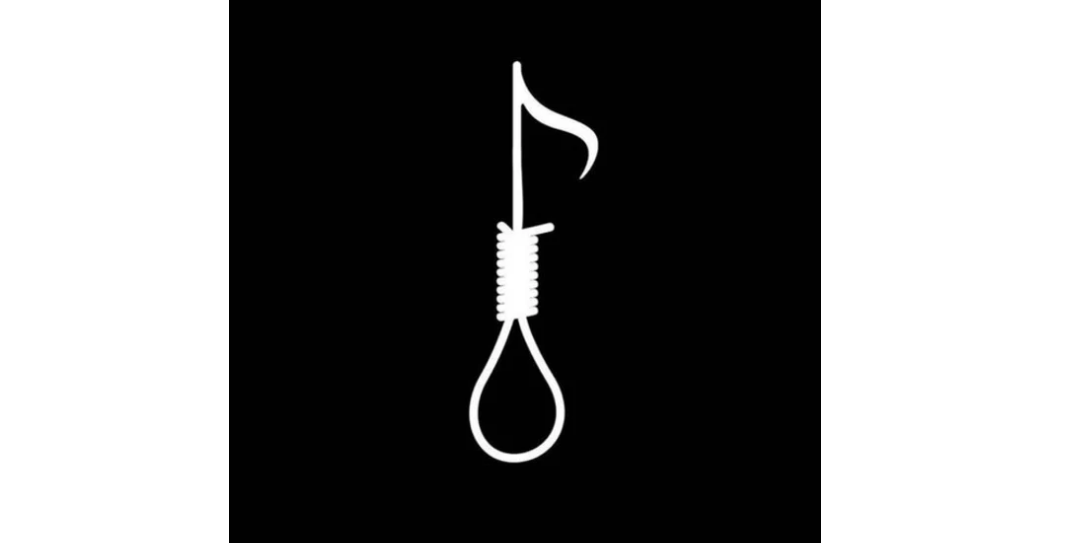
JTA — Netta Barzilai on Tuesday removed an Instagram post featuring a music note being strangled by a noose to illustrate how culture is dying in Israel because of coronavirus restrictions, saying she was sorry if the image offended any of her fans.
The Israeli singer removed the image from her Instagram a day after posting it, and left a message in its place that said “a lot of people were triggered and offended by the logo, and I obviously didn’t want that.”
Barzilai had posted the picture — a white note on a black background — on Monday night after the Israeli government approved the shutdown of event halls and other culture venues, raising the ire of the culture industry, which has called on the government to provide financial aid to the industry similar to aid provided to other businesses.
Barzilai’s message read: “This is serious. The culture industry in Israel is being shut down because of corona. There is no real financial support for music industry workers … and many of my friends and colleagues here won’t be able to support themselves soon. A lot of them have mortgages to pay and children to feed.”
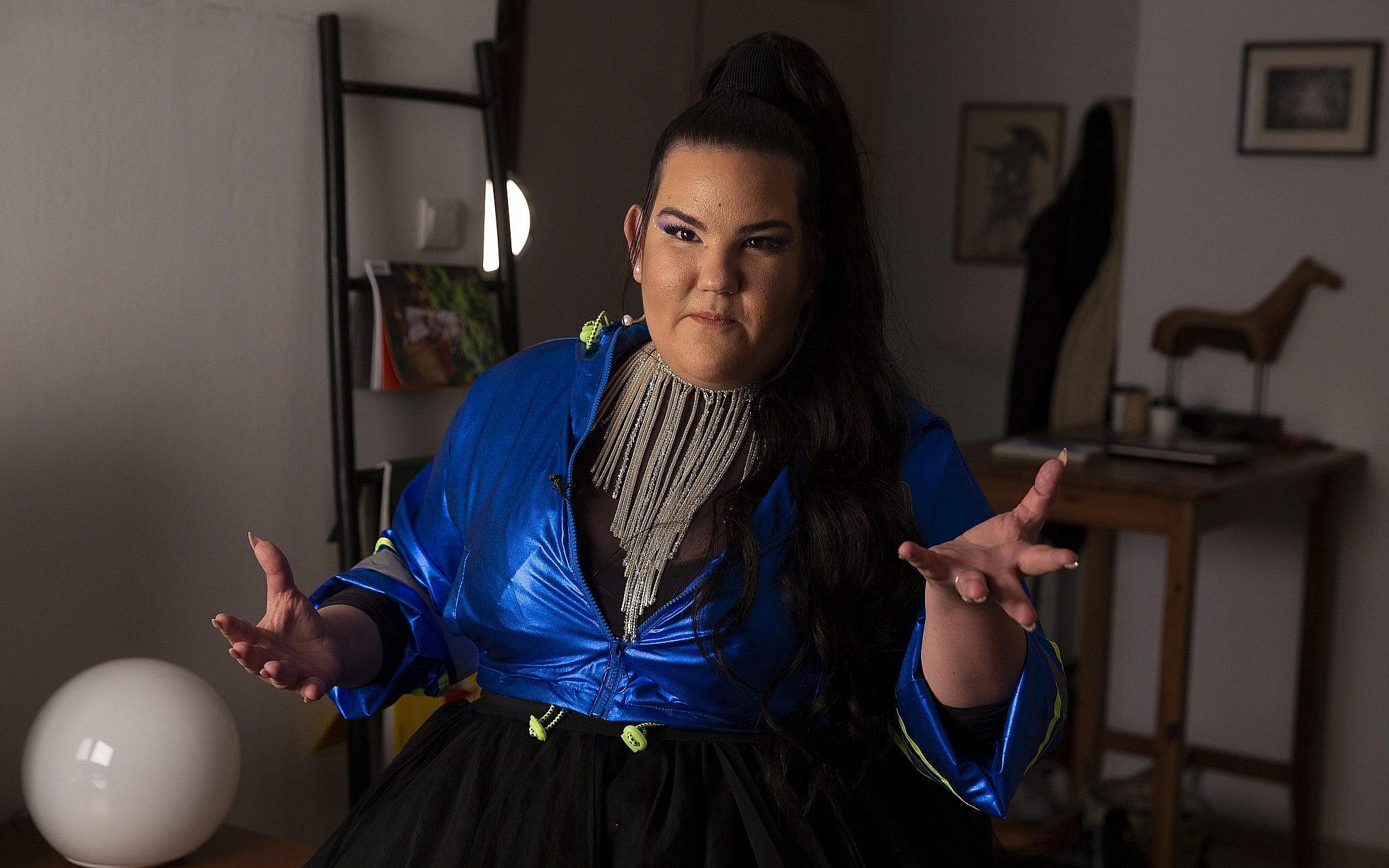
The singer later posted a video on her story in which she apologized for worrying her followers.
“I am ok, although a lot of my friends are not,” she wrote, condemning the Israeli government for “not supporting anyone financially.” She added: “Culture is dying. We have to do something and we have to be vocal about it.”
Barzilai was the Eurovision international song contest’s winner in 2018.





The Times of Israel Community.