

Palestinian officials: No elections without participation of East Jerusalem
With Israel unlikely to allow election in city, observers say Abbas hopes to use refusal as an excuse to pull back from vote
 Add ToI as a Preferred Source on Google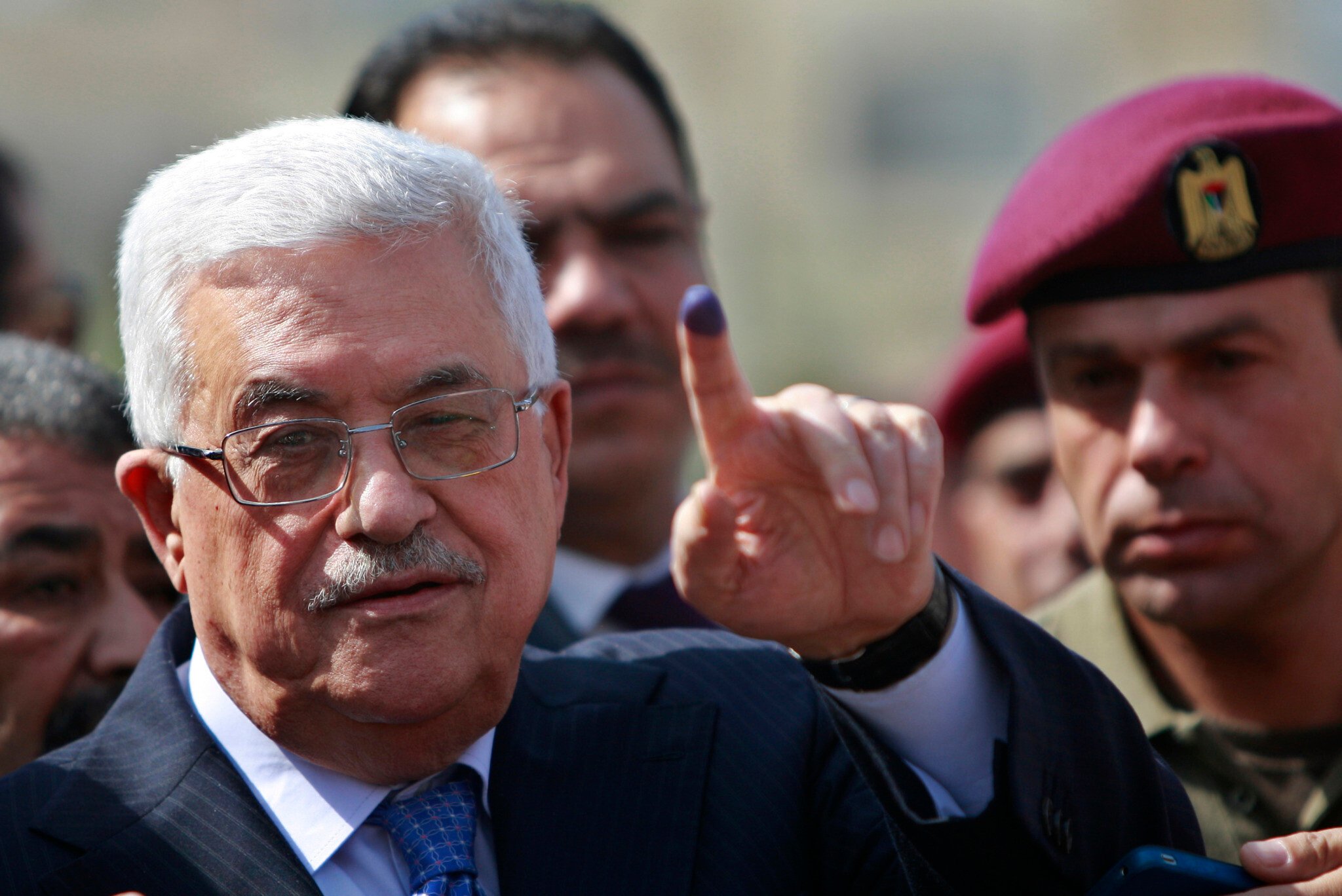
There will be no Palestinian elections without the participation of East Jerusalem Palestinians, Fatah and other Palestine Liberation Organization factions said Monday.
“There will be no Palestinian elections without Jerusalem, and Israel possesses no veto to this,” the Palestinian factions said in a joint statement following a meeting to discuss the subject.
“The election process must become a state of confrontation and comprehensive popular resistance in Jerusalem and all the Palestinian territories occupied in 1967,” the PLO factions said.
According to the official Palestinian Authority WAFA news agency, the factions that attended the meeting included Fatah and its close allies within the PLO, as well as the Popular Front for the Liberation of Palestine, a US-designated terror group.
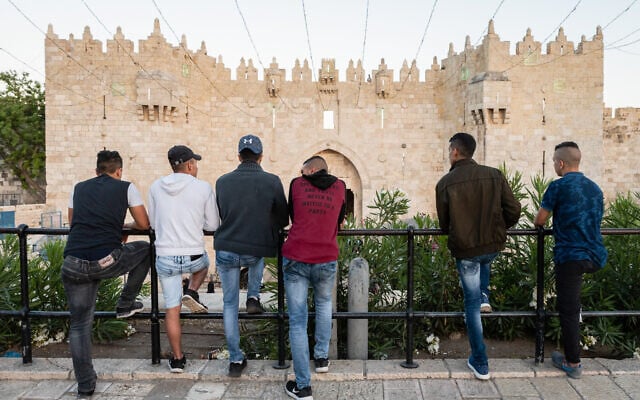
Palestinians are set to head to national legislative elections in May — their first in over 15 years. But officials in Ramallah have said the vote will not take place without the participation of East Jerusalem Palestinians. Israel cracks down on Palestinian Authority activity inside Jerusalem, considering it a violation of Israeli sovereignty in its capital.
“The factions called on the parties of the international community, including the United Nations, the European Union, Russia, China…to pressure Israel, the occupying authority, not to put obstacles or stumbling blocks in the path of the elections,” the PLO factions said.
The Oslo Accords signed between Israel and the PLO outline specific procedures under which Palestinian elections are to be held, including provisions that commit Israel to allowing East Jerusalem Palestinians to vote at post offices in the capital.
The accords also state that every Palestinian faction in elections must accept the legitimacy of Oslo, which commits Palestinians to recognizing Israel and abandoning armed struggle. Some of the factions that have announced they will participate in the upcoming legislative vote — including Hamas, Islamic Jihad, and the PFLP — reject the Oslo accords.
Palestinian officials say Israel has yet to respond to a formal request to allow Palestinians to vote within East Jerusalem. Israeli authorities are unlikely to allow voting inside the city or campaigning by Palestinian candidates, especially the Hamas terror group.
“We will not interfere in the political decisions of the Palestinians,” Defense Minister Benny Gantz said last Monday, but then immediately added: “We will not agree to work with Hamas, a terror organization that has taken the Palestinian population in Gaza hostage.”
But in a symbolic move last week, Israeli police broke up a Palestinian election event attended by Fatah officials at East Jerusalem’s Ambassador Hotel, briefly detaining at least two Palestinians involved for interrogation.
Palestinian media identified the detainees as Fatah’s Secretary-General in Jerusalem Adel Abu Zneid and Ambassador Hotel manager Sami Abu Dayyeh.
The European Union condemned the move, describing it as a violation of the Oslo Accords.
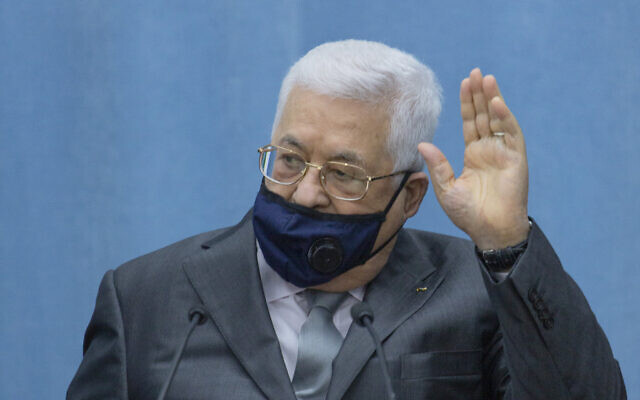
PA President Mahmoud Abbas announced in mid-January that Palestinians would be returning to the polls for the first time in 15 years. He issued an electoral decree setting three rounds of elections, with the first — legislative elections — scheduled for May 22.
Observers were initially skeptical that the decree would lead to elections, given Abbas’s fear of his main rival, Hamas, unseating him. But nearly three months later, the election decree has yet to be canceled, some 93% of Palestinians are registered to vote and 36 parliamentary lists have been presented and approved.
But Abbas’s Fatah movement has grown increasingly fractured in recent weeks, with wildly popular Palestinian security prisoner Marwan Barghouti and former PLO chairman Yasser Arafat’s nephew Nasser al-Kidwa forming a rival slate of candidates against Abbas.
Rampant speculation has begun that Abbas — fearing a potential loss to his Fatah rivals or to a Hamas bolstered by internal Fatah divisions — will seek to delay or even cancel the vote.
Observers say the Palestinian Authority leadership could wield the question of East Jerusalem participation as an excuse not to hold elections, should Israel choose not to allow the Palestinians to hold their vote in the city.
“It is an excuse, a way for all sides to climb down from the tree with dignity and not risk losing power,” former Israeli security official Michael Milshtein told The Times of Israel in February.
Palestinian officials in Ramallah have been conducting a media blitz over the past few weeks, with numerous senior figures giving statements indicating that the elections will not take place without Jerusalem.
“It would be tantamount to a political implementation of the American Deal of the Century,” senior Fatah official Azzam al-Ahmad told Voice of Palestine Radio on Sunday, referring to the peace plan of former US president Donald Trump. “It would undermine any future discussions about the city being the capital of the future Palestinian state.”
In 2019, Abbas conditioned issuing a formal election decree launching the electoral process on an Israeli commitment to allow elections to take place.
“We will not hold elections without Jerusalem at their heart, meaning that every Jerusalem resident will vote from the heart of East Jerusalem,” Abbas told Gazans in a speech played at a Fatah rally in the coastal enclave at the time.
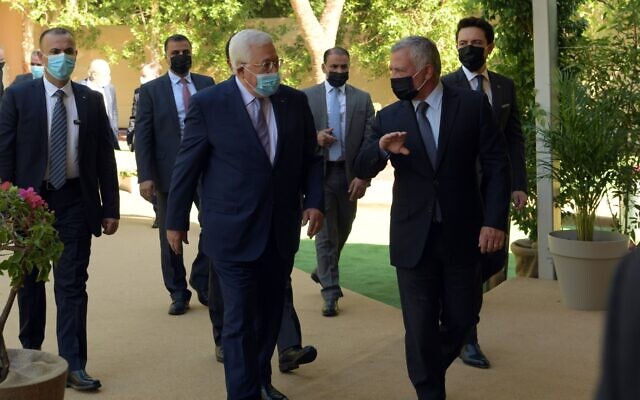
Israel reportedly ignored the request, and the election push fizzled out. Hamas, in turn, accused Abbas of capitulating to Israel and using Jerusalem as an excuse to “flee from the electoral path.”
“This Israeli decision should constitute an incentive for Palestinian Authority President Mahmoud Abbas to impose elections in Jerusalem,” said Hamas spokesperson Fawzi Barhum in late December 2019.
Hamas officials have similarly warned Abbas not to use Jerusalem or any other excuse to delay or cancel the current vote this time around.
“We refuse to postpone the elections on any pretext,” senior Hamas official Mousa Abu Marzouq wrote on Twitter last week.






The Times of Israel Community.