

Partial shutdown set to cost 170,000 independent Israeli workers NIS 3 billion
Freelancers to bear 20% of total national losses, amounting to NIS 500 million per day, leading labor representative says
 Add ToI as a Preferred Source on Google
The partial shutdown of the country over coronavirus is expected to cost Israeli independent workers NIS 100 million ($26 million) per day, equal to roughly 20 percent of the total national losses, a leading business representative said Tuesday.
The economy will lose NIS 500 million ($130 million) a day, and NIS 16.5 billion ($4.2 billion) in six weeks, said Dr. Robi Natenzon, the economic adviser for Lahav, Israel’s Chamber of Independent Organizations and Businesses.
The estimate came after Prime Minister Benjamin Netanyahu announced new restrictions to stem the virus outbreak on Monday night, and before the Health Ministry announced new more drastic measures on Tuesday.
The partial shutdown is expected to directly impact the income of 170,000 self-employed people — 37% of all independent workers in Israel. The number is expected to grow as the crisis continues. The total losses to the sector in six weeks will be NIS 3.15 billion ($820 million), Natenzon estimated.
For a six-week shutdown, independent workers on average will need NIS 7,000 ($1,800) in compensation to stay afloat. The Finance Ministry has vowed to support small businesses and independent workers with grants of NIS 6,000 ($1,500).
The independent workers hit directly by the crisis will include 60,000 employed in the commercial trade sector, 30,000 working in the arts, entertainment and leisure sectors, 30,000 in education, 20,000 in food and hospitality and 1,000 in transport services, according to the Globes business daily.
Other independent workers, including 45,000 in construction and 30,000 in manufacturing, are at risk of losing work and income.
Natenzon estimated the crisis would result in 375,000 firings in Israel.
The head of Lahav, Roy Cohen, said that damage to the food and hospitality industries would amount to NIS 500 million ($130 million) per day, and NIS 15 billion ($3.9 billion) in six weeks.

The tourism industry is likely to lose NIS 250 million ($65 million) per week.
The Finance Ministry estimated Monday that the total damage to Israel’s economy caused by the coronavirus pandemic will amount to NIS 45 billion ($12 billion) and wipe out any projected growth for the year.
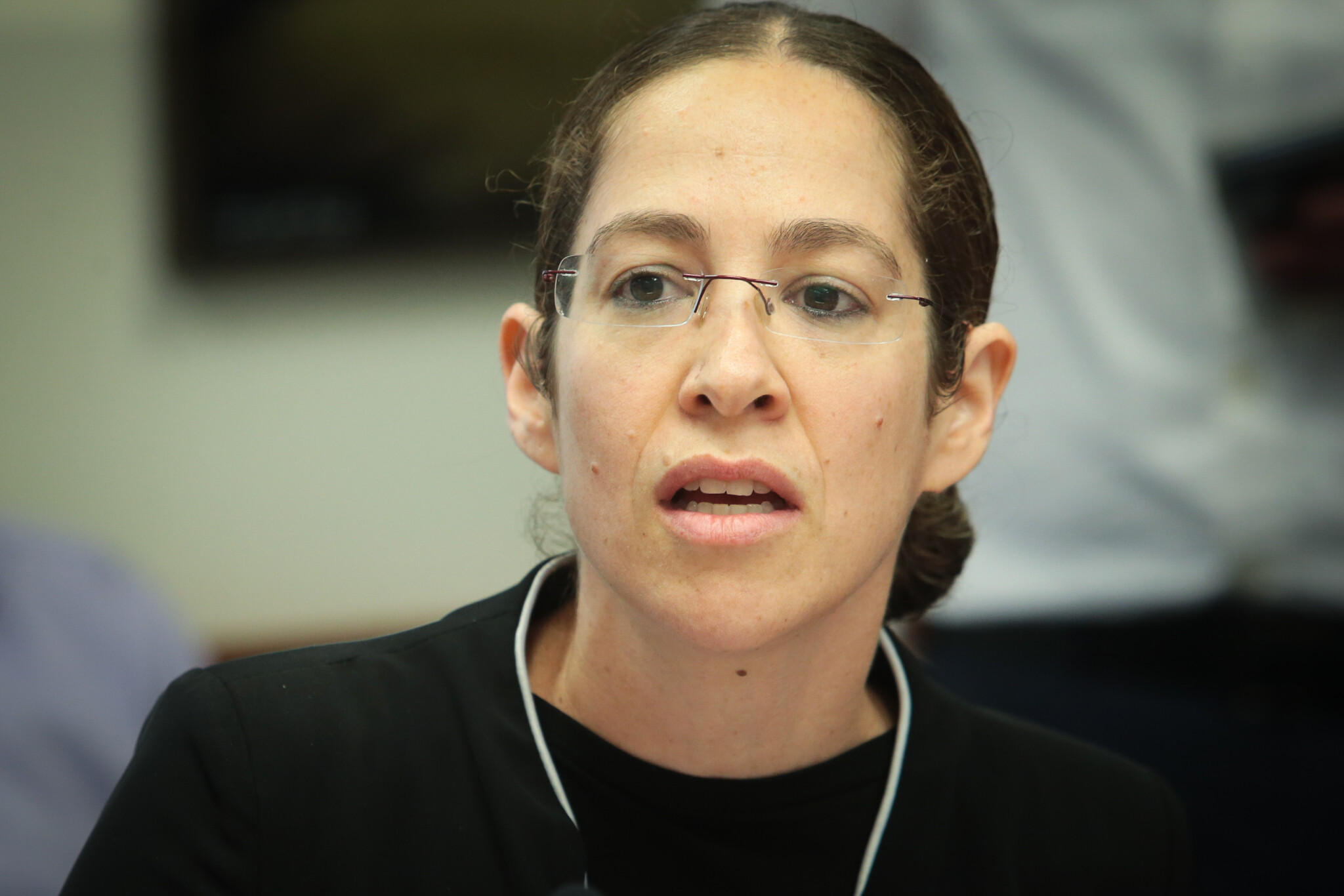
Israel’s gross domestic product is expected to drop by NIS 25 billion ($6.6 billion) in 2020, said the Finance Ministry’s chief economist, Shira Greenberg.
Additionally, global events related to the virus are expected to cause another NIS 20 billion ($5.3 billion) in losses to Israeli businesses, Greenberg said.
While cautioning that there is currently great uncertainty regarding the future impact of the pandemic on the global markets, Greenberg said the growth in Israel’s economy is estimated to drop by 3%, bringing economic growth in 2020 to a standstill. Israel had been on track for 3% growth in 2020, according to official projections.
The state’s revenue will be reduced by 1.2%, she said.
It was not immediately clear on what length of crisis the projections were based.
The government on Monday ordered all business with more than 10 people to curb in-office staff by 70% and put the public sector on emergency footing, adding to measures that had already largely curtailed much of Israel’s economy.
The widened restrictions came after the Health Ministry voiced support for a total lockdown of the country. Treasury officials, by contrast, have been strongly opposed to a full shutdown.
The Health Ministry on Tuesday instructed Israelis to remain home unless it was absolutely necessary to leave. The Transportation Ministry said it was reducing public transportation at night and on weekends.
Finance Minister Moshe Kahlon announced grants of NIS 6,000 for small businesses and independent workers and an injection of NIS 5 billion ($1.3 billion) into the economy Monday night.
The details of the aid package would be announced in the coming days, Kahlon said.
He said workers placed on leave will receive “improved” unemployment benefits, with those who were employed for six months now eligible for the payments (an easing of the regulation that formerly required workers to have been employed for at least a year).
Small business owners will be able to defer their property tax, water, national insurance, and electricity bills if they cannot make the payments, said Kahlon.
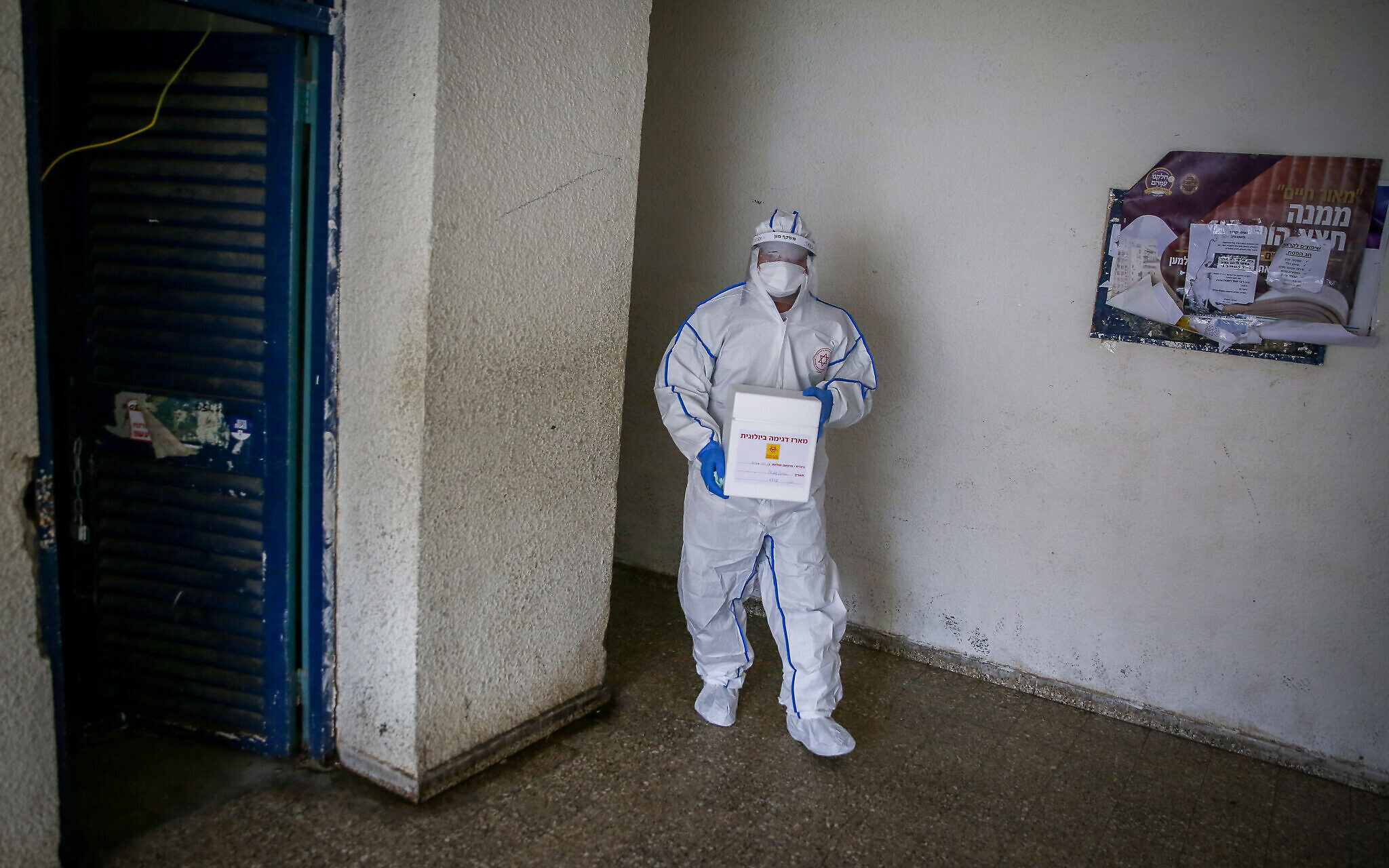
The cost of unemployment benefits announced on Monday is expected to amount to some NIS 4 billion ($1 billion) per month.
The banking sector has also rallied in recent days in support of Israeli businesses.
The Bank of Israel said on Sunday it will be buying government bonds and offering repo transactions to Israeli financial institutions, using government bonds as collateral. The bank did not specify the size of the planned transactions, only saying it would buy bonds “in the necessary quantities.”
Retail banks will adjust policy to support the business sector and general public following a request from the Bank of Israel. The banks’ newly announced regulatory leniencies are aimed in particular at small and mid-sized businesses, which rely heavily on bank credit.
The banks will offer a delay in mortgage payments for a few months, loans to small and mid-sized businesses that are seeing liquidity problems, expanded digital services for remote transactions, and courier services for customers in quarantine.
The banks are expected to announce additional measures in the coming days, including easing policies on loans, credit, remote transactions, and ATM cash supplies.
So far 324 cases of COVID-19 have been confirmed in Israel. Five were in serious condition and nine in moderate condition.
Israel has banned gatherings of over 10 people, closed schools, forced all Israelis entering the country into a 14-day quarantine, and ordered the closure of all malls, restaurants and cafes (with takeout permitted) to contain the outbreak.








The Times of Israel Community.