

Plan to randomly test Bnei Brak residents for virus reportedly scrapped
Project had run into opposition from locals and Health Ministry, amid dispute between rescue groups over who would collect samples
 Add ToI as a Preferred Source on Google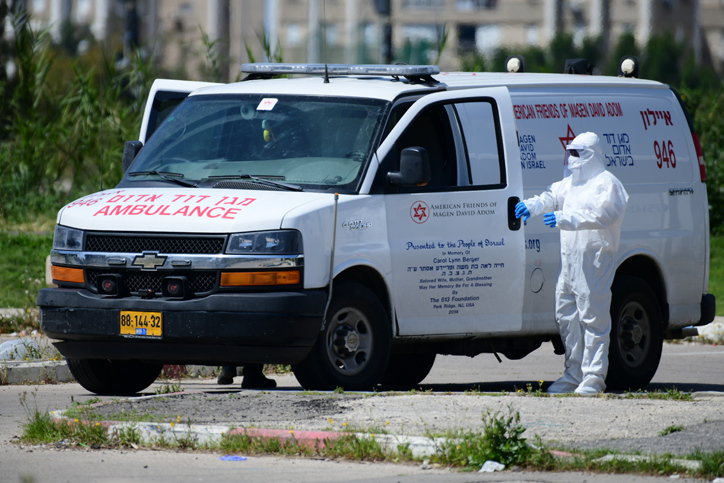
A plan to randomly test residents of hard-hit Bnei Brak for the novel coronavirus has reportedly been pushed off after running into a series of roadblocks.
Medics had been set to collect some 1,500 swab samples from residents in a bid to more accurately gauge the prevalence of the virus in the ultra-Orthodox city of 200,000, which has already seen over 1,700 cases confirmed.
Officials believe the true number of cases there to be several times higher.
The plan was delayed, and may be canceled, after opposition from locals and the Health Ministry, according to Channel 12 news, which first reported on the existence of the program.
According to the report, the project would be carried out by the volunteer emergency medical organization United Hatzalah together with the Weizmann Institute and Kama-Tech, a program that facilitates integration of ultra-Orthodox into the hi-tech sector.
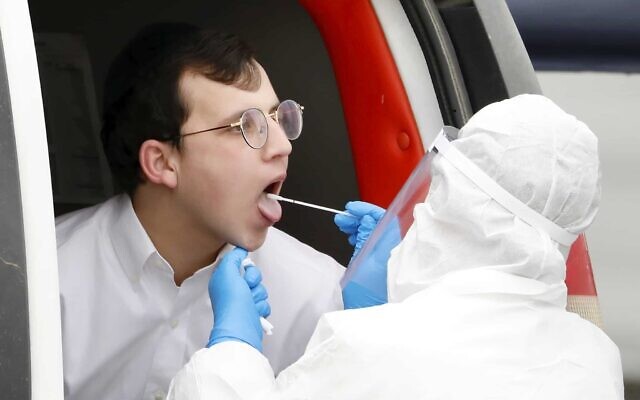
However, the plan was derailed after some local rabbis expressed opposition to the idea. There had also been a dispute over sample collection between United Hatzalah and Magen David Adom, which is normally tasked with testing patients, the channel reported.
Reporter Yair Cherki later tweeted that the main issue had been opposition from the Health Ministry, citing sources involved.
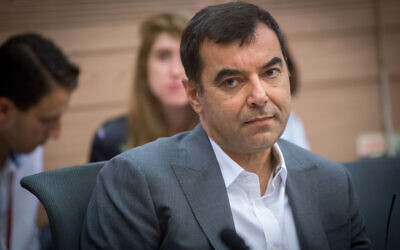
In the lead up to the program’s expected launch on April 10, Mobileye CEO Amnon Shashua, who has been advising Prime Minister Benjamin Netanyahu on an exit strategy during the crisis, had sought the blessing of Rabbi Chaim Kanievsky, a prominent leader of the ultra-Orthodox community in Bnei Brak.
Some residents of Bnei Brak had publicly expressed unhappiness with the plan, complaining that it would make it look like the city had yet higher numbers of confirmed cases than the rest of the country.
“In every city where they do 1,500 random samples, the numbers will shoot up. They realize the closure of Bnei Brak is unjustified, and are doing everything to keep us in this terrible lockdown,” one resident told the B’Hadrei Haredim ultra-Orthodox news website.
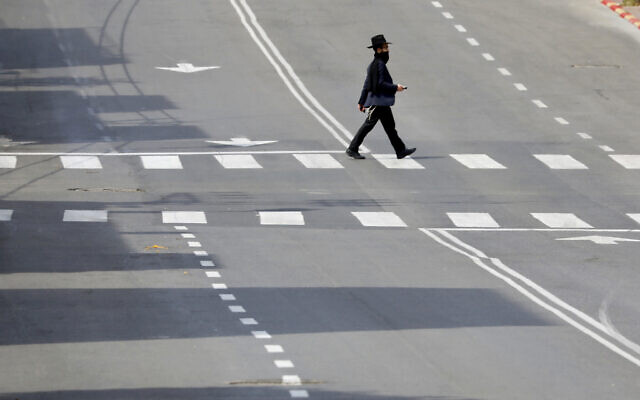
The city was locked down last week amid sky-high infection rates in the ultra-Orthodox community. According to Health Ministry data, 1,761 people in the city have tested positive for the virus, second only to Jerusalem in total numbers, despite having one-fifth of the population of the capital.
Experts say effective testing and sampling in high numbers will be key to formulating a strategy to roll back lockdown measures in some areas with lower infection rates. Officials have expressed optimism that some measures could be rescinded as early as later this week.
However, the country has been dogged for the last week by a paucity of effective testing kits. Officials had been hoping to surpass 10,000 daily tests but a shortage of a key chemical reagent has forced them to scale back to less than 6,000 a day, possibly giving a false impression that the country has managed to beat back the spread of the virus.
Nationwide, over 10,700 people have been confirmed to have COVID-19, and 101 people have died, according to Health Ministry figures released Saturday night.


The Times of Israel Community.