Pope laments that lessons of WWII are being forgotten
‘Men have a short memory,’ pontiff says in letter ahead of D-Day commemorations, regretting that new international war is being ‘seriously considered’ by some
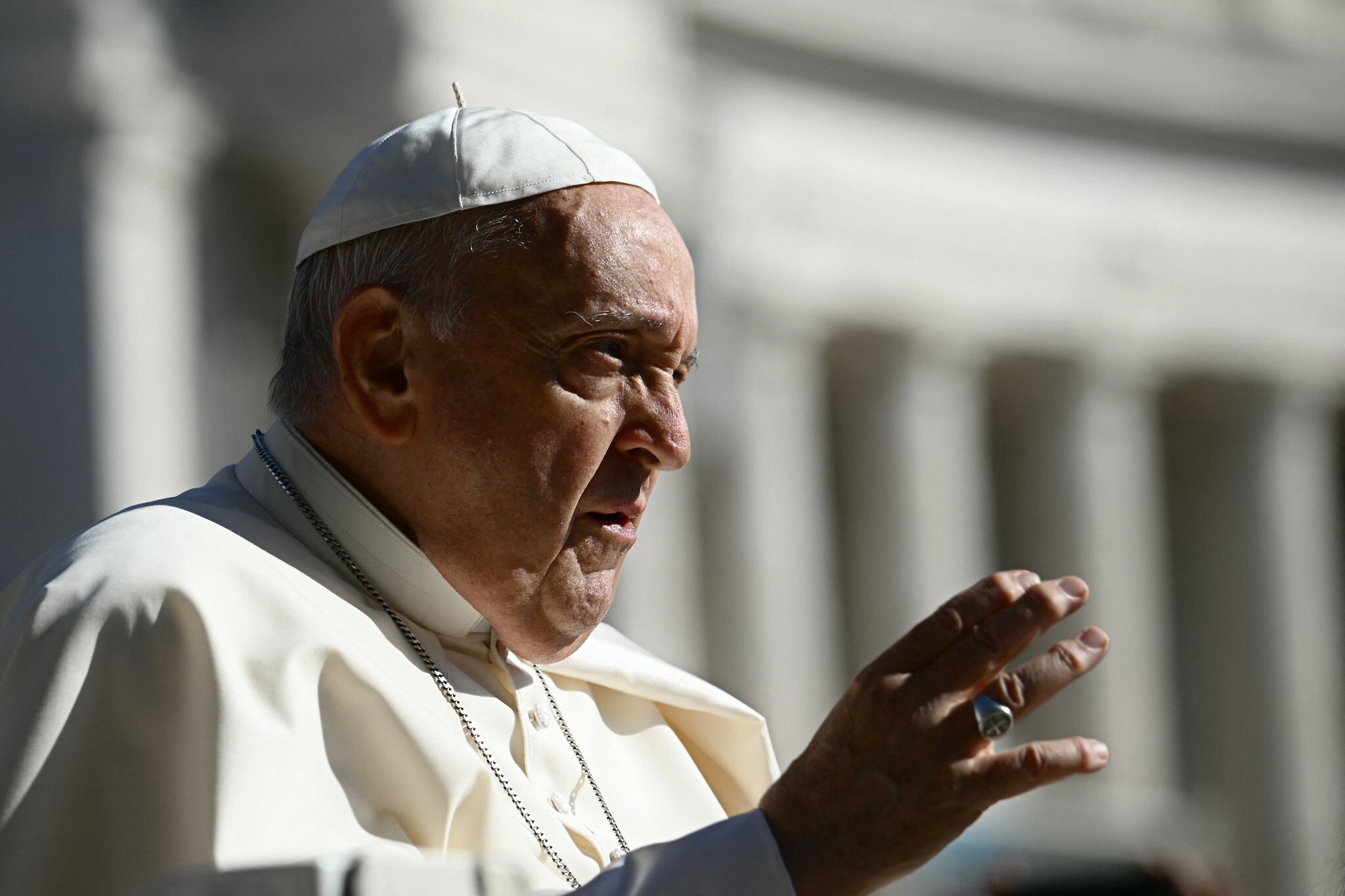
Pope Francis waves from the popemobile as he arrives for the weekly general audience on June 5, 2024 at St. Peter's Square in The Vatican. (Filippo MONTEFORTE / AFP)
VATICAN CITY, Holy See — Pope Francis expressed regret Wednesday that the lessons of World War II had not been learned, warning against the threat of a new widespread conflict ahead of the 80th anniversary of the D-Day landings.
“Men have a short memory,” the pope wrote in a letter to the bishop of Bayeux, northern France, near where the landings took place.
For decades, he said, “the memory of the errors of the past” had helped maintain the resolve to “do everything possible to avoid another open world conflict.”
But, he added: “I note with sadness that this is no longer the case today and that men have a short memory.
“It is worrying… that the hypothesis of a generalized conflict is sometimes once again being seriously considered — that people are little by little getting used to this unacceptable possibility.”
Get The Times of Israel's Daily Editionby email and never miss our top stories
Pope Francis has regularly denounced the consequences of what he refers to as a “piecemeal Third World War.”
France will on Thursday host international leaders at ceremonies to mark the 80th anniversary of the D-Day landings on June 6, 1944, in northern France.
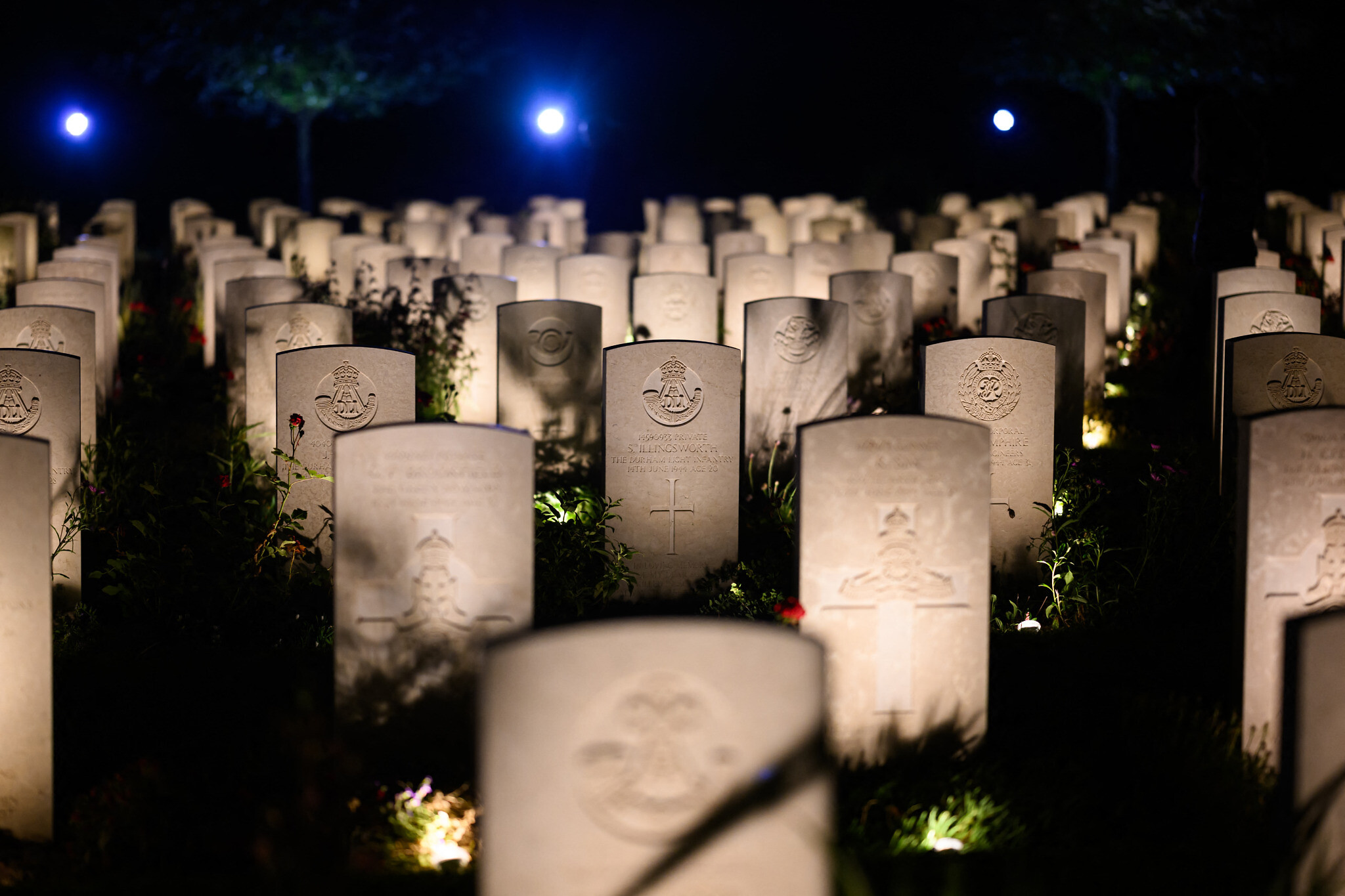
This picture shows illuminated graves at the Bayeux War Cemetery, in Bayeux, Northwestern France on June 5, 2024, as part of the “D-Day” commemorations marking the 80th anniversary of the World War II Allied landings in Normandy. (Photo by LOIC VENANCE / AFP)
French President Emmanuel Macron will host US President Joe Biden, King Charles III and Canadian Prime Minister Justin Trudeau.
Advertisement
Ukrainian President Volodymyr Zelensky will join the Western leaders in Normandy, northern France, at a ceremony to which no Russian officials have been invited because of Moscow’s invasion of Ukraine.
Help us report truthfully on social media
As a multimedia journalist, my job is to take the quality, fact-based journalism produced by The Times of Israel newsroom and make it accessible across every platform — from Instagram posts to podcasts to short-form videos.
This is how many, especially young people, consume news these days. But misinformation is rampant on social media. Our team at ToI produces accurate, responsible short-form reporting on Israel and the Jewish world.
If you believe in the importance of factual social media journalism, please consider joining our reader support group, The Times of Israel Community. Your financial support is essential to sustain responsible multimedia reporting.
We’re really pleased that you’ve read X Times of Israel articles in the past month.
That’s why we started the Times of Israel - to provide discerning readers like you with must-read coverage of Israel and the Jewish world.
So now we have a request. Unlike other news outlets, we haven’t put up a paywall. But as the journalism we do is costly, we invite readers for whom The Times of Israel has become important to help support our work by joining The Times of Israel Community.
For as little as $6 a month you can help support our quality journalism while enjoying The Times of Israel AD-FREE, as well as accessing exclusive content available only to Times of Israel Community members.
Thank you, David Horovitz, Founding Editor of The Times of Israel


 Add ToI as a Preferred Source on Google