

Saudi halts $3b aid to Lebanon, blames Hezbollah
Riyadh conducts ‘total evaluation of its relations’ with Beirut in light of terror group’s positions; money earmarked for French arms
 Add ToI as a Preferred Source on Google
DUBAI, United Arab Emirates — Saudi Arabia’s state-run news agency said Friday that the kingdom is halting $3 billion arms deal with Lebanon over the Mediterranean country’s recent diplomatic positions.
Saudi Arabia said the decision was in protest over Hezbollah, the Lebanon-based terror group allied to Iran that is fighting in support of the Syrian regime.
In light of positions taken by Hezbollah, the kingdom had conducted “a total evaluation of its relations with the Lebanese republic,” an unnamed official told the Saudi Press Agency.
The $3 billion program financed military equipment provided by France.
It added that the remainder of a $1 billion financing package for Lebanese security forces had been suspended, in a separate decision.
A Lebanese military source told AFP that the “Lebanese army command hasn’t been informed” of the Saudi aid halt.
Lebanon received the first tranche of weapons designed to bolster its army against jihadist threats, including anti-tank guided missiles, in April last year but the programme then reportedly ran into obstacles.
In June a French diplomatic source denied that the deal had been cancelled but said there were delays, while the Saudi Foreign Minister Adel al-Jubeir said the agreement was proceeding normally.
Hezbollah leaders are under sanction by Saudi Arabia, as well as by much of the West.
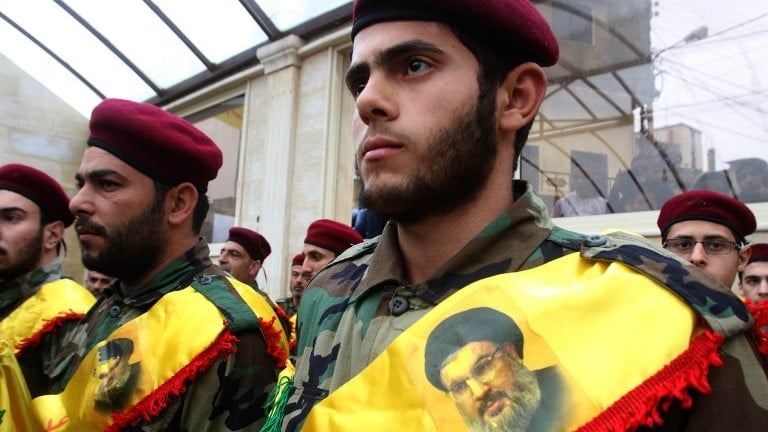
Sunni-ruled Saudi Arabia long has been suspicious of Hezbollah patron and Shiite power Iran, which supports the Lebanese group as well as Syria’s embattled President Bashar Assad.
Relations took a turn for the worse at the start of the year, when Saudi Arabia executed a prominent Shiite cleric and protesters stormed Saudi diplomatic posts in Iran.






The Times of Israel Community.