

Schools remain closed as workplaces reopen, prompting frustration from working parents
Employers can’t fire workers who stay home due to childcare needs amid war, but aren’t obligated to pay them; employees may need to use vacation days; decision draws political blowback
 Add ToI as a Preferred Source on Google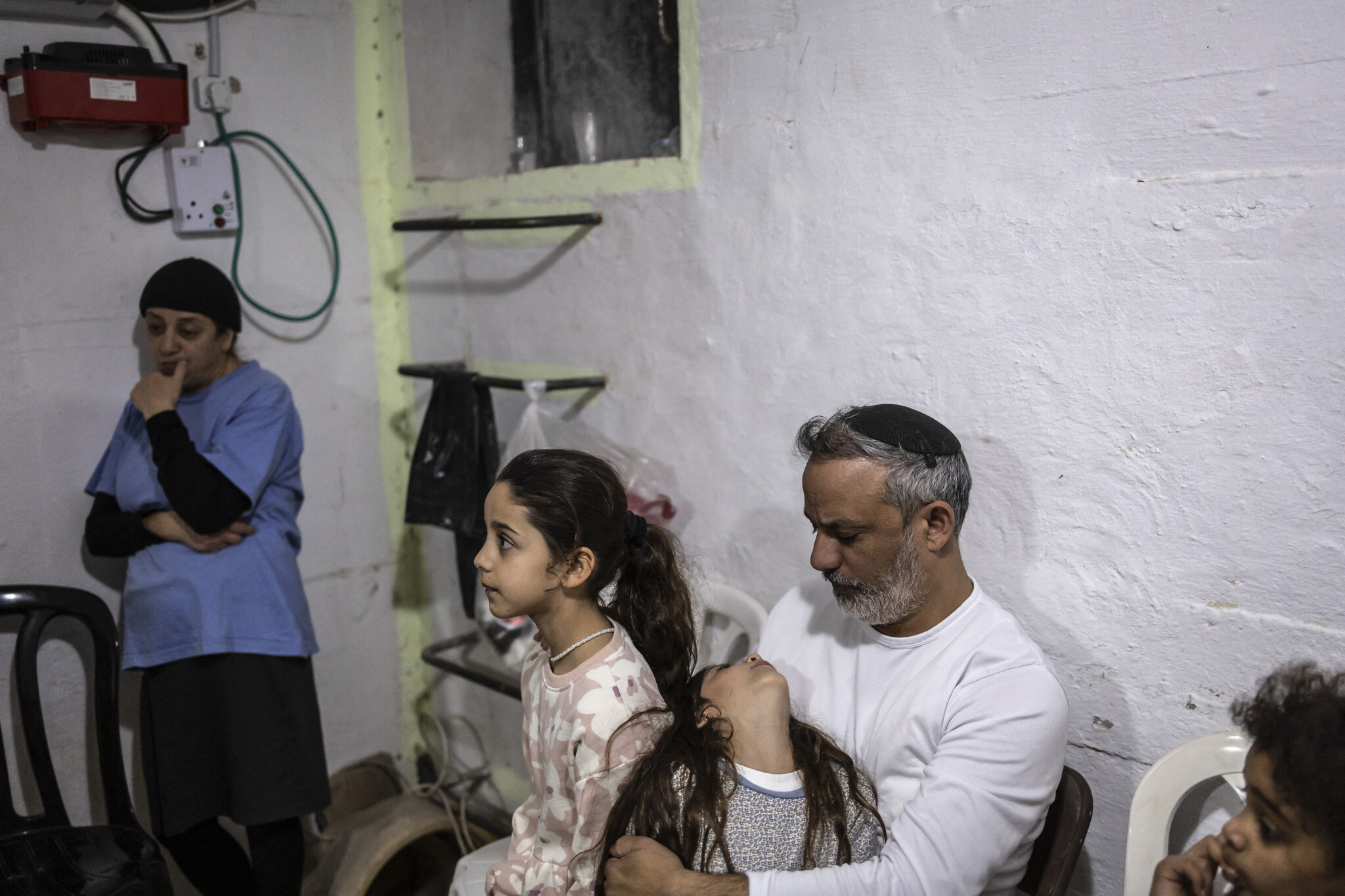
People across Israel started returning to work on Thursday afternoon for the first time since the start of the war with Iran on Saturday, but children remained home from school, after the IDF’s Home Front Command eased restrictions, moving from prohibiting all but “essential activity” to allowing “limited activity.”
The new instructions mean that most businesses and workplaces were able to reopen for in-person work beginning midday on Thursday, provided that a shelter could be reached in time in the event of incoming missile fire.
But the new rules do not allow for the resumption of in-person educational activities, meaning that schools must stay closed and remote learning will continue until at least the end of the week on Friday. Most Israeli students attend school six days a week, save for Saturday.
The move has prompted criticism, including from parents and members of Knesset, as in many instances parents will be required to return to work despite being needed at home for childcare, or will be forced to miss work in order to stay home with their children.
“This decision has direct implications for parents in Israel who are required to stay home with their children, and thus risk losing their livelihood,” National Parents Leadership, an advocacy group for parents of schoolchildren, warned in a statement carried by TheMarker, the business newspaper published by Haaretz.
The decision was “disconnected from reality” and made, it said, “based on the unreasonable assumption that the economy can operate when parents are required to stay home to support their children physically and emotionally during a time of war.”
The decision to allow a return to work was prompted, at least in part, by the Finance Ministry requesting a gradual, partial reopening of businesses and workplaces to limit damage to the economy, which was predicted to reach NIS 9.4 billion ($3 billion) per week, if nationwide restrictions on economic activity remained in place.

According to an overview of the legal rights of working parents published by the Ynet news outlet, a person cannot be fired for missing work due to the closure of their child’s educational institution. This applies to parents with a child under the age of 14, or 21 if the child has special educational needs.
The workplace is not obligated to pay the employee for the days they were unable to work, however, and may require them to take the days out of their annual vacation day package.
The Home Front Command is scheduled to conduct another assessment over the weekend and may decide to allow educational institutions to reopen starting next week.
Opposition Leader Yair Lapid, who chairs the Yesh Atid party, accused the government’s wartime policies of being “confused” on Thursday, and criticized the “unacceptable” lack of coordination between the Education Ministry, Finance Ministry, and local authorities.
“The situation is particularly severe in special education, where there is no solution for children and young people with special needs,” Lapid wrote on X, demanding that the Prime Minister’s Office coordinate with “all the relevant bodies and bring order.”
Yesh Atid lawmaker Yorai Lahav Hertzanu also addressed the matter during a session of the Knesset Internal Affairs and Environment Committee on Thursday, asking, “How can it be that we are starting to reopen the economy without any educational institutions?”
“What are working people supposed to do when their children are at home without any educational framework? What is it supposed to look like?” he asked.
Emanuel Fabian contributed to this report.










The Times of Israel Community.