

‘They’re not easy’: Board of Peace envoy admits Hamas disarmament talks stalled
After terror group ignored his first ultimatum, Nickolay Mladenov says an agreement must be reached within two weeks or loss of momentum will be too difficult to overcome
 Add ToI as a Preferred Source on Google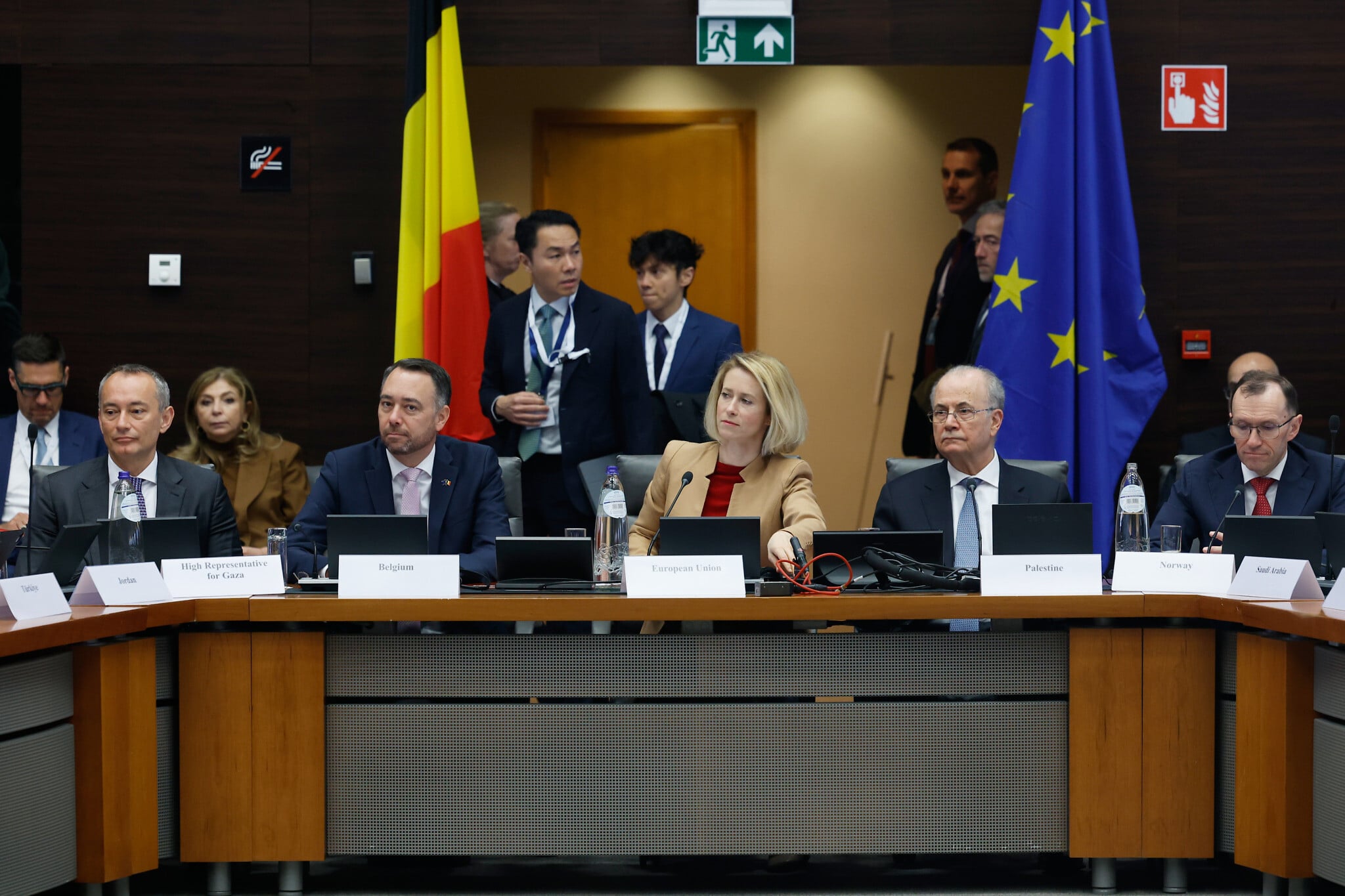
The Board of Peace’s lead envoy for Gaza admitted Monday that talks with Hamas on disarmament were going to take more time, even though the ultimatum he gave for the terror group to accept his proposal on handing over its weapons expired nine days earlier.
“We’ve had some very serious discussions with Hamas over the last few weeks. They’re not easy,” Nickolay Mladenov told Reuters in an interview during a visit to Brussels. “I’m fairly optimistic that we will be able to come up with an arrangement that works for all sides and, most importantly, works for the people in Gaza.”
US President Donald Trump introduced the Board of Peace in September to oversee his plan to end the Israel-Hamas war, subsequently saying the body would tackle other conflicts as well.
The UN Security Council went on to recognize the board, which is chaired by Trump, though many world powers have not joined.
Trump’s Gaza plan, which was initially embraced by Israel and Hamas, calls for Israeli troops to withdraw from Gaza and reconstruction to start as Hamas lays down its weapons.
The disarmament of Hamas has been a key sticking point in talks to implement the plan and cement the ceasefire reached in October, which halted two years of full-blown war triggered by Hamas’s October 7, 2023, invasion of southern Israel. Violence has continued in the Gaza Strip, much of which remains in ruins.
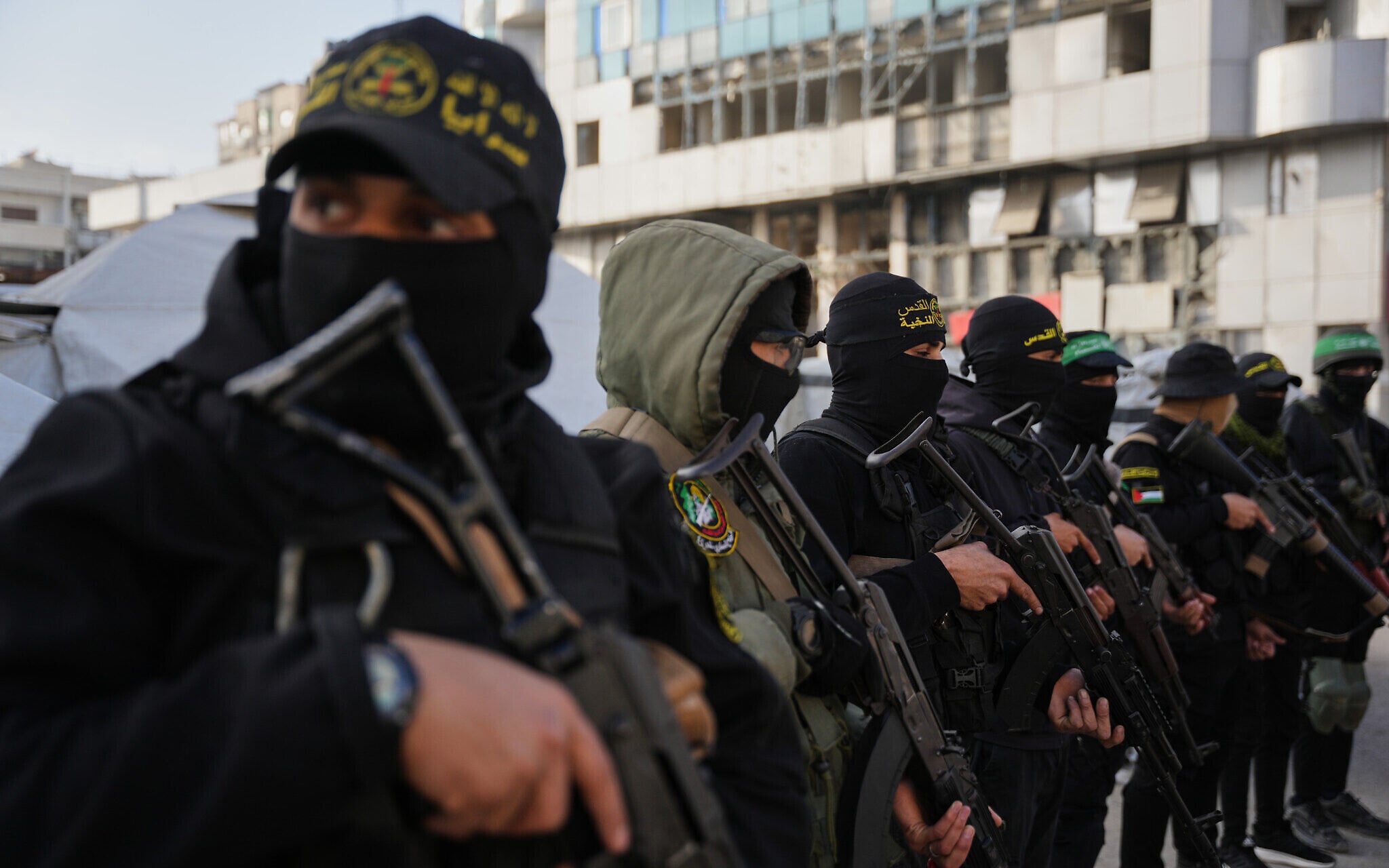
Mladenov has been holding talks with Hamas leaders for weeks, and toward the beginning of the month gave the group until April 11 to accept the Board of Peace’s proposal for it to gradually hand over all of its arms.
The plan, partially leaked to the media, follows an eight-month timeline, beginning with Hamas handing over its heavy weaponry and maps of its tunnel network within 90 days.
Hamas said willing to give up automatic rifles, ‘other weapons’
The New York Times reported Monday that Hamas has countered with its own proposal, under which it would give up thousands of automatic rifles and “other weapons” held by its internal security forces while maintaining the rest of its arsenal.
While the offer marked the first time Hamas has expressed willingness to give up at least some of weapons, it still falls well short of the Board of Peace’s proposal, which requires the complete disarmament of all Gaza terror groups.
The counteroffer would also allow Hamas to hold onto its heavy weapons, such as rockets and missiles, which are supposed to be handed over first along with maps of Gaza’s underground tunnel network, according to the Board of Peace’s proposal.
The Hamas proposal also stipulates that its internal security forces will hand over their weapons to the National Committee for the Administration of Gaza, the technocratic panel set up by the Board of Peace to govern the Strip.
The two Hamas officials cited by the New York Times did not provide a clear answer when asked if the NCAG could seize weapons belonging to Hamas’s military wing.
Hamas claims to target Israeli-backed militias in Khan Younis
While the NCAG was formally established in January, the Board of Peace has held off on installing the new government in Gaza until enough progress has been made in stabilizing the situation there and creating the conditions for the technocratic government to succeed.
While Hamas has expressed interest in having the NCAG replace it in running Gaza, it has continued to work on reestablishing its dominance in the Strip.
Palestinian media outlets in Gaza affiliated with Hamas published footage on Monday showing armed men firing guns in Khan Younis, claiming they were Hamas operatives targeting militias backed by Israel.
كمين للمقاومة يستهدف ميليشيا متعاونة في خان يونس
تقدمت مجموعة من ميليشيات متعاونة مع الاحتلال صباح اليوم نحو منطقة قريبة من "الخط الأصفر" في خان يونس، حيث تجمع عدد من الأهالي ووقعت مناوشات محدودة.
وخلال انسحابها باتجاه "المنطقة الصفراء"، نفذت المقاومة كميناً محكماً استهدفها، ما… pic.twitter.com/mAT3Hh49PP— غزة 24 | التغطية مستمرة (@Gaza24Live) April 20, 2026
Hussam al-Astal, the leader of a militia in the Khan Younis area established last year and supported by Israel, told The Times of Israel that Hamas operatives opened fire on around 20 of his fighters as they were finishing distributing food to civilians in central Khan Younis.
“We were there for three hours — Hamas wasn’t there. As we were leaving, they hid among the people, opened fire, and launched an RPG at us,” al-Astal said.
According to him, one militia member was killed in the attack and two others were lightly wounded. He added that while the fighters were armed, they did not return fire in order to avoid harming Palestinian civilians who were present at the scene. After the shooting stopped, they left the area.
Also Monday, the IDF said two Hamas operatives “who posed an immediate threat” were killed in separate strikes in the Gaza Strip over the 24 hours.
צה"ל חיסל שני מחבלים מארגון הטרור חמאס שתכננו לבצע מתווי טרור נגד כוחות צה"ל בטווח הזמן המיידי
כוחות צה"ל בפיקוד הדרום תקפו במרכז רצועת עזה וחיסלו אתמול, את האיימן חוסנה, מחבל מארגון הטרור חמאס שייצר ותיקן אמצעי לחימה שנודעו לשמש מחבלים מארגון הטרור חמאס לבצע מתווי טרור נגד… pic.twitter.com/oeiZqNj2LJ
— צבא ההגנה לישראל (@idfonline) April 20, 2026
The first strike in central Gaza on Sunday killed Ayman Housna, a Hamas operative who the IDF says was involved in manufacturing and repairing weapons for the terror group.
The second strike, carried out earlier today, killed Anas Khaled Safi, a Hamas operative who the IDF says was planning an “imminent” attack on troops.
“Both terrorists posed an immediate threat to the troops and were eliminated in precise aerial strikes,” the military said.
Risk of losing momentum
In the interview with Reuters, Mladenov said work was underway on an implementation plan that would include disarmament, new governance in Gaza and provisions for an Israeli withdrawal.
“It obviously will take time, but we’re trying to make sure that the arrangements for the implementation of the plan are agreed to as quickly as possible,” Mladenov, a former UN Middle East envoy and Bulgarian politician, said.
Intense day at the #AHLC in Brussels with @AliShaathNCAG, who presented @NCAG priorities, and @BoardOfPeace delegation. Thank you @kajakallas, @EspenBarthEide, @HFalconerMP, @dubravkasuica, @SwissEnvoyMENA and many others for your engagement, continued support and understanding.… pic.twitter.com/eTKll0ROmp
— Nickolay E. MLADENOV (@nmladenov) April 20, 2026
Asked about when an agreement could be reached on implementation, Mladenov said: “We have a matter of days, maximum a couple of weeks, that is my assessment. Because otherwise we will lose the momentum of what we have, and then every decision will become even more difficult.”
While declining to comment on the details of ongoing negotiations, the envoy said he believed there was “a good way forward that is being discussed with both sides.”
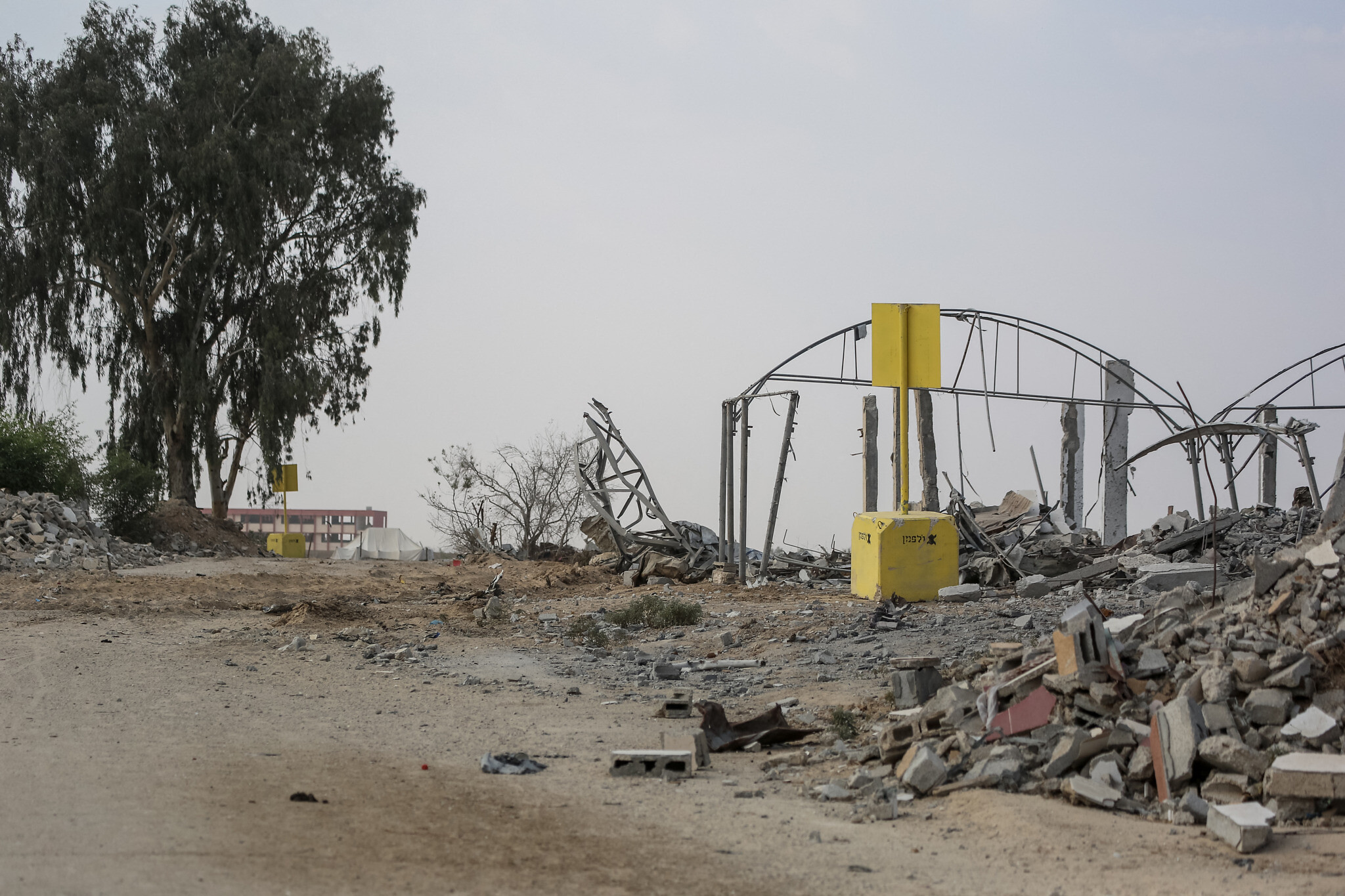
One of the issues under discussion was the Yellow Line demarcating the territory Israel has occupied since the October ceasefire, Mladenov said. Reuters has reported that Israel has moved the Yellow Line deeper into Gaza.
“There’s a whole set of issues that need to be handled on the ground, including the Yellow Line,” Mladenov said, adding that matters such as access for aid and medicine were also under discussion with Israel.
He also pointed to some changes on the ground.
“We’ve been able to, over the last few days, gradually and very carefully increase the number of people that are allowed to cross through the Rafah crossing. We’re looking at increasing the number of trucks of goods that are going into Gaza,” he said. The Rafah crossing connects Gaza to Egypt.
There is also a need to build trust, Mladenov said.
“It’s a very complicated process,” he said. “But it is a process that is taking a lot of small steps to get us ultimately to an agreement on the full implementation of the plan.”
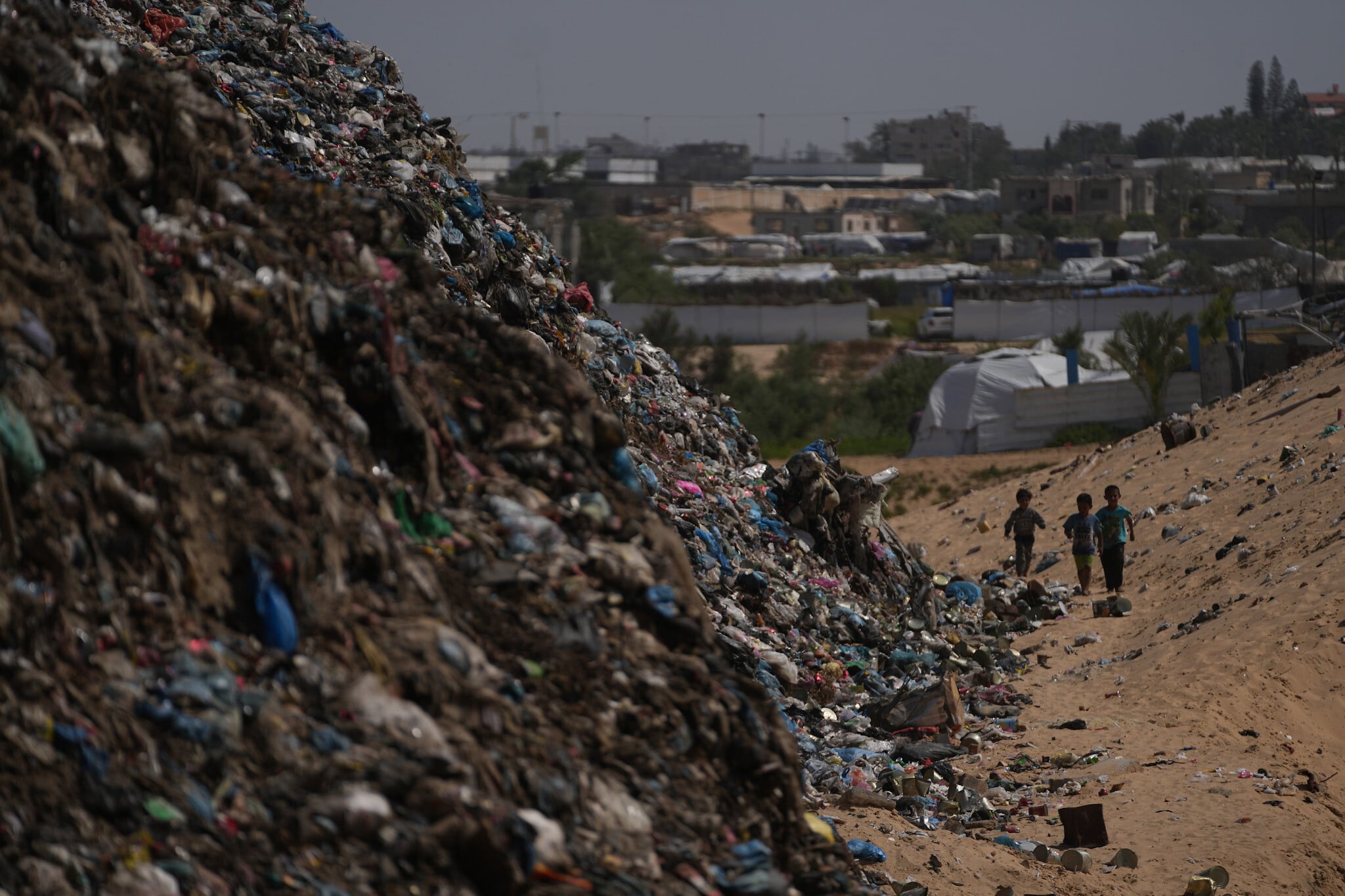
Trump in February said that US allies have contributed over $7 billion to relief efforts in Gaza and that the US will contribute $10 billion to the Board of Peace. Reuters has reported that the Board of Peace has only received a fraction of what was pledged.
“All the monies that were committed in Washington are there for the Board of Peace,” Mladenov insisted. “We don’t have any financial issues related to the work of the Board of Peace.”
Member states can earn permanent membership of the board by paying $1 billion.
More than $71 billion will be needed over the next decade for recovery and reconstruction in war-ravaged Gaza, according to the Gaza Rapid Damage and Needs Assessment developed by the United Nations and the European Union, in coordination with the World Bank, which was published on Monday.





The Times of Israel Community.