 Add ToI as a Preferred Source on Google
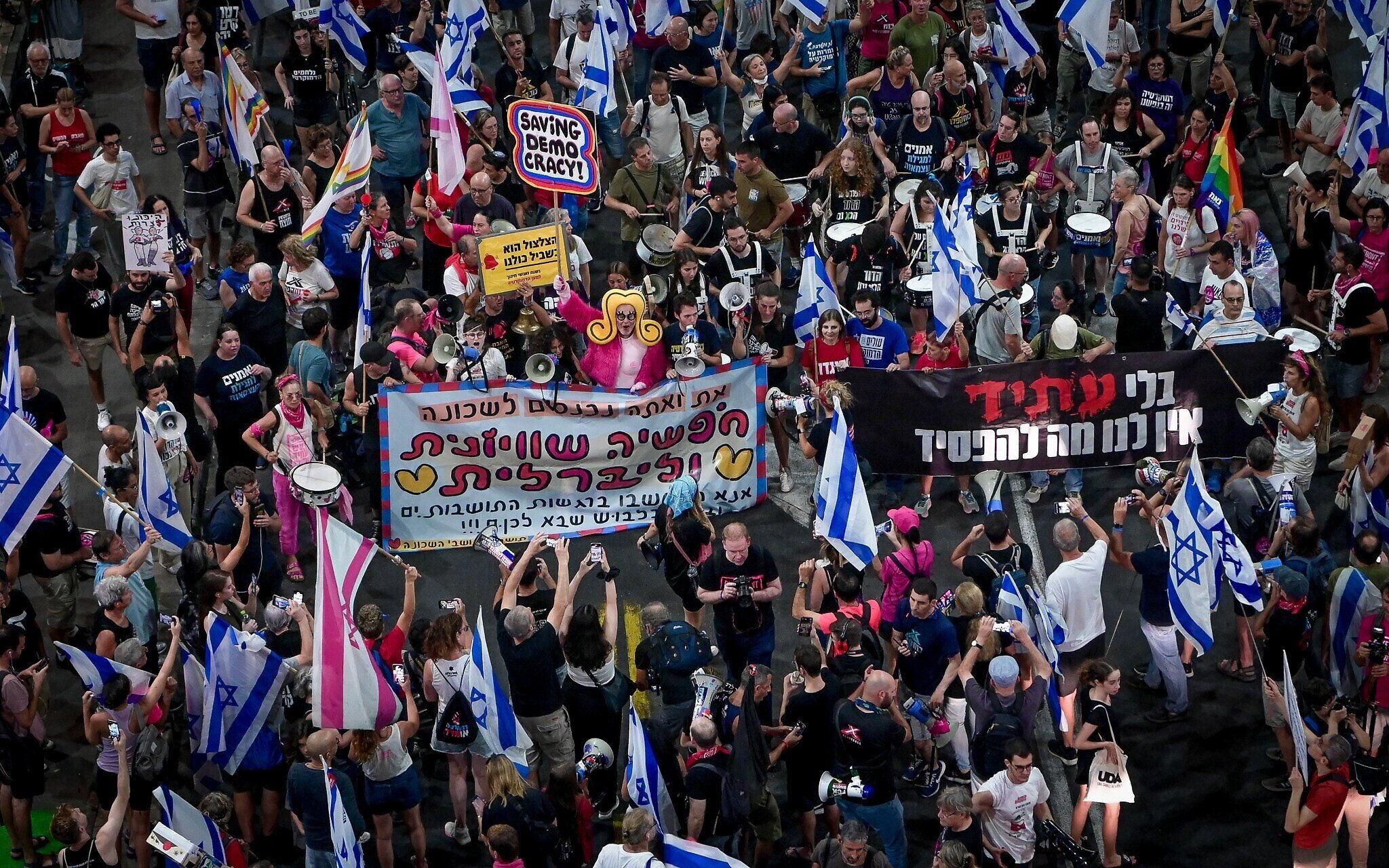
As Israel began to emerge from its 12-day war with Iran following nearly two years of conflict in Gaza, where terror groups continue to hold dozens of hostages both alive and dead, the political battle over judicial reform that fractured Israeli society in 2023 quickly resurfaced.
A hearing on the pending dismissal of Attorney General Gali Baharav-Miara in Jerusalem on Monday has left no doubt that with public attention fixated on external threats, government officials have resumed efforts to weaken institutional checks, raising renewed concerns among legal scholars and democracy advocates.
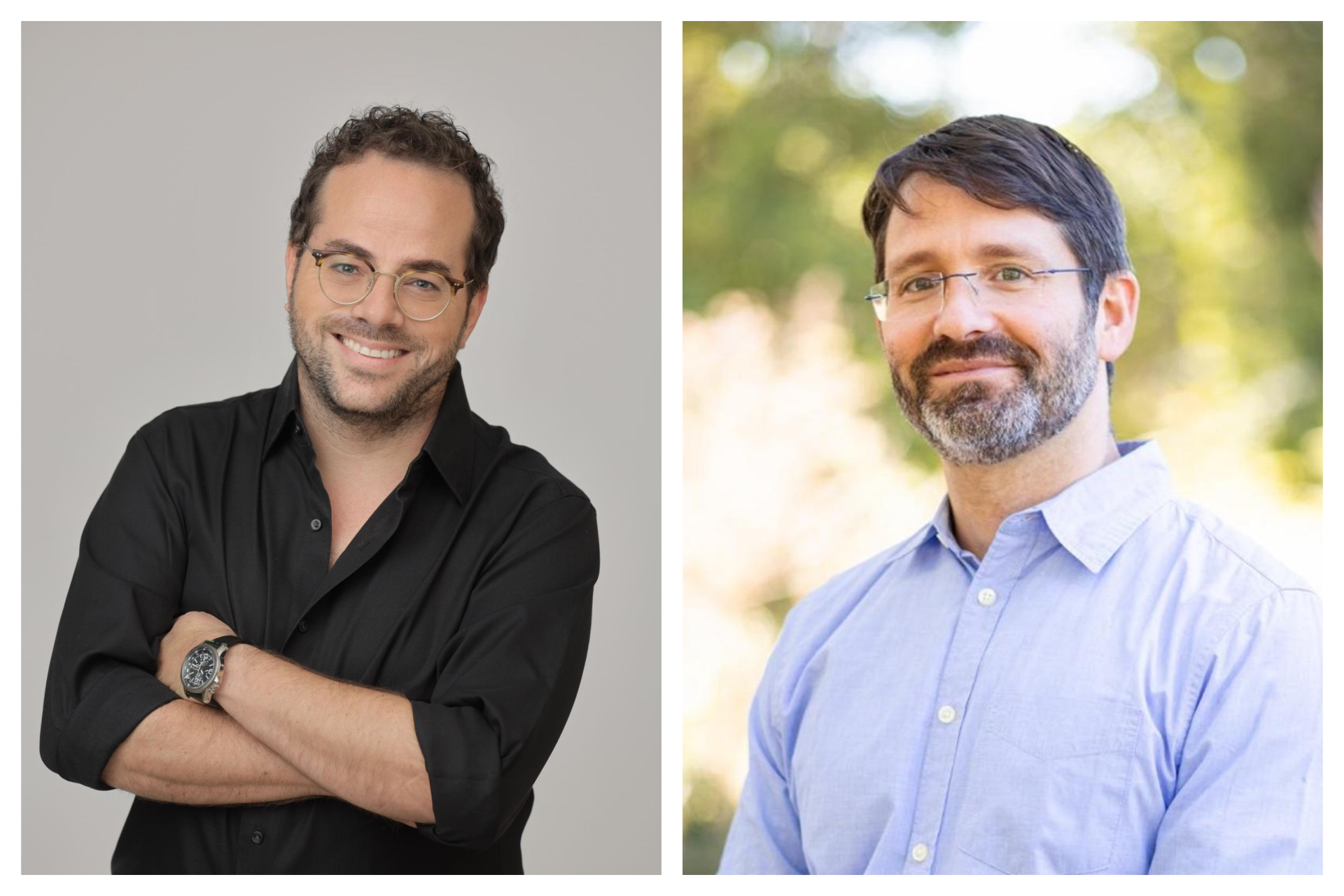
Prof. Noam Gidron and Prof. Yaniv Roznai have been studying Israel’s democratic institutions since well before 2023, when the Netanyahu government’s planned judicial reforms thrust their academic concerns into the center of a national crisis.
Both believed that in the wake of the October 7, 2023, Hamas-led invasion of Israel, the Netanyahu government would halt its controversial legislative agenda in the face of existential threats and calls for unity. However, recent months have made clear that what Gidron and Roznai see as an assault on democratic institutions is moving ahead full steam — albeit more slowly and gradually.
“Instead of huge reforms, it now comes in small increments,” says Roznai, a constitutional law expert at Reichman University whose work has been cited by supreme courts from Brazil to India.
Gidron, a Hebrew University political scientist whose research traces how democratic erosion unfolds globally, notes how this piecemeal approach takes advantage of public distraction: “Unlike 2023, the public attention is not on the judicial overhaul. But the same aims of the judicial overhaul are here, basically undermining independent institutions and gatekeepers.”
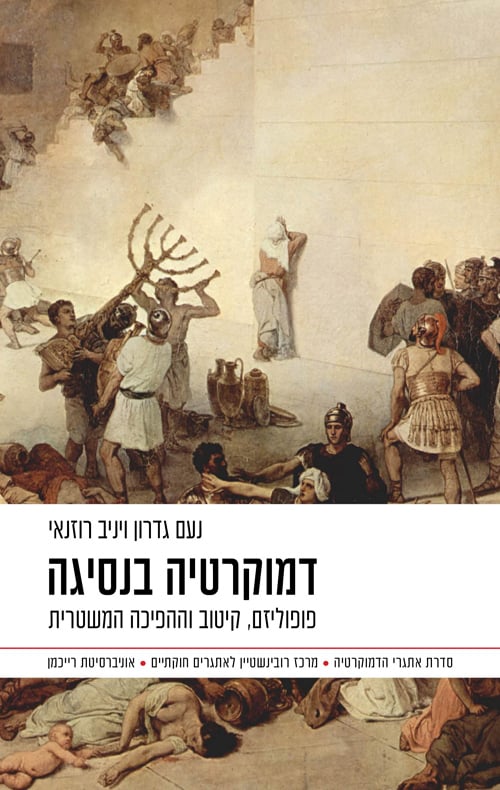
In their new Hebrew-language book “Democracy in Retreat,” Gidron and Roznai examine Israel’s democratic backsliding in its international context, arguing that Israel suffers from the two forces plaguing democracies worldwide — populism and polarization — but with fewer institutional checks to restrain politicians eager to change the rules of the game in their favor.
Since early 2023, Gidron and Roznai have emerged as prominent voices not just in academic circles but in Israel’s pro-democracy movement. Gidron’s data-driven work on polarization and political trust has appeared in leading academic journals and been featured in The Economist, The Washington Post, and the BBC. Roznai, meanwhile, co-founded the Israeli Law Professors’ Forum for Democracy — a group that has authored dozens of legal briefs against the judicial overhaul, advised lawmakers, and helped galvanize public protest.
Despite their deep concerns about the future of Israeli democracy, both remain convinced that collective action can turn things around and that Israel can serve as a model for other countries facing democratic threats.
As Roznai puts it: “One of the greatest things of the protest movement was how first the public was able to work collectively against the judicial reform, but also professionals, academics… if there is one thing that we have learned in Israel on how to tackle populist projects, it’s work fast, work together.”
The Times of Israel spoke with Gidron and Roznai last month about how they understand Israel’s democratic fragility, how war has reshaped Israel’s political climate, and why they believe electoral change alone is not enough.
Times of Israel: Let’s start with the big picture. What is democratic backsliding, and how do we know when it’s happening?
Yaniv Roznai: Democratic backsliding is when you have a decrease in the core elements of liberal democracy — mainly competitive elections, fundamental rights, and the rule of law. The biggest problem in identifying it is that it’s usually legal, incremental, and very gentle. It doesn’t happen with a dramatic announcement that a country is no longer a democracy. Instead, it unfolds gradually, which is why it’s gone largely unchecked for the past 19 years in many places around the world.
‘Democratic backsliding is when you have a decrease in the core elements of liberal democracy — mainly competitive elections, fundamental rights, and the rule of law’
Noam Gidron: Oftentimes when we think of threats to democracy, we imagine something from the mid-20th century — tanks in the street or violent coups. But in the past two decades, democratic erosion has mostly been carried out by democratically elected governments using legal and constitutional tools to destabilize checks and balances. That’s what makes it harder to recognize — we think, “Well, they were elected, so whatever they do must be democratic.” But that’s not the case.
One of your key arguments is that populism and polarization together create a dangerous mix. Can you explain how?
Gidron: Populist leaders see themselves as representatives of the “real people” in their fight against the malicious elites — and therefore, they should not be constrained by institutions such as the courts. But it turns out that democratic transgressions by populist leaders aren’t always very popular among the general public. This is where polarization plays a crucial role — specifically, affective polarization, or dislike and hostility toward political opponents. When people not only disagree with the other side but deeply dislike and distrust it, they’re more willing to tolerate undemocratic behavior by their own populist leaders. In our research, the strongest predictor of which right-wing voters supported the judicial overhaul was not so much abstract perceptions of democracy, but rather how much they liked Netanyahu and disliked their political opponents.
‘Populist leaders see themselves as representatives of the “real people” in their fight against the malicious elites — and therefore, they should not be constrained by institutions such as the courts’
Roznai: That’s the crucial dynamic. A populist leader has an incentive to deepen polarization — because the more polarized society is, the less the base will punish their own leaders for anti-democratic moves. It’s a feedback loop that makes democracy more fragile.
Your book suggests that the Likud Party today resembles far-right populist parties in Europe more than traditional center-right ones. What’s the evidence?
Gidron: When we look at expert surveys on populist rhetoric, Likud ranks closer to parties like Law and Justice in Poland or Fidesz in Hungary, rather than mainstream conservative parties like the German CDU. That speaks volumes about how far the party has moved. It’s not a sudden shift, but if you compare over time, especially since around 2015, you can see a deepening embrace of populist discourse.
What makes Israel especially vulnerable to democratic erosion?
Roznai: Institutionally, Israel lacks almost all of the checks and balances you find in other liberal democracies. We don’t have a rigid constitution — only Basic Laws, which are incredibly easy to change. We don’t have a second legislative chamber, a federal system, or regional elections. If tomorrow the Knesset wants to declare you the king of Israel, it could do so with a simple majority and no procedural hurdles.
Gidron: There’s a tendency by defenders of the judicial overhaul to cherry-pick, saying things like, “In the US, politicians select judges too.” But they ignore the broader context: in the US, you have a rigid constitution, federalism, and an independent Bill of Rights. You can’t just transplant one element from another democracy and expect it to function the same way. That’s what we call abusive borrowing — you end up creating a Frankenstate, not a liberal democracy.

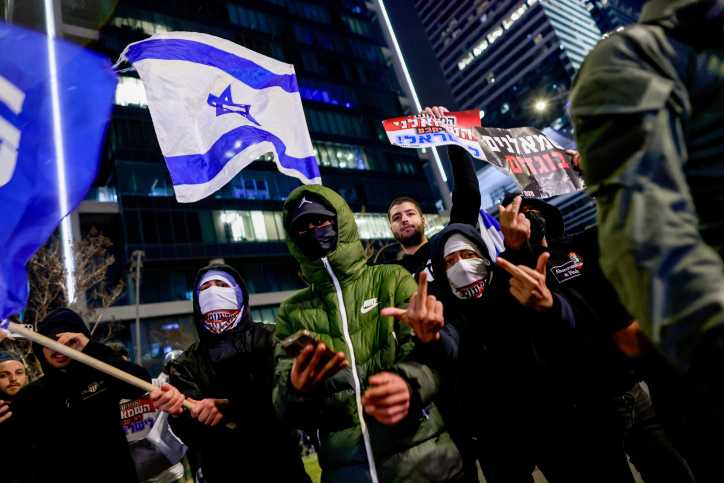
In recent weeks, we’ve seen renewed public attacks on the judiciary, including rallies outside the Supreme Court and efforts to dismiss the attorney general. Are we seeing a return to the 2023 judicial overhaul?
Roznai: At first, after October 7, many people thought the judicial overhaul was dead — that the government would shift its focus to security. But those days are gone. The government is still pursuing its populist agenda, just more quietly. Instead of big constitutional changes, they’ve turned to administrative decisions, regulations, and private bills — all at the subconstitutional level. And it’s happening under the fog of war, when the public is focused on Gaza and the hostages.
The unique thing about Israeli populism is that it’s security-based. After October 7, the government tried to paint the judiciary — the Supreme Court, the attorney general, even the IDF’s legal advisers — as enemies of the state. The court is accused of helping Hamas, just for ruling on humanitarian cases. This creates a scapegoat for their base. Even if they know they can’t legally fire the attorney general, they pursue it anyway because it helps stoke anger among their supporters.
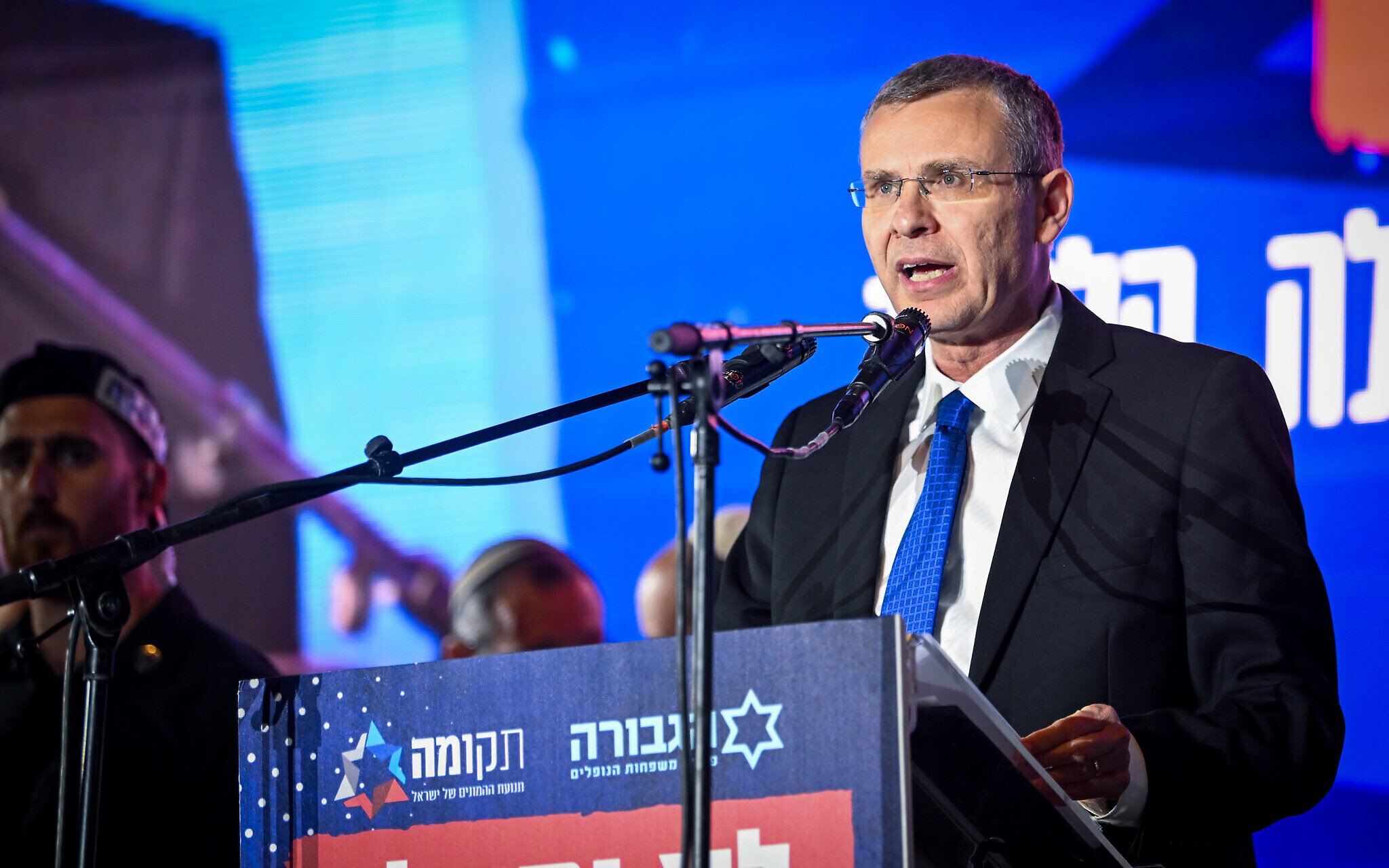
Israel is under constant international scrutiny for its conduct in the West Bank and military operations in Gaza. How do these issues — such as the possibility of new settlements in Gaza or West Bank annexation — relate to the issue of democratic backsliding?
Roznai: One of the aims of this coalition in trying to get rid of the judiciary and the attorney general is that these two bodies were perhaps the sole organs in the state that have blocked various attempts at annexation and pushing forward the occupation.
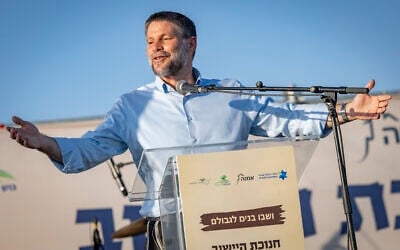
So it’s not a coincidence that [Finance Minister Bezalel] Smotrich, one of his first aims was to get rid of the attorney general and the court, because they are the ones that can block, and have been blocking in recent years, these various attempts.
There’s also the issue of legal advisers. When you have independent and strong legal advisors — in the military and within the Attorney General’s office — they can make sure that combat is conducted according to international humanitarian law. When you no longer have those independent legal advisers who will guard the rule of law, even in the conduct of hostilities? This is something very worrying.
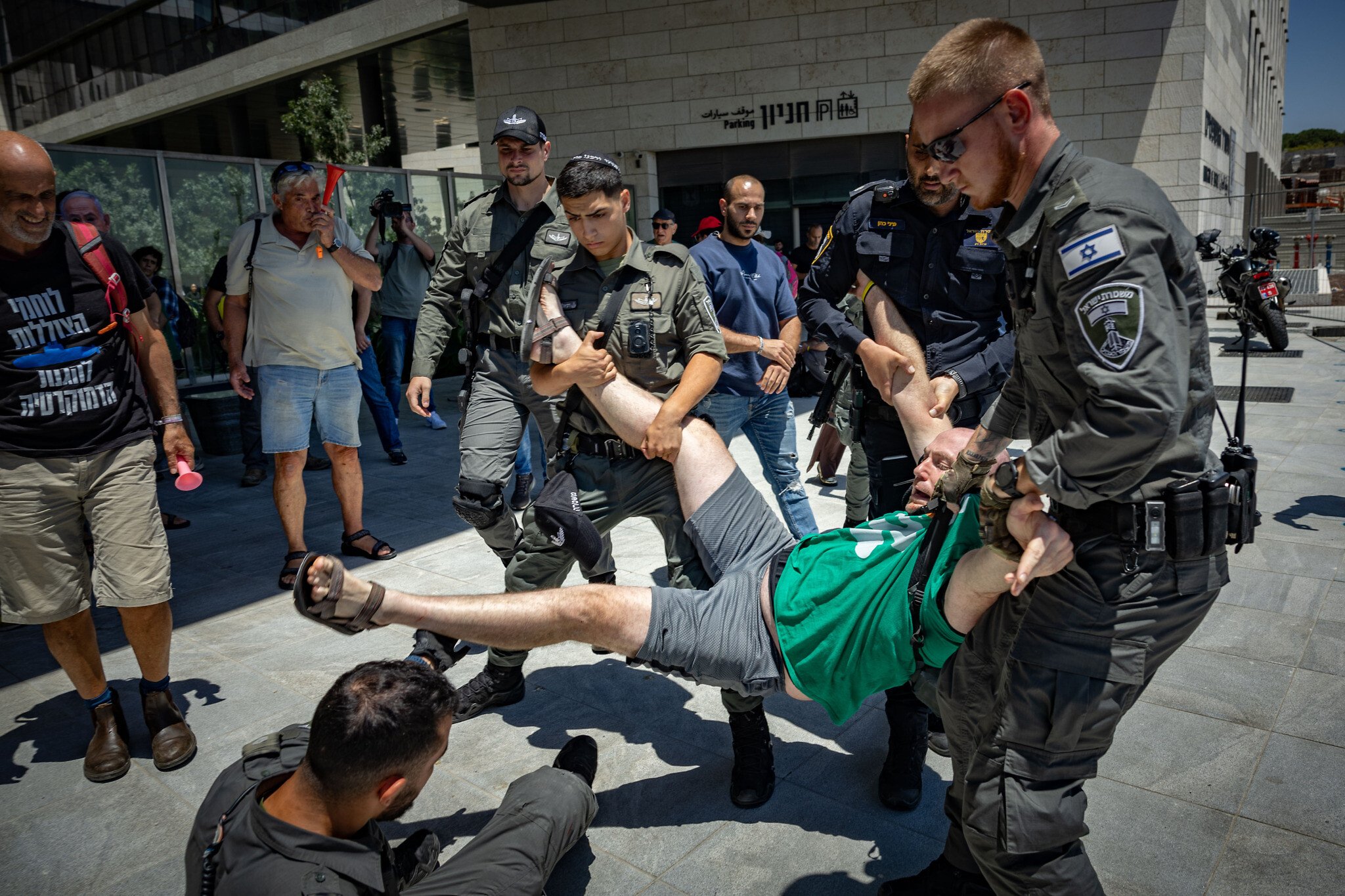
If this government is defeated in the next election, is the threat of democratic backsliding over?
Gidron: No, populism is here to stay. Even if this government falls, the next one could use the same tools. Once they’re in the political toolbox, it’s hard to resist using them. That’s why we argue that defenders of democracy need to go beyond blocking bad reforms. The liberal camp has to move from blocking to advancing. It’s not enough to just oppose judicial overhauls. There has to be a proactive plan to deal with the structural weaknesses in Israeli democracy — to make it more representative, more resilient, and more inclusive.
Roznai: And we have to be clear: populism arose in part because of real failures in liberal democracy — inequality, insecurity, identity crises. Unless we address those, the populist appeal won’t go away.

The Times of Israel Community.