Add ToI as a Preferred Source on Google
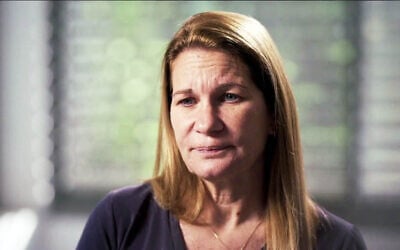
LONDON — British parliamentarian Ruth Deech had a bird’s-eye view of the BBC’s attitude towards Israel when she served on its governing body 20 years ago during the Second Intifada and the 2006 Second Lebanon War.
Then, as now, since conflict erupted following the October 7, 2023, Hamas-led onslaught on Israel, a furor roiled the UK’s public broadcaster over its coverage, which many see as unfairly biased against the Jewish state.
“It hasn’t changed at all,” Deech, a prominent academic who sits as an independent in the House of Lords, told The Times of Israel in an interview.
“There is a sort of ‘group think’ — an elite, well-educated, sophisticated, southern British mindset — which is very well meaning, adopts liberal causes, but is very easily influenced to believe that there is just one liberal cause and only one side to it,” she said.
“When I was a BBC governor, you walked through the studios, and there were piles and piles of Guardian newspapers and hardly anything else,” she said, referring to Britain’s leading left-wing publication.
That mindset, Deech believes, includes “an absolute obsession over Israel” prevalent within, but by no means confined to, the BBC.
Like all journalists, staff at the corporation dislike their reporting being challenged, but this is exacerbated at the BBC by what Deech terms “an inflated notion of their trustworthiness.”
“They believe in what they’re doing, and they think they must be right,” she said. They don’t want to be challenged. I used to say to them, ‘Yes, the public trusts you, but being trusted is not the same as being accurate.’”
Deech recalls that when she was a BBC governor — a member of a board of outside appointees entrusted with setting strategy and overseeing editorial independence — during the Second Lebanon War, she put together a dossier of 17 incidents that she had personally heard of or seen where the reporting was inaccurate or the photographs false. All but one complaint was rejected.
“That was alarming because I cut through the normal procedure,” said Deech. “I went straight to the top.” It remains the case, she added, that it is “more difficult to get a complaint accepted by the BBC than it is to put a camel through the eye of a needle.”
Surveillance camera footage from Netiv Haasara shows a large barrage of rockets being launched from northern Gaza, followed by a massive blast in the Strip, apparently caused by a failed projectile. pic.twitter.com/PdNCbks02r
— Emanuel (Mannie) Fabian (@manniefabian) October 17, 2023
Last year, Deech and Danny Cohen, the former director of BBC Television, published a report examining the corporation’s reporting of Israel’s war in Gaza. The report — which was endorsed by the Board of Deputies of British Jews, the Jewish Leadership Council, the Community Security Trust and UK Chief Rabbi Ephraim Mirvis — alleged that whenever it is “faced with the choice of whose account or narrative to believe, it seldom points in Israel’s direction. For Hamas in this war, proof is rarely necessary. For the IDF and Israel, proof is rarely enough.”
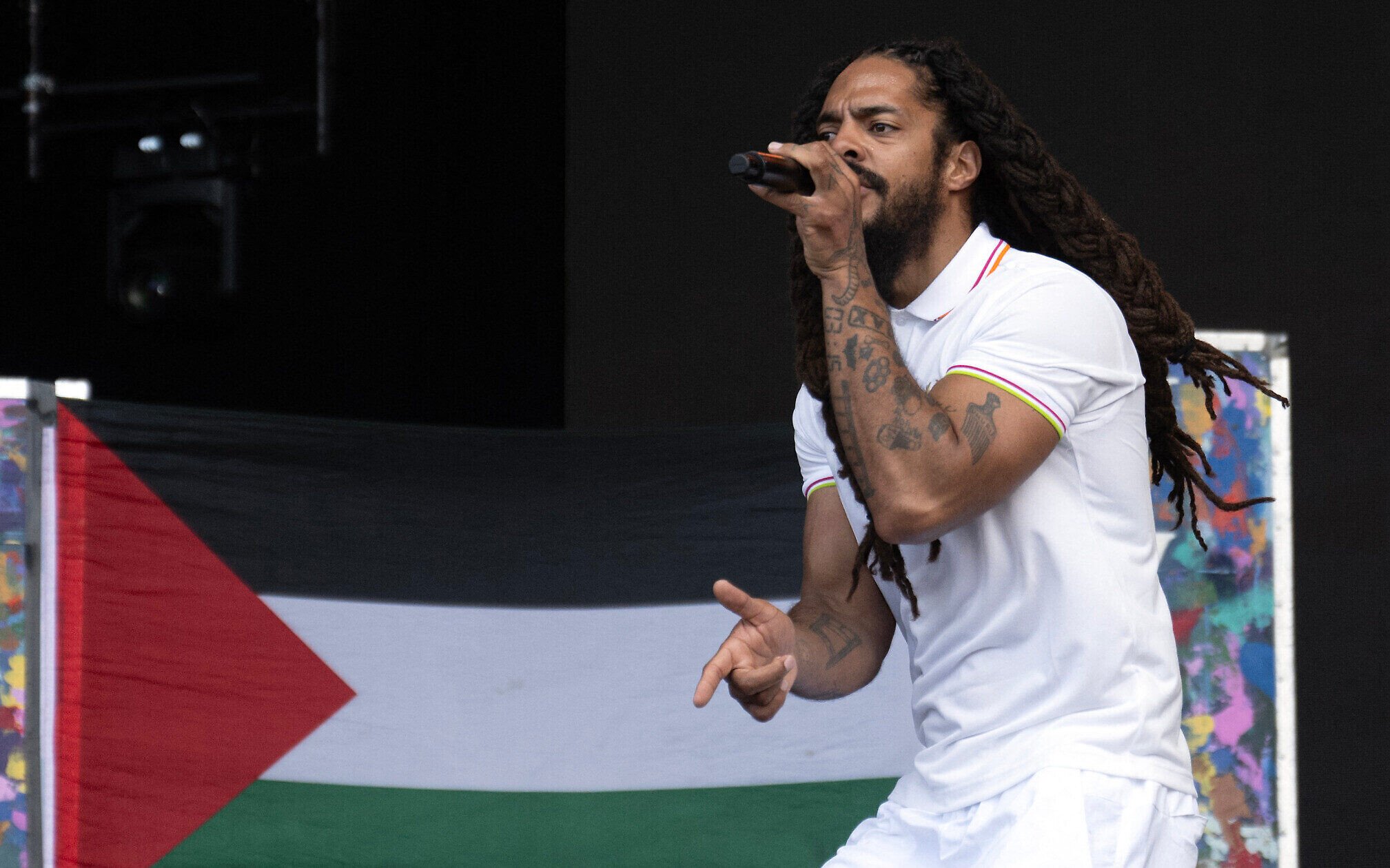
Its publication followed a series of rows over BBC reporting and coverage of the war. These included the corporation’s initial refusal to term Hamas a terrorist group; a widely shared news alert that falsely blamed Israel for the Al-Ahli Hospital blast in the early weeks of the war; the screening of a documentary narrated by the13-year-old son of Hamas’s deputy minister of agriculture; and the failure to pull the plug on a live broadcast from the Glastonbury music festival in which the rap-punk duo Bob Vylan chanted, “Death, death, to the IDF.”
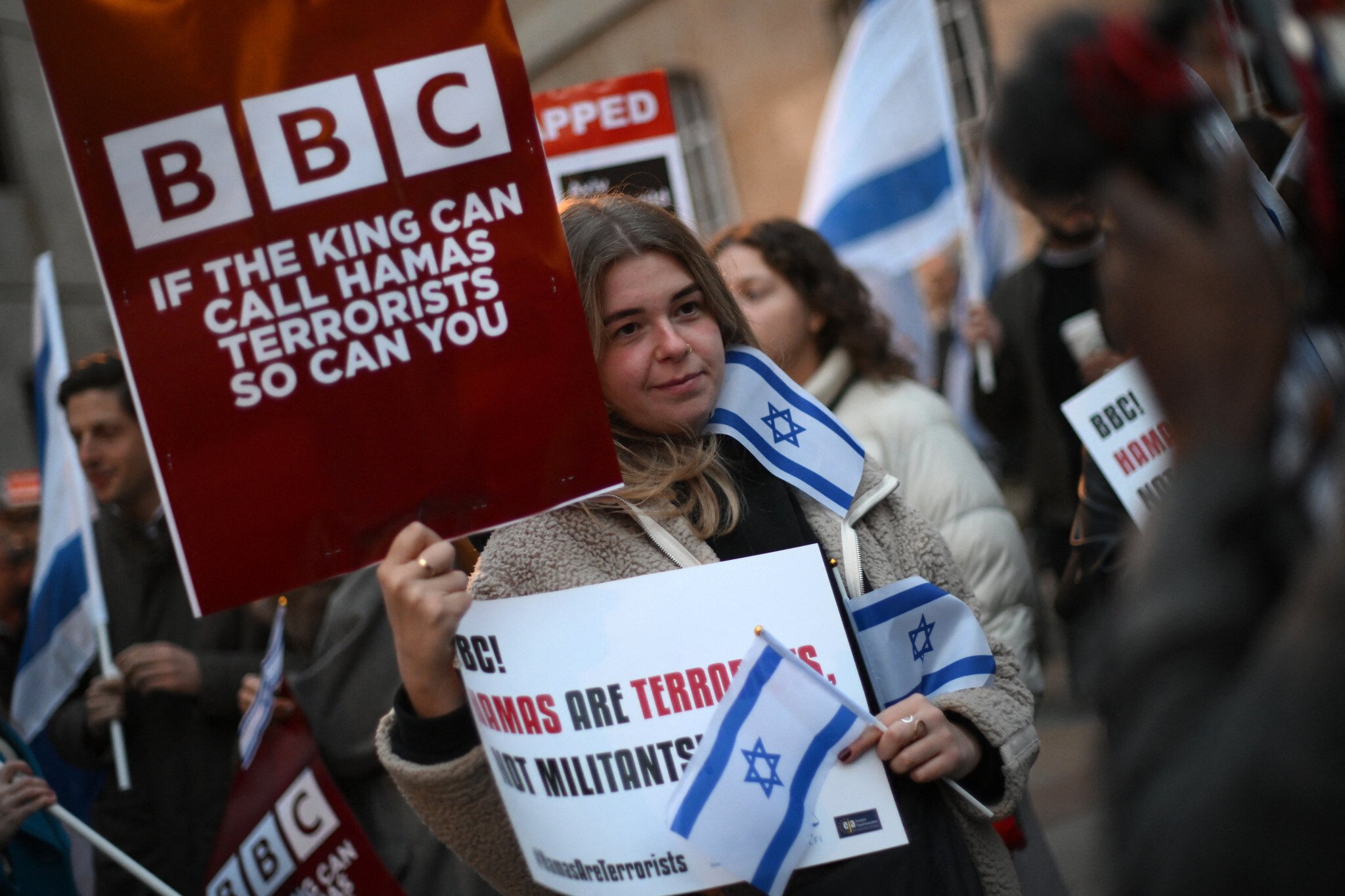
In November, a leaked memo, written by Michael Prescott, who was an independent adviser to the BBC’s Editorial Guidelines and Standards Committee until this past June, laid bare BBC Arabic’s multiple failings. It also highlighted how internal BBC reviews concluded it had given “unjustifiable weight” to Hamas’s much-disputed figures for the death toll in Gaza, as well as reporting unsubstantiated allegations of war crimes committed by Israeli forces.
In response to the Prescott memo, the BBC is reported to be planning a review of its Middle East coverage.
BBC headlines Hamas assertions, buries Israeli responses
Deech accuses the BBC of “utterly distorted” coverage, noting the manner in which headlines often cite assertions made by Hamas. By contrast, Israel’s response is frequently relegated to “much lower down,” with caveats that Jerusalem’s claims have not been verified by the BBC.
“People look at the headline, and that’s what impresses itself on them,” Deech said. “They mislead all the time on that.”
Prescott’s memo said BBC Arabic had repeatedly allowed contributors on air who had made extreme antisemitic statements. Deech hesitates to label the service institutionally antisemitic but says it is clear that “the people they choose, and the people who appear, are antisemitic.”
Deech’s time on the BBC board of governors — which has now been replaced by a similar governance body, the BBC Trust — also saw a slew of controversies. In October 2004, for instance, BBC journalist Barbara Plett filed a report in which she told listeners she “started to cry” while watching Yasser Arafat’s final departure from his West Bank compound. The BBC also commissioned an internal probe into its Middle East coverage by senior journalist Malcolm Balen — but then refused to publish the 20,000-word investigation and fought a long legal battle to prevent its release under the UK’s freedom of information laws.
Deech has previously said that the Balen report’s main recommendations — more comprehensive coverage, more historical and other background and context, a fuller account of situations and issues, and less reliance on striking and available pictures — were not implemented.
Two decades on, Deech has her own prescription to address the BBC’s failings. First, she wants the corporation to apologize for anti-Israel bias and launch an inquiry to address the problem.
Second, she recommends a review of recruitment and training to provide a more balanced range of political views among journalists and producers. Deech believes the problem is compounded by the fact that many of those involved in the BBC’s coverage of Israel have only a limited knowledge of the subject. The BBC’s training module about Israel, she says, has “no sense of history.” It begins with Theodore Herzl, the father of modern Zionism, but provides no wider context about the Jewish people’s historical and religious connection to the land of Israel over two millennia. The corporation, she says, hires “bright graduates” but few necessarily know the relevant history.
Finally, Deech says it’s time for an independent ombudsman, with the ability to call on expert advice, to handle complaints about BBC reporting. The corporation, she believes, has shown itself unwilling to both properly investigate complaints and to admit its lack of expertise. She recalls complaints from the time she was a governor about BBC reporting on the construction of the “security barrier” between Israel and the Palestinian territories and its precise legal status.
“This was an extremely complicated question, which had been [referred] to the International Court of Justice. The BBC governors [who handled complaints] were not in a position to give a definitive answer to that,” Deech said.
UK campuses turn war zones for Jewish students
Deech, a former principal of St. Anne’s College, Oxford, who later led Britain’s top office dealing with student complaints, has equally strong views on the rise of antisemitism on the UK’s campuses.
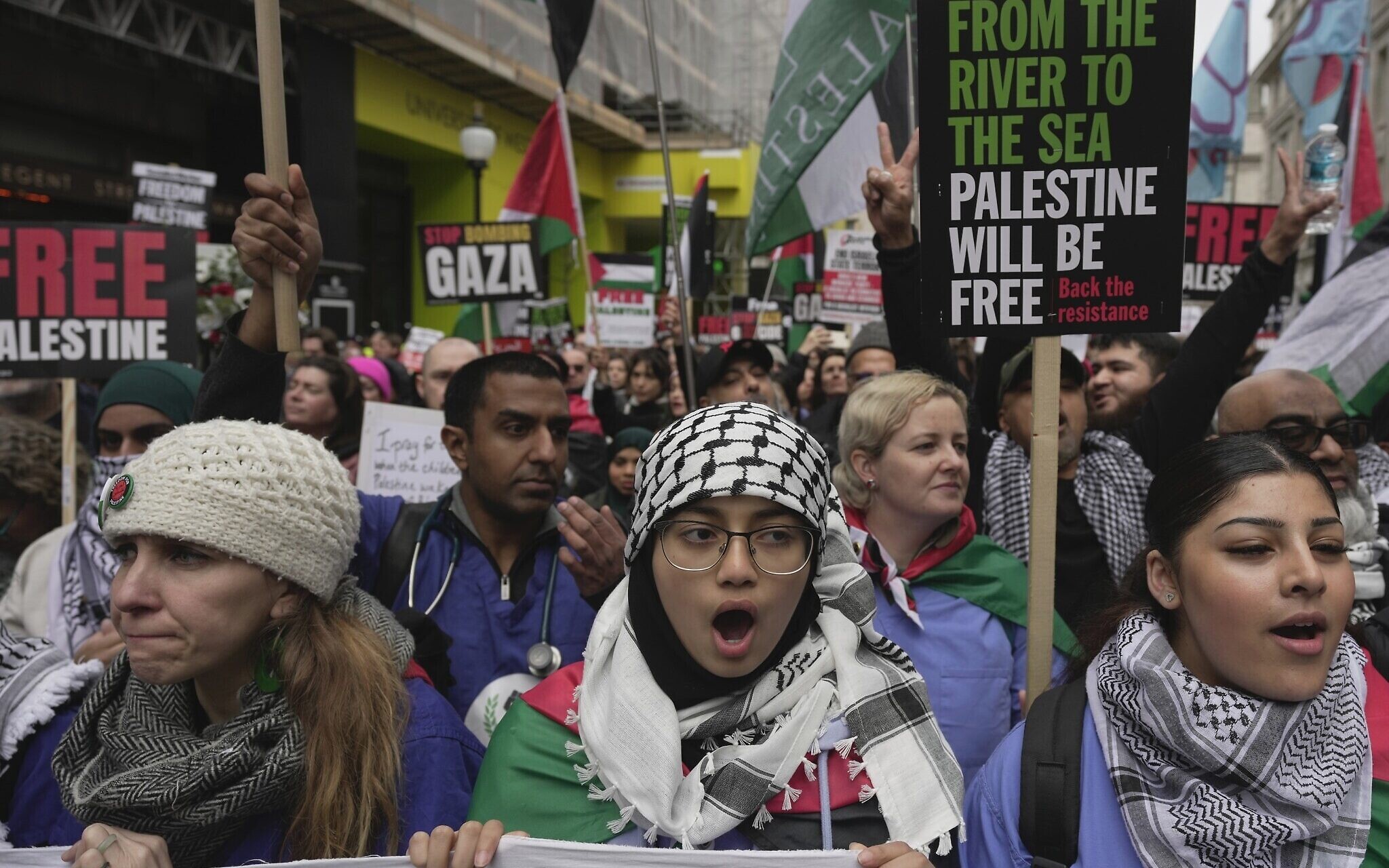
Ten years ago, she warned that some of the country’s top universities had become “no-go zones” for Jewish students. But, in the wake of the October 7 atrocities and ensuing war in Gaza, she believes the situation is “much worse.”
“The warfare on the streets is being continued in the universities,” Deech said. “The universities on the whole are not facing up to it, and the London campuses are probably amongst the worst.”
She cites a number of University of London colleges, including King’s College London, University College London, the School of Oriental and African Studies and Goldsmiths, where the situation for Jewish students is “very bad.”
“None of the vice chancellors seem to be able to summon up the courage to deal with it,” Deech said. “They take refuge behind freedom of speech, without realizing that freedom of speech stops where hate language begins.”
Deech is highly critical of Oxford, where she has spent much of her academic life.
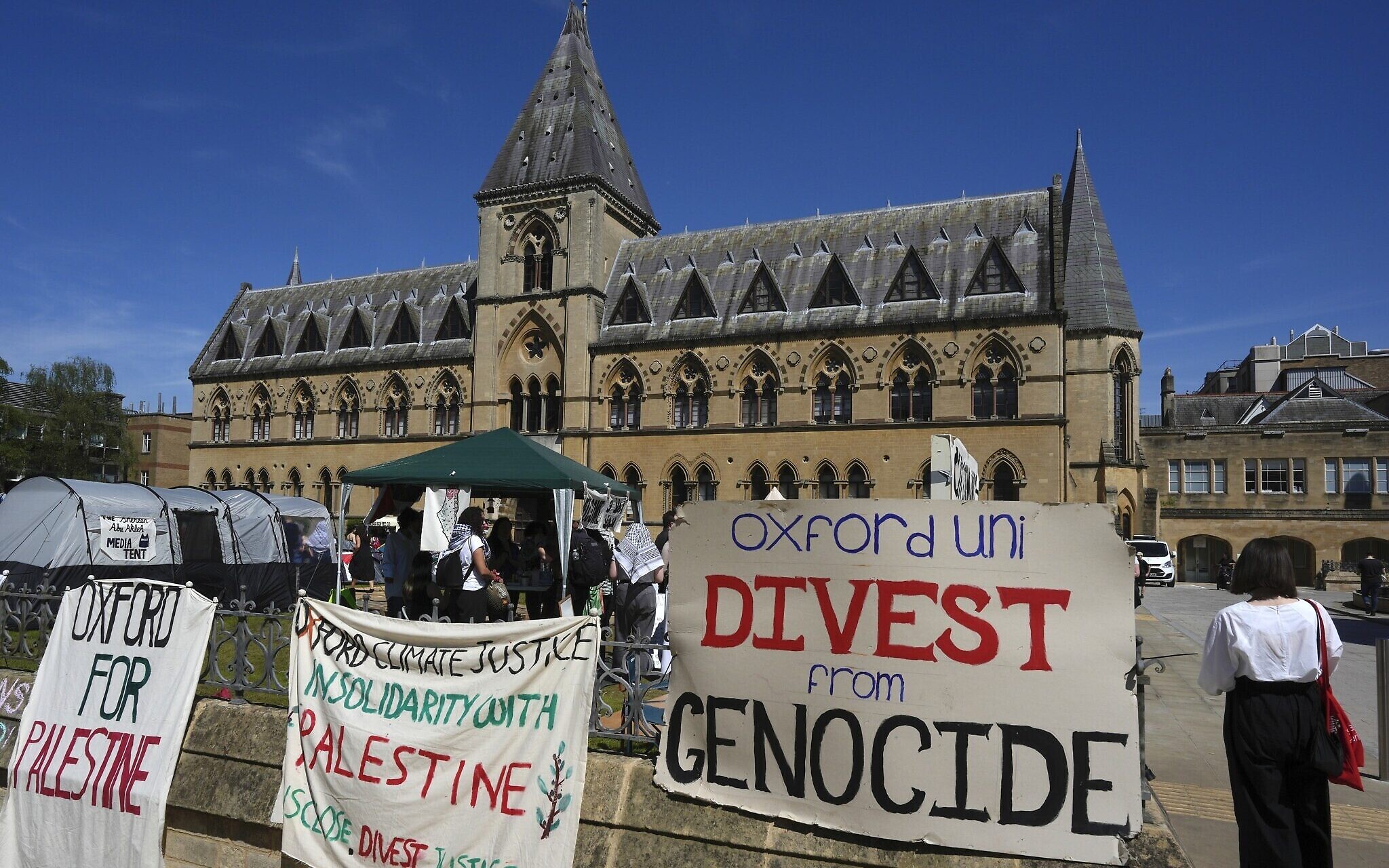
“We’ve had encampments, break-ins at university offices, swastikas, students holding up their hands with red paint on [a gesture associated with an infamous image from the Second Intifada in 2000, taken after a Palestinian mob stormed a police station in Ramallah and brutally murdered two IDF reservists], and I don’t think a single complaint over the last two years have been accepted,” she said.
Major Jewish donors to the university, Deech believes, should “use their muscle” to demand its leaders “keep the peace and accept complaints.”
Deech says the time for inquiries and investigations has passed, and action is needed. The complaints system needs to be “more receptive” to Jewish students, with anonymity where necessary, support from third parties such as the Community Security Trust, and “speedier” procedures. University leaders, she says, need to address “the root of the hatred” that has been allowed to spread through campuses.
Deech believes that requires a shake-up of Holocaust education.
“These young students have had compulsory Holocaust education… at school, but they know nothing about Jewish history and the Jewish connection to Israel,” Deech said. “Holocaust education somehow packages that terrible episode [and says it is] in the past and nothing to do with us now. It has succeeded in putting the fact of the Holocaust on the table … but no one has made the connection between that hate and what’s happening today.”

The Times of Israel Community.