

Virtual reality brings Warsaw uprising back to life
Visitors are able to experience doomed 1944 battle against Nazis in Polish capital in realistic, 15-minute experience
 Add ToI as a Preferred Source on Google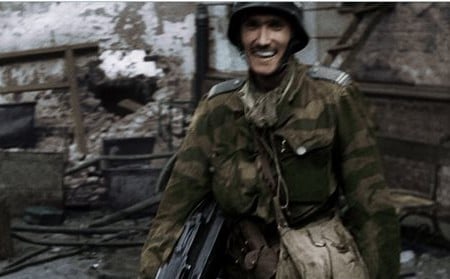
WARSAW, Poland — Seventy-four years after Polish insurgents launched the doomed Warsaw uprising against the Nazis, Poland has brought the tragic episode back to life through virtual reality.
Visitors to the capital’s Kordegarda gallery will be able to put on a headset and find themselves amid the ruins of 1944 Warsaw.
“We no longer have to ask ourselves what we would have done had we been there,” said the film’s mastermind Tomasz Dobosz.
“We feel like we’re actually there at that time, which enables a sensitive viewer to experience the decisions he would have made… to hide or fight alongside the heroes,” he told reporters.
The 15-minute virtual reality experience includes insurgents who speak to the viewer as if he were one of them, suffering a severe head injury, as well as a German soldier who dances with a Polish prisoner before shooting her dead.
The film is fictional but refers to a real event involving the insurgent Wladyslaw Sieroszewski, who was shot by the Germans in the heart but survived because the bullet was blocked by his wallet which contained a letter from his daughter.
Funded by the culture ministry and filmed over two years, the project was revealed on Tuesday, the eve of the anniversary of the Warsaw uprising.
At 5 p.m. on Wednesday sirens wailed across the city to mark the start of the assault 74 years ago, in tribute to those killed.
The bloody 63-day battle broke out on August 1, 1944 and saw around 50,000 young men and women take up arms against the Nazi Germans occupying the capital.
Vastly better equipped, the Nazis killed nearly 200,000 insurgents and civilians. What little was left standing was then razed on the orders of Adolf Hitler.










The Times of Israel Community.