

Schools to cut back on mandatory Arabic studies
Education minister to reduce number of obligatory years from 4 to 3; Arabic advisory committee protests the plan
 Add ToI as a Preferred Source on Google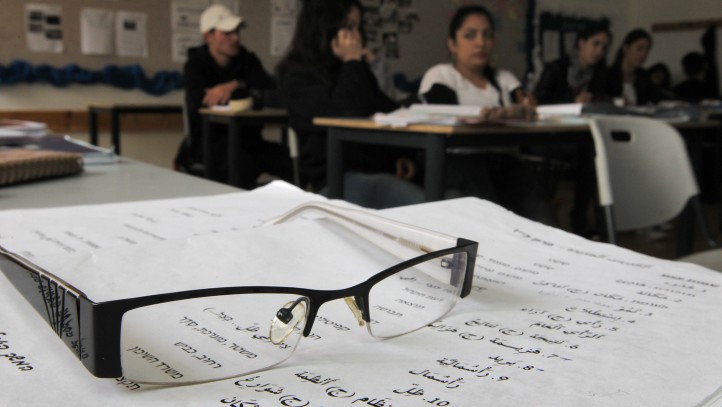
Education Minister Shai Piron has decided to cut back on obligatory Arabic studies in schools, reducing the number of years of mandatory study of the language from four to three.
Such a move would further diminish the standing of Arabic in the public education system, after years of decreasing status. Formally, Arabic studies are mandatory between seventh grade and 10th grade, but according to an Army Radio report Thursday only 40 schools enforce these studies in the 10th grade, a situation made possible by loose oversight from the Education Ministry.
Many schools, the report added, do not even carry Arabic studies as an option after the ninth grade. In addition, in recent years the Education Ministry has enabled schools to offer French studies as an alternative to students who wish to forgo Arabic altogether.
Only approximately 10,000 students take Arabic matriculation exams every year, compared to 150,000 who take the English exams.
In a letter to Piron, members of the ministry’s advisory committee on Arabic studies expressed concern over the decision. Committee members, including notable academics, teachers and other professionals in the field, stressed the importance of Arabic studies to coexistence, understanding and dialogue with the region’s Arab population.
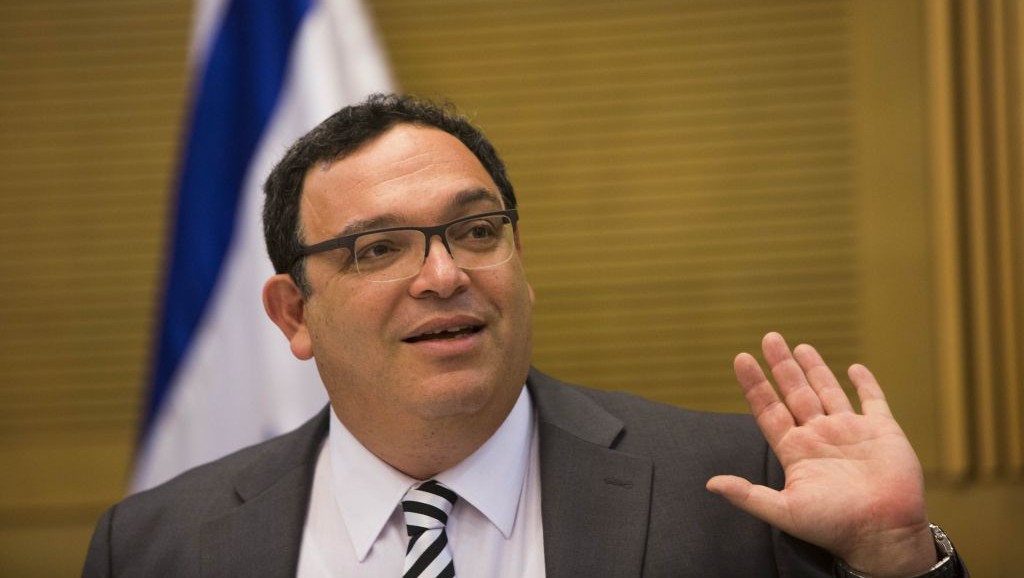
The Education Ministry said in response to the Army Radio report that “mandatory Arabic studies will continue between grades seven and nine, and afterwards every student will be able to continue Arabic studies through 12th grade. As part of the new plan students will receive increased study hours in sciences, humanities and art as part of [their] general education, instead of Arabic lessons in the tenth grade.”







The Times of Israel Community.