 Add ToI as a Preferred Source on Google
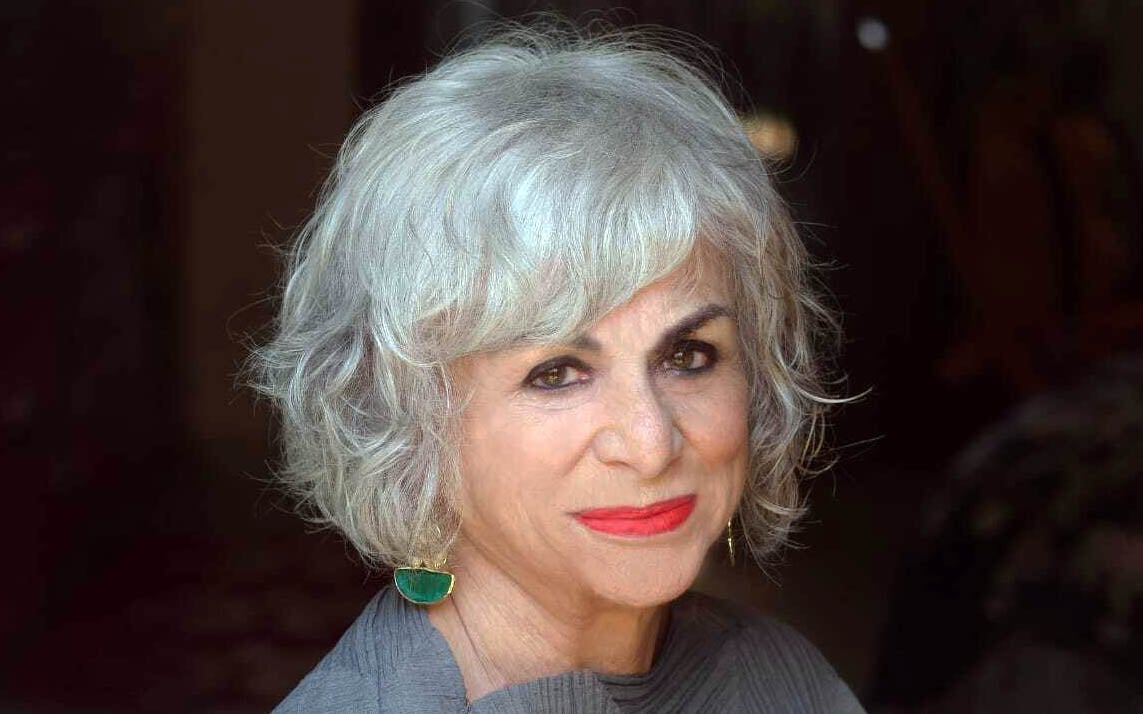
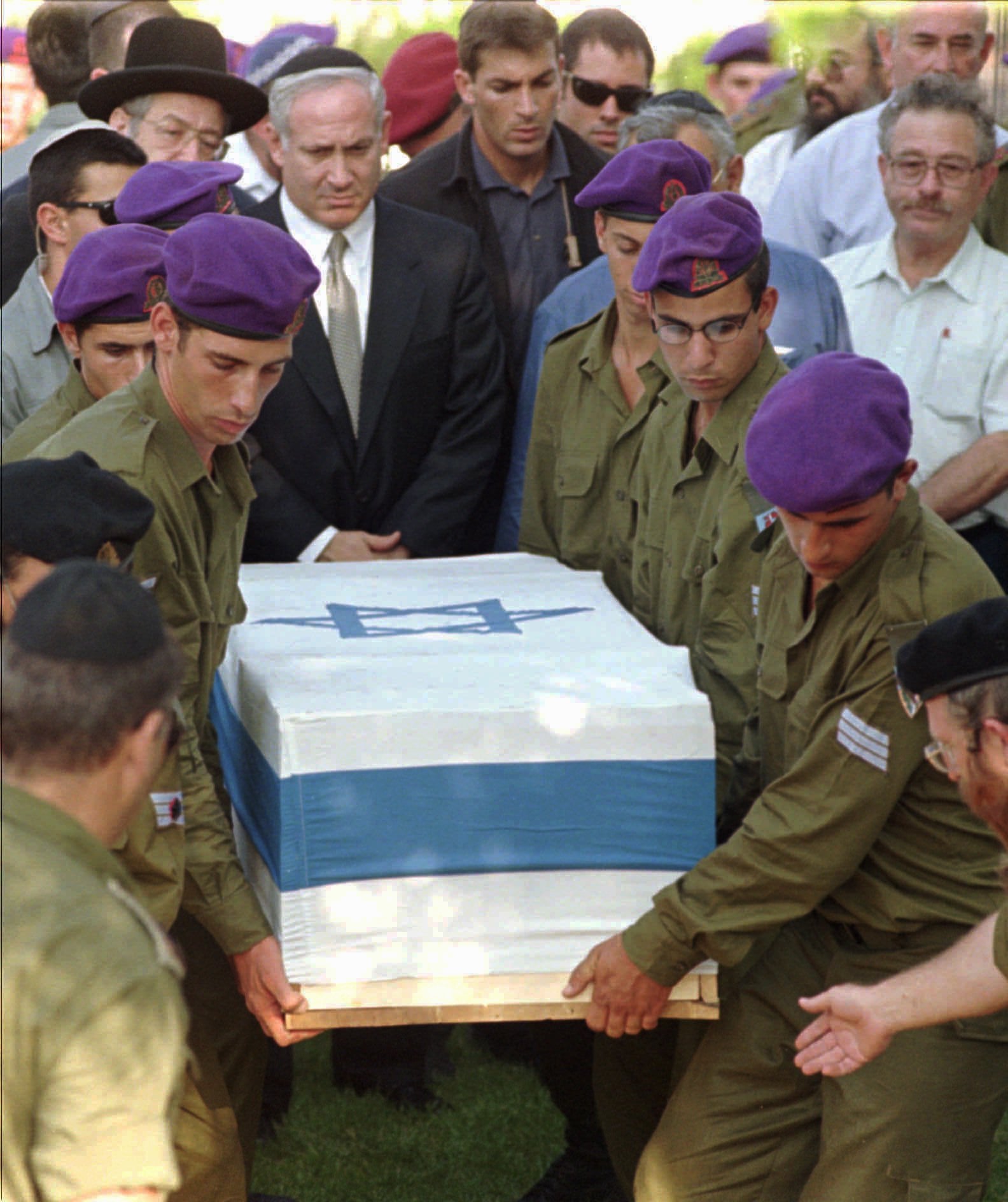
After Manuela Dviri’s son Yoni fell in Lebanon on February 26, 1998, she received a condolence letter from Benjamin Netanyahu, who was then serving his first term as prime minister.
“I replied to the letter asking to meet because I wanted to look him in the eye so that he could tell me that my son had died for a reason, that it was the right thing for him to be there,” Dviri said. The meeting never took place.
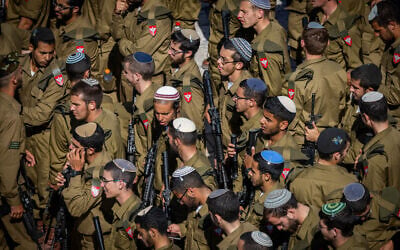
Today, Dviri once again finds Israel embedding itself in a “security zone” in southern Lebanon, with Israeli soldiers killed or wounded by the Hezbollah terror organization with increasing frequency.
“The situation is truly terrible,” she told The Times of Israel this week in a phone conversation. “It’s hard to think that I lost a son in 1998, and if he had lived, likely his children would be serving [in Lebanon] now. Just the thought gives me chills.”
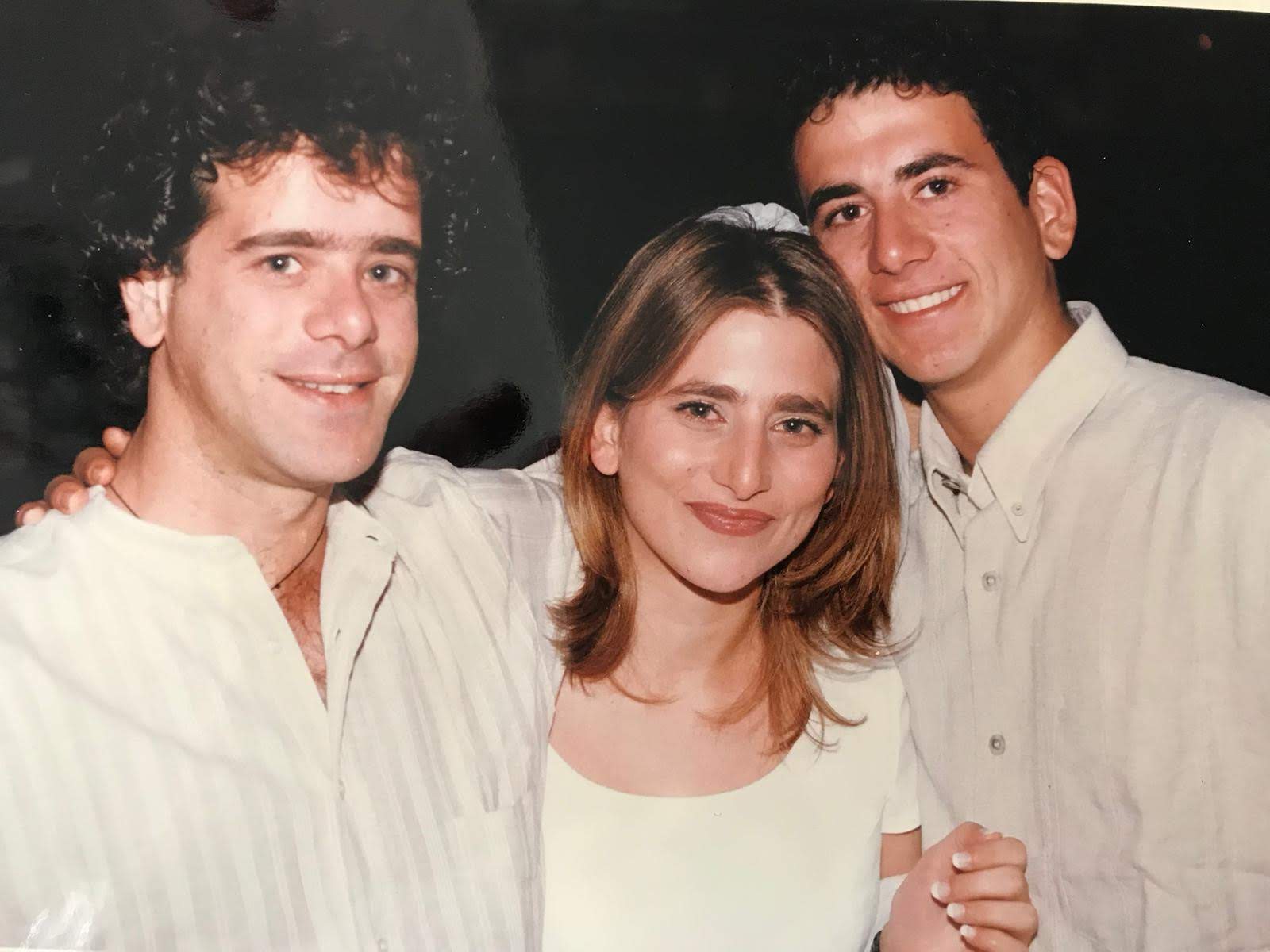
Born Manuela Vitali-Norsa, in Padua, Italy, in 1949, Dviri moved to Israel in 1968 and married an Israeli. The couple had three children, Eyal, Michal, and Yoni, the youngest.
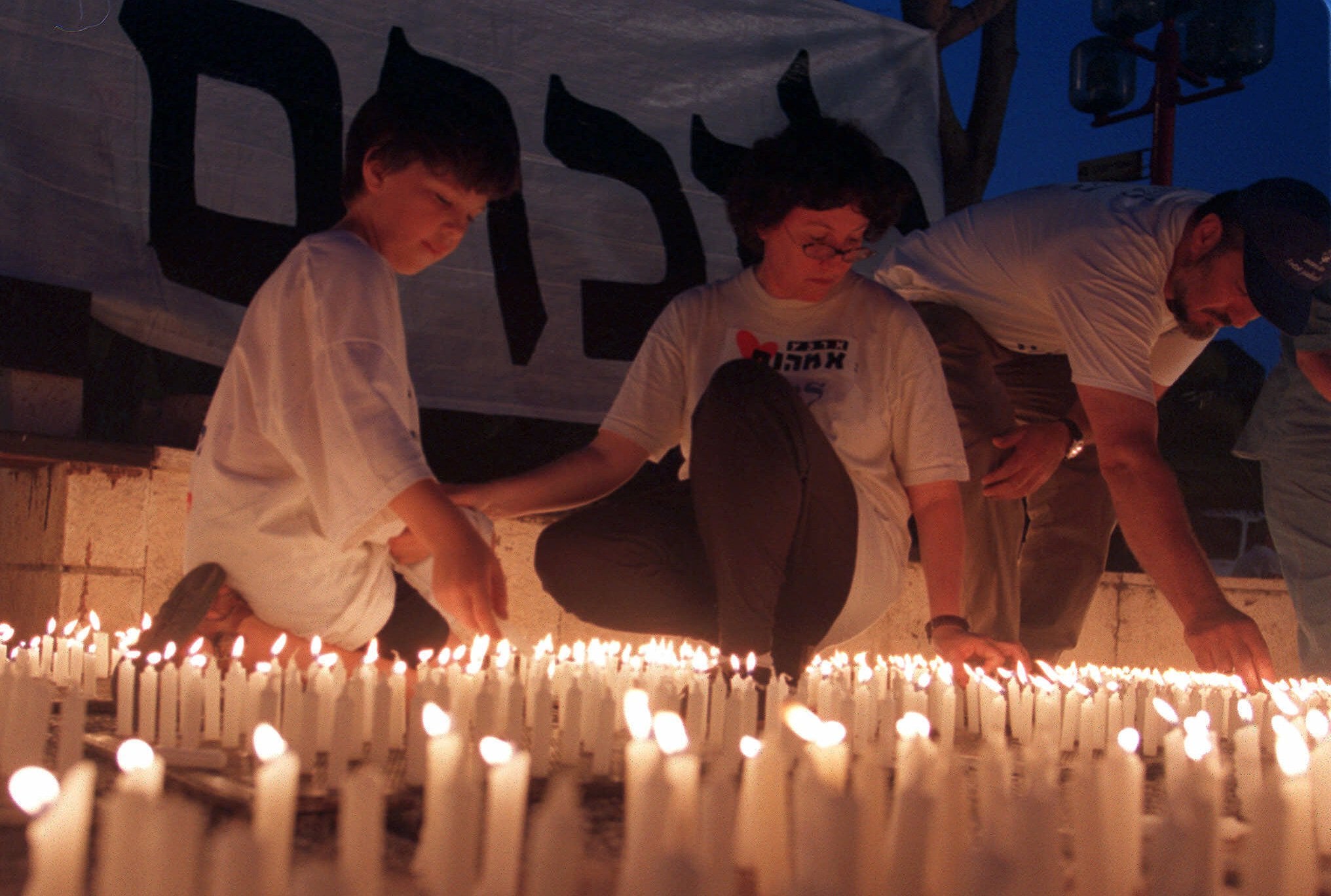
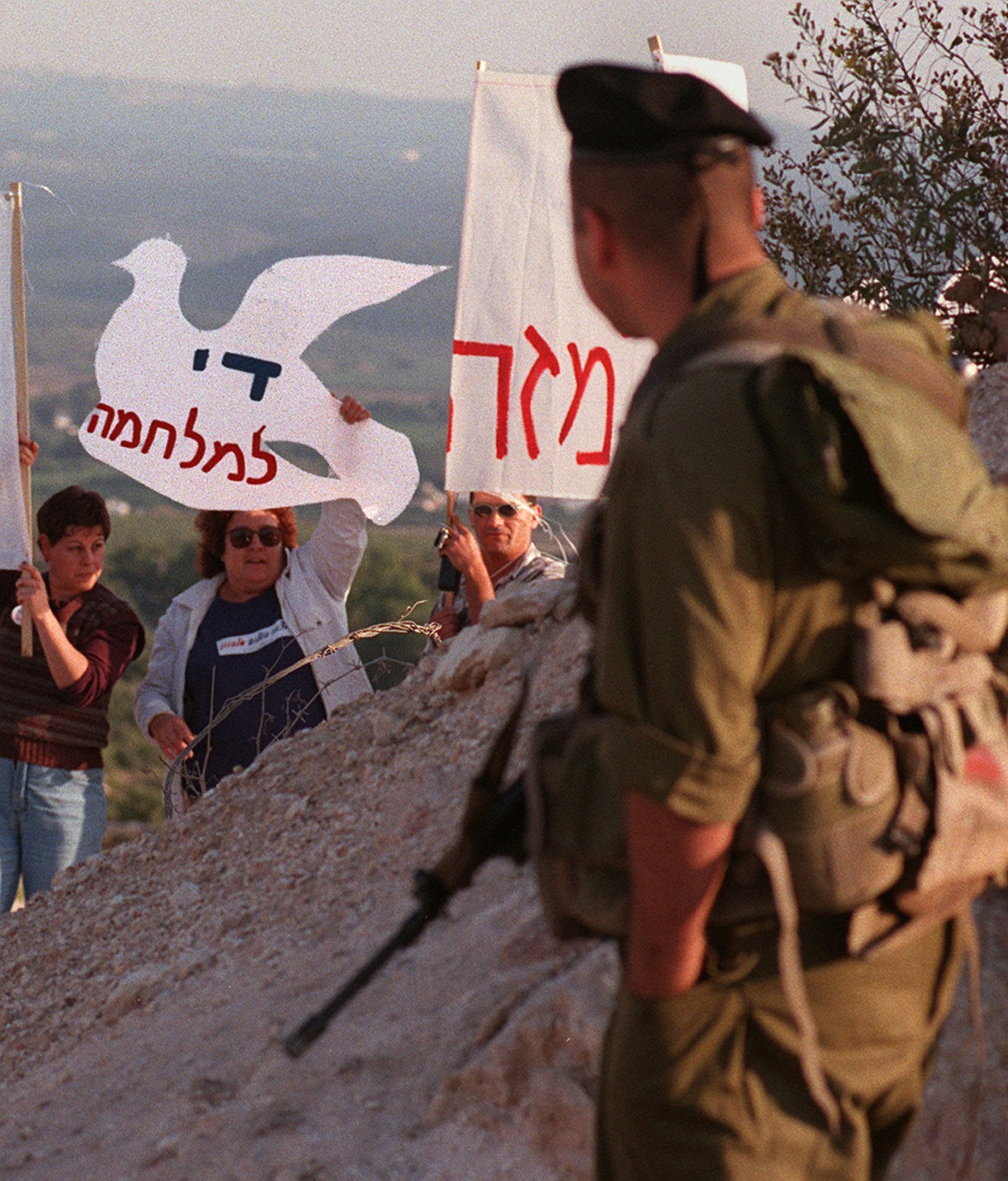
After her son’s death during his military service, Dviri became a prominent voice of the iconic Four Mothers movement, launched by bereaved mothers in 1997 to advocate for pulling the IDF out of southern Lebanon. That movement was instrumental in bringing about Israel’s withdrawal from Lebanon in May 2000 after controlling about 10 percent of its northern neighbor’s territory for 18 years. An estimated 675 soldiers were killed during that period.
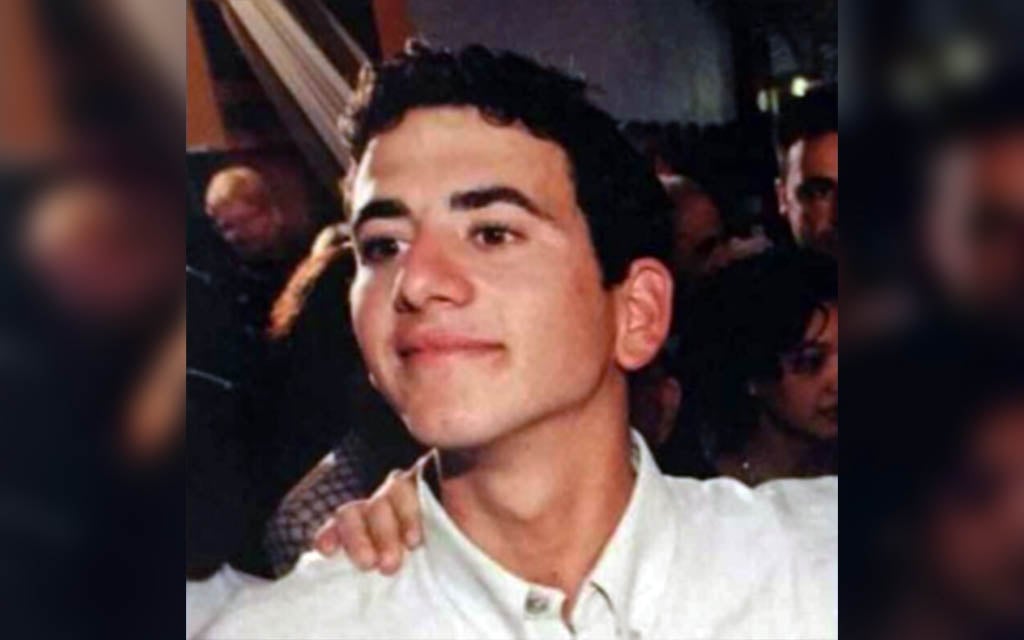
Even while Yoni was alive, Dviri said, she had wondered if the Israeli military presence in the territory of its neighbor was truly useful to protect the country’s north. After tragedy struck, the question became more urgent.
“During the shiva [Jewish week of mourning], many showed up at the house, including the defense minister and several generals,” she recalled. “I asked everyone if it was really necessary for us to be there, and soon I understood that it was not.”
She pointed out that today as well, many in the military do not believe that the security zone — especially its latest expansion, including the capture of the iconic Beaufort Castle — will be a decisive factor in protecting Israel’s north or dismantling Hezbollah.
“Our very generals in charge of the north say there’s no need for it from a military standpoint,” she asserted.
Beaufort, again
During last century’s Lebanon war, the crusader fortress located on a hill some five kilometers (three miles) from the border with Israel became one of the symbols of Israel’s years-long military campaign in southern Lebanon.
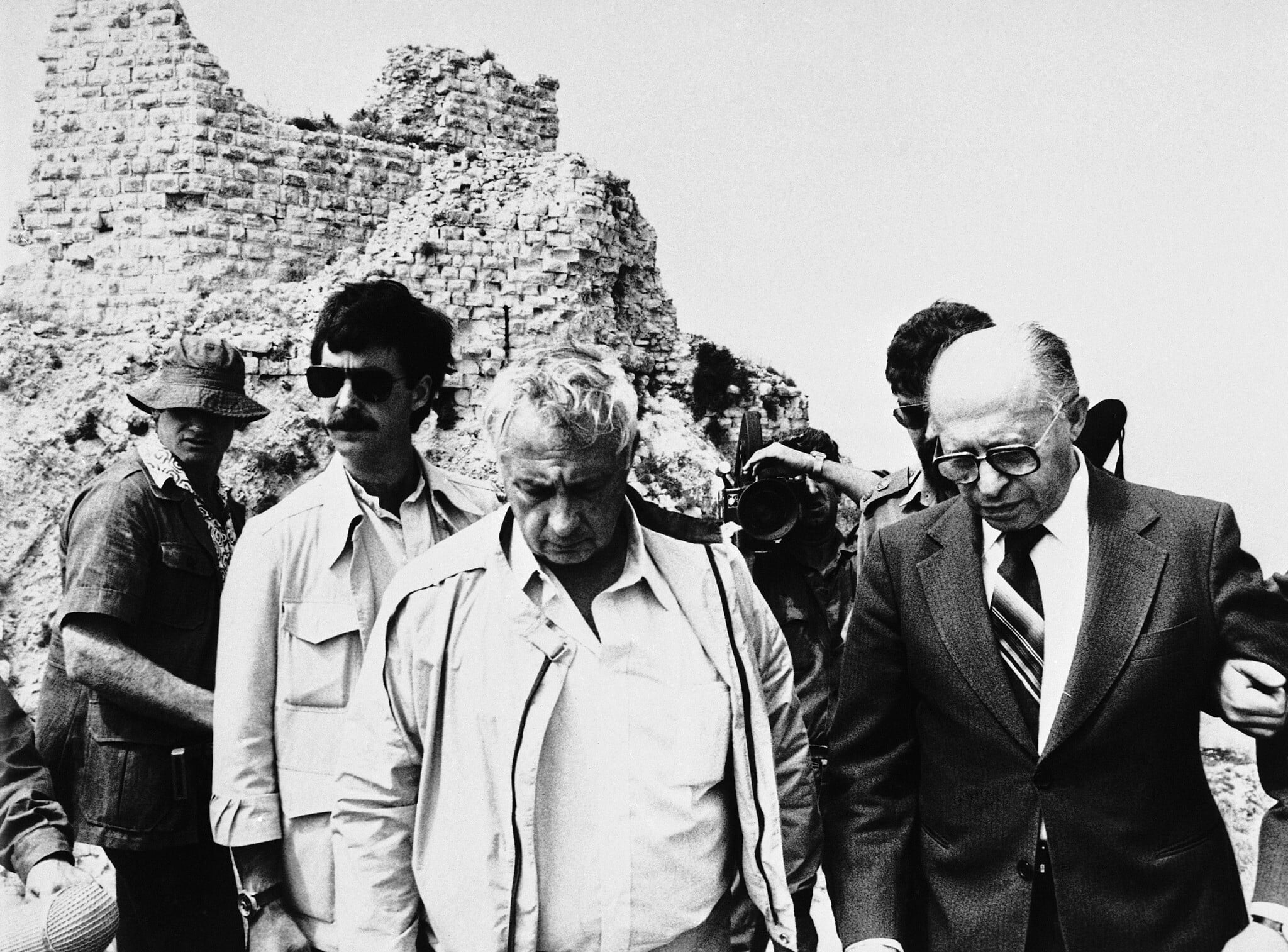
Beaufort was first captured by the IDF in 1982 — at the cost of several soldiers’ lives — when the army entered Lebanon to fight Palestinian Liberation Organization terrorists entrenched in its territory who used the country as a base to launch attacks against Israel. While the PLO was defeated, Israel soon found itself battling the newly founded Shia terror group Hezbollah.
Years later, the site was chosen as the setting for Israeli author Ron Leshem’s debut novel, translated into English as “Beaufort,” which narrates the life of an IDF unit stationed there.
“If heaven exists, this is what it looks like. If there’s a hell, this is what it feels like,” reads the most iconic quote of the book, which was originally published in Hebrew in 2005, becoming a national sensation.
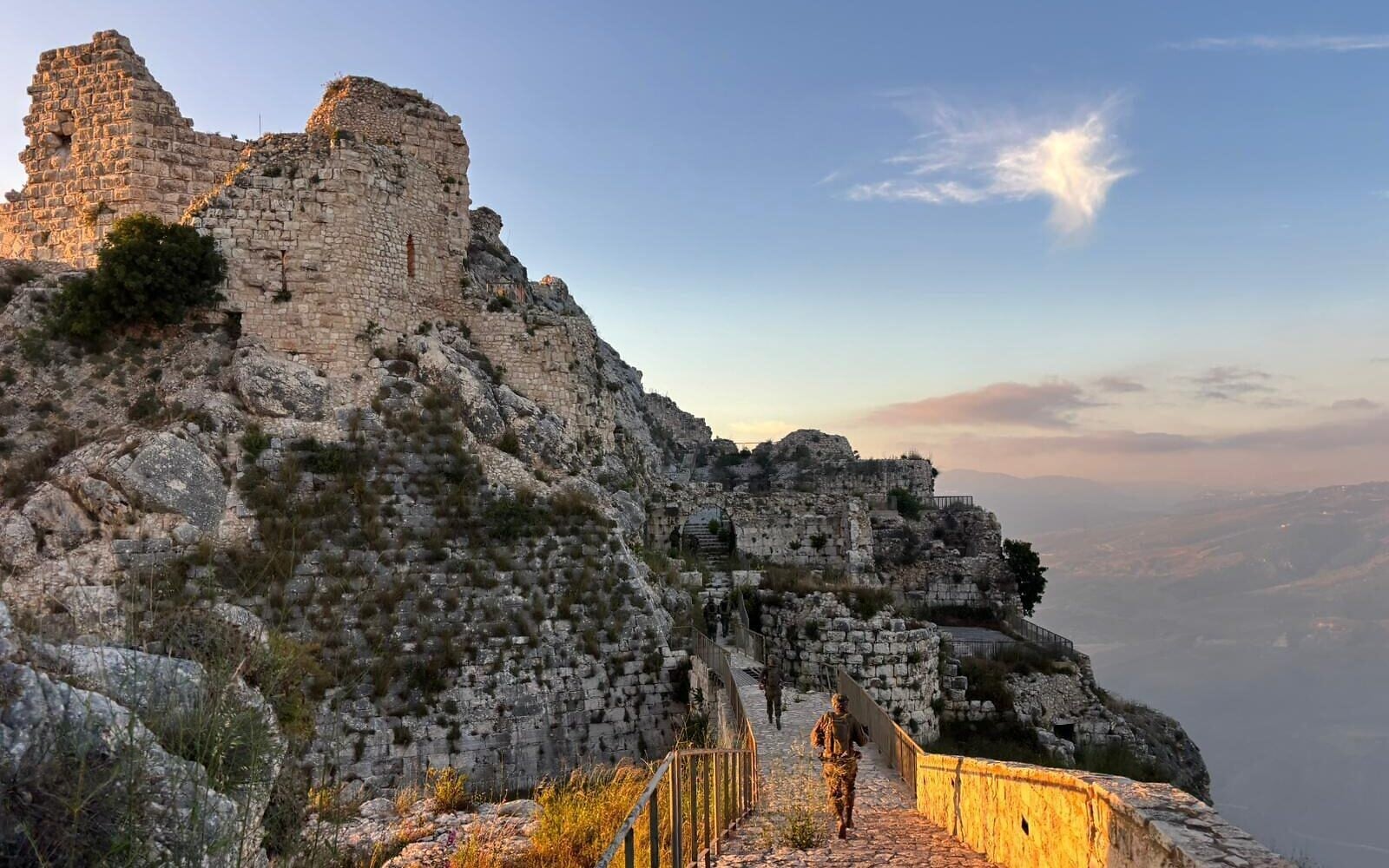
In 2007, the work was turned into a movie directed by prominent director Joseph Cedar, earning a nomination for the Academy Awards and worldwide fame.
“The capture of Beaufort is a dramatic stage and a dramatic shift in the policy we are leading,” Netanyahu said in a video message released by his office on Sunday.
“Now my directive is to deepen and expand our hold on areas that had been under Hezbollah’s control,” he added.
On the same day, Dviri received a strange call on her landline. Someone who identified himself only as Meir asked whether she regretted that because of her, Israel had left Beaufort.
“I told him I see no reason why I should regret it and asked him who he was,” she said. She received no clear answer and ended the conversation.
Later that day, she found out that the call had been recorded and aired, together with similar phone calls made to other people connected to the withdrawal, on the pro-government Channel 14 news outlet.
“I do not take offense at stunts like these; I take offense at seeing young soldiers dying again, 27 years later,” said Dviri.
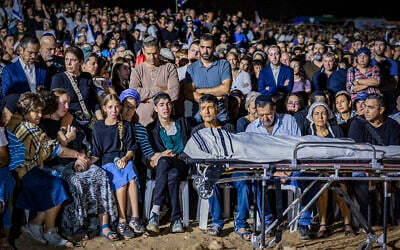
During the current Israel-Hezbollah war — which began on March 2, when Hezbollah fired rockets into northern Israel two days after the US and Israel attacked its main backer, Iran — 26 IDF soldiers and one Defense Ministry civilian contractor have been killed in southern Lebanon. Two civilians were also killed by Hezbollah rockets, and an Israeli civilian was mistakenly killed in the north by Israeli artillery shelling.
A different mood for Israeli society
Dviri acknowledged that Israeli society today finds itself in a different position than in the late 1990s, when the protest movement against the IDF’s presence in Lebanon was very significant.
“I think that Israeli society is tired,” she said.
“This government has led us into such a difficult situation, and so many things have happened in such a short time,” she added.
Dviri noted that it’s been less than a year since the last hostages taken by terrorists on October 7, 2023 — during the Hamas-led onslaught that killed 1,200 people and saw 251 abducted, and sparked the war in Gaza — returned home. In the past year, Israelis have gone through two wars against Iran that forced the whole country into bomb shelters. Dviri also noted rifts within society, such as the ultra-Orthodox population’s refusal to be drafted into the army.
“I believe the most active people are already thinking about the elections,” she said, which will be held no later than October 27. “I don’t even want to think about what would happen if this government was elected again. I hope that the families of the fallen will soon start speaking out.”
In the 1990s, the founding leaders of Four Mothers were all from the north and believed their communities could be much better protected by Israel remaining inside its borders than by a military presence in southern Lebanon.
Today, Dviri continues to believe that the best way to achieve security is to negotiate agreements rather than to control additional territory.
“Hasn’t making agreements with Egypt, Jordan, or the Emirates actually helped us live better?” she said.
Dviri expressed hope that a solution to the Hezbollah threat could be found through an agreement with the Lebanese government, and that US President Donald Trump would force Netanyahu to end the war.
“I think we’ve lost sight of the fact that wars have to end at some point; they can’t go on forever,” she said.
“I believe the Lebanese people, especially the young, are also tired,” she added, stressing the difference between the Lebanese population and Hezbollah.
Grandchildren in the army
Today, Dviri lives in Tel Aviv and has seven grandchildren. Remarkably, four of her grandchildren were born on February 26, the date Yoni was killed. Those who have reached military age have all served in the army.
“They never met him, but it is as if they knew him,” Dviri said.
Asked how she feels as she sees her grandchildren joining the military, Dviri explained that not all wars are the same.
“I was already here when the Yom Kippur War broke out, when everyone left for the front knowing that we were under attack and we had to stop [the enemies’] advance from the north and from the south,” she said. “My husband also went, and he only came home after six months. However, back then it was different.”
Dviri said all Israeli leaders have their flaws, but after the October 7 Hamas invasion, she does not believe “a word of what Netanyahu says.”
“I’m convinced that the fact that he’s on trial explains much of his behavior and the decisions he has made, for which we are paying the price,” she said. “I think he is willing to indefinitely prolong the war to avoid ending up in prison.”
She shared that her son Yoni could have served elsewhere but chose to go to Lebanon because he wanted to have a meaningful service. He was not someone seeking to fight a war, she said, but he felt it was important to do his duty.
Some 20 years after his death, the Dviri family was visited by a fellow soldier who was seriously wounded when Yoni died.
For the first time, Dviri and her husband found out that their son was not supposed to be operating in the area where he was killed, but had offered to go in place of less experienced soldiers, thinking it would be too dangerous for them.
“He saved their lives, but paid with his own,” Dviri said.

The Times of Israel Community.