

Netanyahu’s cross-examination ends early again for ‘security reasons’
Judges agree to end hearing in Case 2000 two hours early after PM’s team cites diplomatic affairs requiring his attention
 Add ToI as a Preferred Source on Google
Jeremy Sharon is The Times of Israel’s legal affairs and settlements reporter
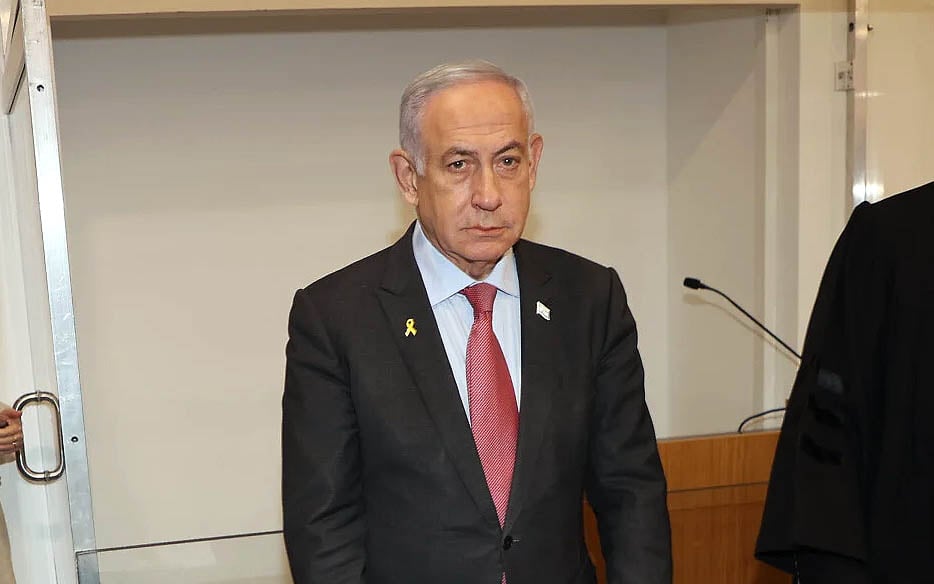
Prime Minister Benjamin Netanyahu’s hearing in his corruption trial ended early once again Monday due to “diplomatic and security reasons,” the latest in a series of similar interruptions that have hampered proceedings.
The hearing, coming as the trial passed the six-year mark, ended at 1:45 p.m. instead of 4 p.m. as scheduled.
Netanyahu’s defense team approached judges with the request at the opening of the court session.
Netanyahu’s testimony, which began on December 10, 2024, has been beset by numerous delays, with the premier frequently asking for hearings to be canceled or cut short. It is set to conclude in the next two weeks, with prosecutor Yonatan Tadmor telling the judges that four to five full days of testimony will suffice.
Israel is in the midst of shaky ceasefires that paused a conflict in Iran and reduced fighting in Lebanon. Another long-running ceasefire is in effect in Gaza.
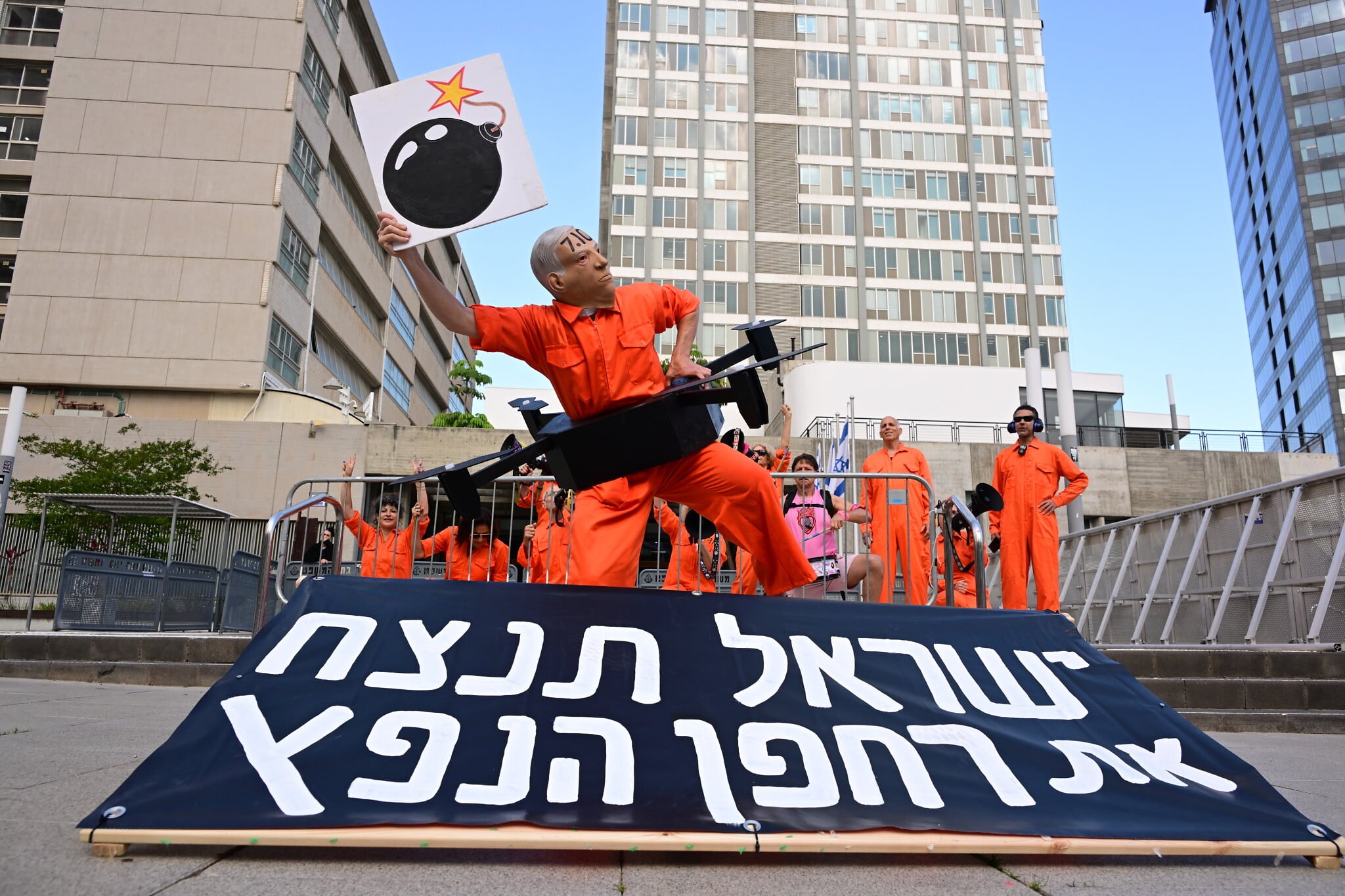
Protesters gathered outside the courthouse to demonstrate against the prime minister.
Netanyahu was in court to face cross-examination on Case 2000, in which he is charged with fraud and breach of trust over allegations he planned an arrangement with Yedioth Ahronoth publisher Arnon Mozes under which Netanyahu would receive favorable media coverage from the publication and, in return, advance legislation to weaken Yediot’s rival newspaper Israel Hayom.
That paper, bankrolled by now-deceased American billionaire Sheldon Adelson and previously considered very pro-Netanyahu, is handed out for free and has seriously hurt Yedioth’s circulation figures over the years. The alleged Netanyahu-Mozes agreement was never implemented.
During the proceedings, prosecutor Tadmor repeatedly put it to Netanyahu that he was coordinating with Mozes to pass the bill that would have weakened Israel Hayom. Netanyahu, for his part, maintained that there was no such arrangement and that he opposed the legislation.
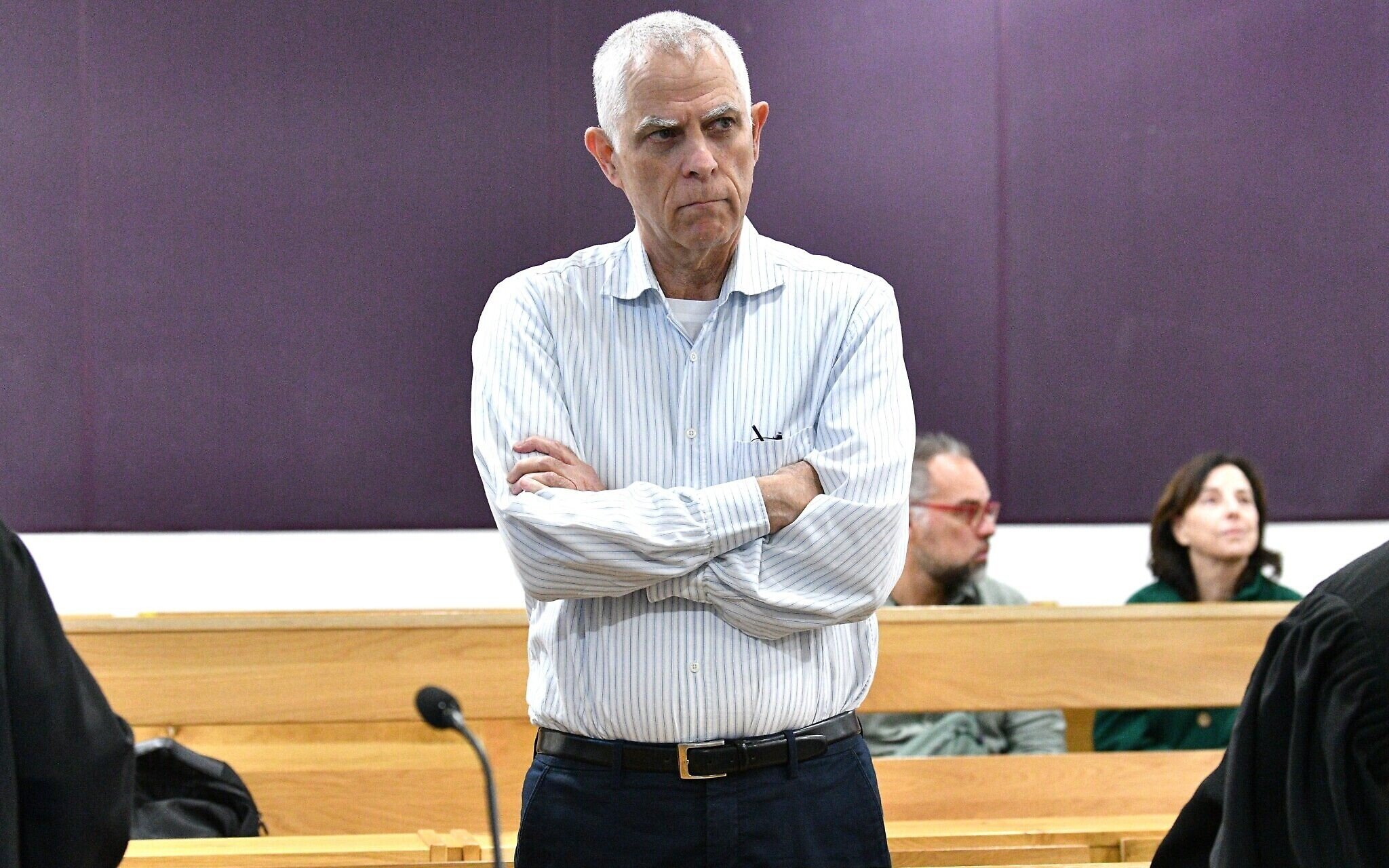
The bill, which would have required newspapers to charge a minimum price, passed the first of three readings in the Knesset in November 2014, apparently catching Netanyahu off guard.
Weeks after the bill was advanced, in December 2014, Netanyahu dissolved the Knesset, ushering in new elections and thwarting any efforts to further advance the legislation.
Netanyahu has sought a pardon from President Isaac Herzog, who has insisted on negotiating a deal with the prosecution. On Sunday, however, the Kan public broadcaster reported that Herzog had “frozen” his efforts due to the premier’s failure to respond to the initiative.
Last month, Herzog said he was initiating a negotiation process in which he would serve as a mediator between the prosecution and Netanyahu’s attorneys. The president said that was the appropriate path to take before considering Netanyahu’s pardon request.
Although Attorney General Gali Baharav-Miara agreed to begin negotiations, Netanyahu failed to respond to the proposal, meaning that Herzog has not been able to advance the initiative.
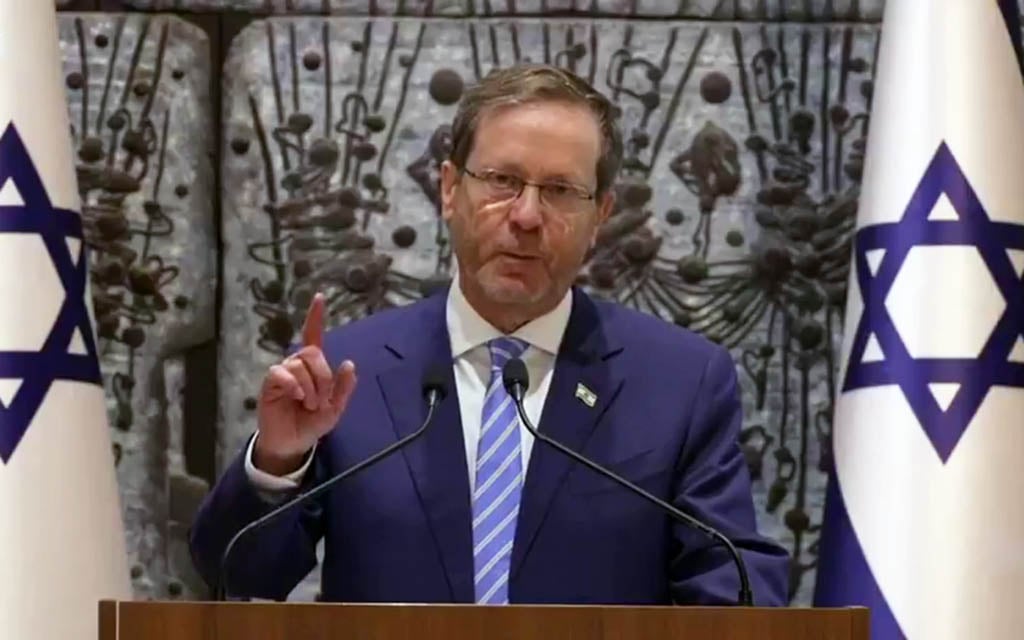
The president’s office said in response that the report was “incorrect,” without elaborating. But Herzog acknowledged two weeks ago that Netanyahu had not responded to his proposal when he called on the prime minister to “come into the room.”
Herzog’s offer to broker a plea deal may not be relevant for much longer, since Netanyahu is expected to finish testifying in the coming weeks. Netanyahu’s pardon request is based on the claim that it is in the public good that the prime minister not be burdened with spending entire days testifying in court, but if he no longer needs to attend court hearings, the pardon request would become moot, as would Herzog’s mediation offer.
The premier has testified 80 times so far, beginning in December 2024 with direct questioning by his own attorney. His cross-examination began in June 2025, fully five years after the trial opened.
Netanyahu is on trial in two other cases in addition to Case 2000.
In November 2025, he concluded his testimony in Case 1000, in which he is suspected of fraud and breach of trust for having accepted large amounts of luxury goods from Hollywood mogul Arnon Milchan in return for the prime minister assisting him in obtaining a long-term US visa and in merging the Keshet and Reshet television networks.
In Case 4000, Netanyahu is accused of authorizing regulatory decisions that financially benefited telecommunications mogul Shaul Elovitch — who at the time was the controlling shareholder of the Bezeq telecom company — by hundreds of millions of shekels, in exchange for positive coverage from the Bezeq-owned Walla news site.
Netanyahu is the first sitting prime minister to go on trial in Israel. He has consistently denied any wrongdoing and claims that the cases against him are a witch hunt and a political coup attempt fabricated by his opponents.







The Times of Israel Community.