

3 arrested for planting drugs on ultra-Orthodox couple
Alleged conspirators caught in ongoing investigation of crimes carried out by Haredi ‘modesty police’
 Add ToI as a Preferred Source on Google
Jacob Magid is The Times of Israel's US bureau chief

Three people, including two leaders of an ultra-Orthodox group known as the “modesty police,” have been arrested for conspiring to prevent a couple in Ukraine from returning to Israel, in part by planting drugs in their suitcase.
The three face charges of of extortion, fabricating evidence, drug possession, and wiretapping, Hebrew language media reported. They were set to appear before a Jerusalem court on Monday.
The “modesty police” is officially known in ultra-Orthodox circles as the Committee for the Purity of the Camp. It’s a fringe Haredi group that seeks to regulate lifestyle standards in the ultra-Orthodox population, often by means of harassment.
Their arrests relate to a December 2015 incident when an Israeli ultra-Orthodox couple was arrested in a Kiev airport after Ukrainian police found more than a kilogram of marijuana in their luggage. The couple claimed that the drugs had been planted.
The ultra-Orthodox news site Haredi10, suggested the couple was framed in connection with the woman’s legal battle for custody over her nine children from her ex-husband.
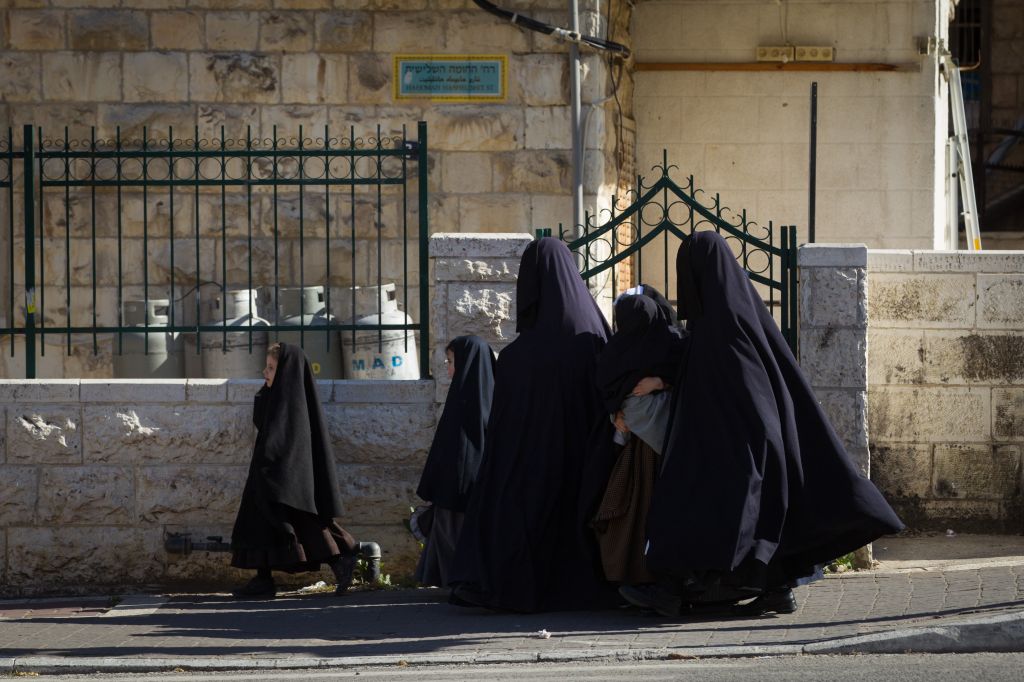
The committee has been active for years, but made national headlines in December 2015 for issuing a directive to editors of local Beit Shemesh newspapers and advertising pamphlets demanding that they follow a strict set of modesty rules. These included a restriction on ads featuring the mere silhouette of a woman as well as double beds that do not have proper dividers.

The woman separated from her ex-husband in what Haredi10 called “an ugly divorce.”
She recently got engaged to a man who had been the couple’s marriage councelor, a move many in the community objected to, and raising the ire of the “modesty police,” the site said.
JTA contributed to this report










The Times of Israel Community.