

4 killed in Saudi Arabia, Kuwait as Iran says it’s attacking Gulf because it can’t reach US
Riyadh says projectiles hit residential area, killing an Indian and a Bangladeshi; 2 Kuwaiti border guards killed
 Add ToI as a Preferred Source on Google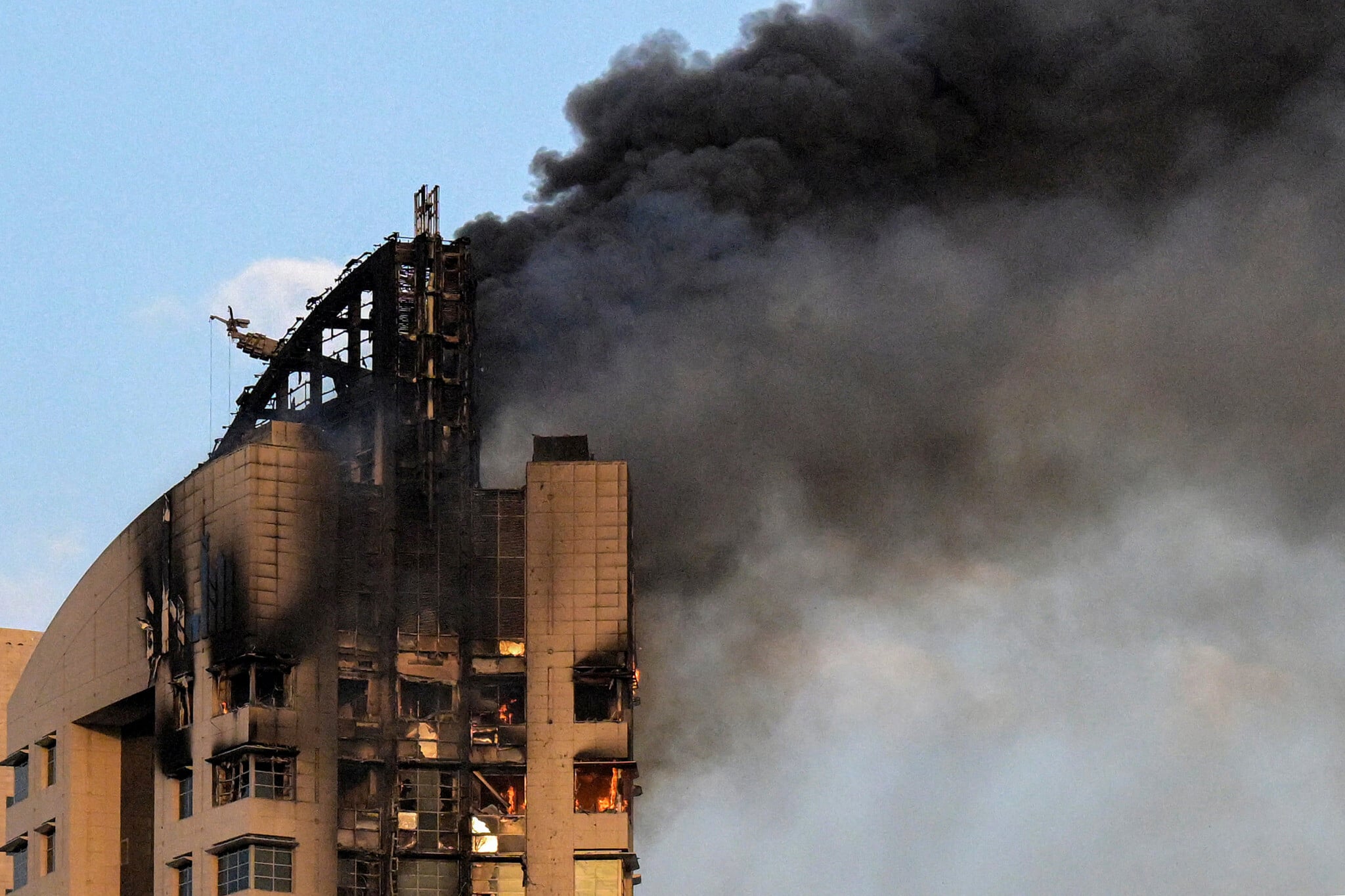
Two people were killed on Sunday and 12 were injured after a projectile fell in a residential location in Saudi Arabia’s Al-Kharj governorate, marking the first reported casualties in the oil-rich nation as Iran kept up its relentless assault on the Gulf states.
Iran’s Foreign Minister Abbas Araghchi defended the strikes, saying that Tehran was targeting the Gulf as its missiles cannot reach the United States.
The deaths, the first reported by Saudi Arabia since fighting began a week ago, occurred as Iran struck targets across the region, including fuel tanks in Kuwait and a desalination plant in Bahrain.
The Saudi civil defense said an Indian and a Bangladeshi were killed by an unspecified “military projectile” that hit a residential area in Al-Kharj, south of Riyadh, according to the statement, which did not mention Iran by name.
Iran’s Islamic Revolutionary Guard Corps said earlier on Sunday that they targeted radar systems in locations including Al-Kharj.
Gulf countries have borne much of Tehran’s response after the US and Israel launched a massive air campaign against Iran, killing the country’s supreme leader, Ali Khamenei, on February 28. Since then, 18 people, 10 of them civilians, have been killed in the Gulf states, according to an AFP tally, in addition to 10 people in Israel.
Iran’s President Masoud Pezeshkian warned Sunday that the Islamic Republic “will be forced to respond” against its neighbors if their territory was used to attack it, despite having apologized a day prior to those hosting US military bases for attacks on their land.
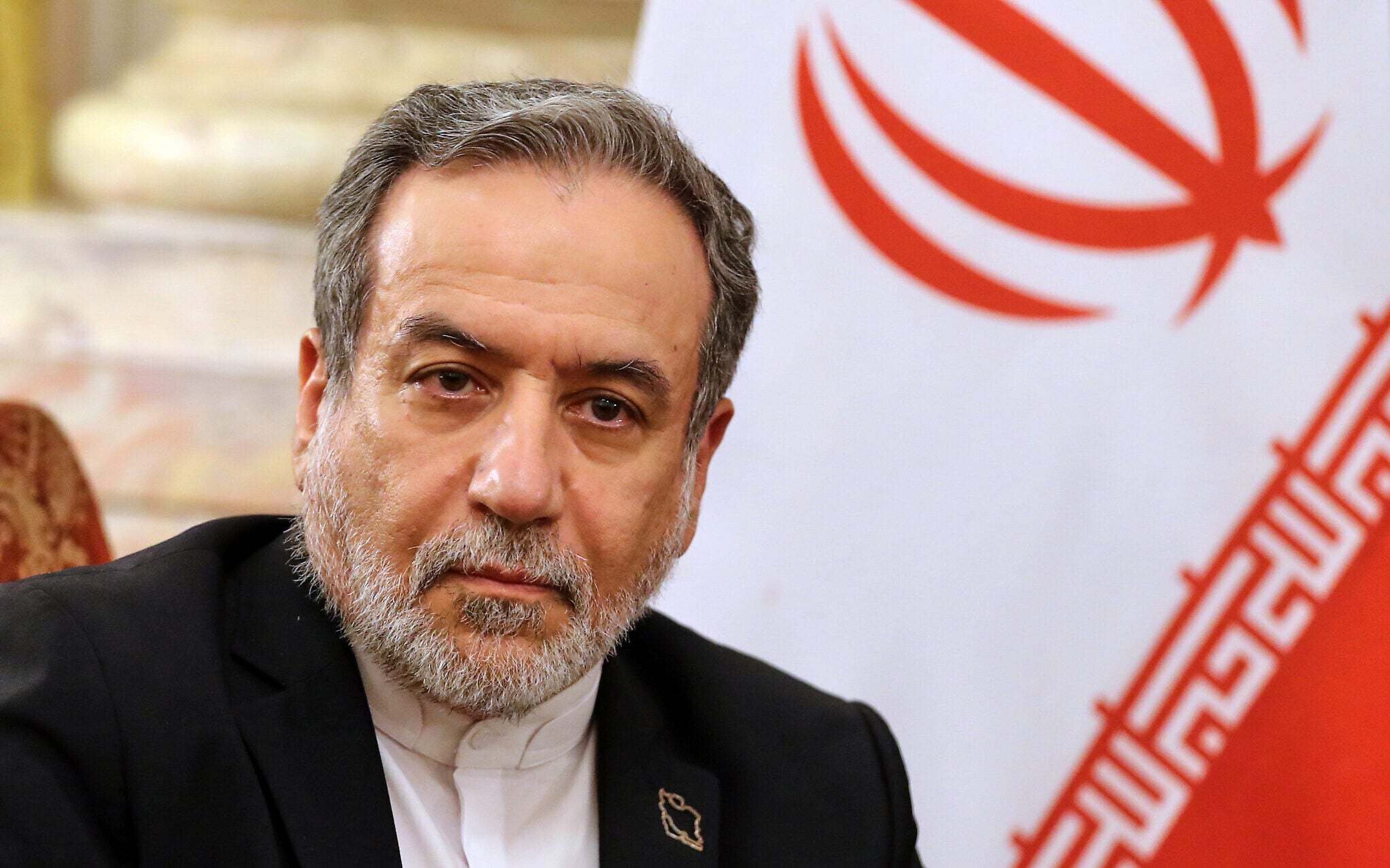
“It is Americans who started this war against us, attacking us, and we are defending ourselves. So it is obvious that our missiles cannot reach the US soil,” Foreign Minister Araghchi told NBC’s “Meet the Press.”
“What we can do is to attack American bases and American installations around us, which are unfortunately in the soil of our, you know, neighbor countries.”
Gulf countries have said their territory has not been used in attacks against Iran, and before the war began, they repeatedly said they would not allow such a move.
Saudi Arabia, the United Arab Emirates, Qatar and Kuwait all reported new attacks on Sunday.
In Kuwait, two border guards were killed “while performing their national duty,” the interior ministry said, without elaborating on the circumstances.
Fuel tanks at Kuwait’s international airport were targeted in a drone attack, the military said, and the official Kuwait News Agency said a fire at the airport was brought under control, without any “significant injuries.”
The military called the drone attack “a direct targeting of vital infrastructure.”
A separate statement said “some civilian facilities sustained material damage as a result of falling fragments and debris from interception operations.”
‘Drone threats’
Kuwait’s national oil company announced a “precautionary” cut to its crude production, as the country’s military said Sunday that it had responded to several drone and missile attacks.
Authorities said Kuwait’s main building for social security was targeted, causing material damage, and that it would not receive visitors there on Sunday.
Bahrain’s interior ministry said Sunday that an Iranian drone attack damaged a water desalination plant, accusing Tehran of “randomly” targeting civilian infrastructure.
The IRGC claimed on Saturday that it had struck the United States’ Juffair base in Bahrain, adding it had been used to attack an Iranian desalination plant earlier in the day.
Bahrain’s national communication office later said the Iranian attack on the desalination facility had no impact on water supplies or network capacity.
Falling missile debris also injured three people and damaged a university building in the Muharraq area, the interior ministry said in a separate statement.
Footage shows Saudi air defenses intercepting and destroying a number of drones launched toward the Kingdom in recent days.#SaudiMOD pic.twitter.com/G41HjOsm1H
— وزارة الدفاع (@modgovksa) March 8, 2026
Saudi Arabia’s defense ministry said on Sunday that it intercepted 33 drones, adding there were no reports of damage or casualties from the attacks.
Among them was a drone aimed at Riyadh’s diplomatic quarter, also thwarted with no material damage or civilian injuries, the ministry’s spokesman said, adding the capital and surrounding areas were targeted by 26 drones.
One drone targeted the Shaybah oil field in the southeast of the country, according to the Saudi defense ministry.
‘At the disposal of the enemy’
The United Arab Emirates said its air defenses detected 17 ballistic missiles on Sunday — destroying 16, while one fell into the sea — and intercepted 113 of 117 drones detected, with four falling inside the country.
Despite the Iranian president’s apology to the Gulf countries for earlier strikes, hours later, its judiciary chief said strikes would continue on sites in Gulf countries that were “at the disposal of the enemy.”
UAE President Mohammed bin Zayed Al Nahyan said in a rare televised address that the Emirates were in “a period of war” and “will emerge stronger” from it.
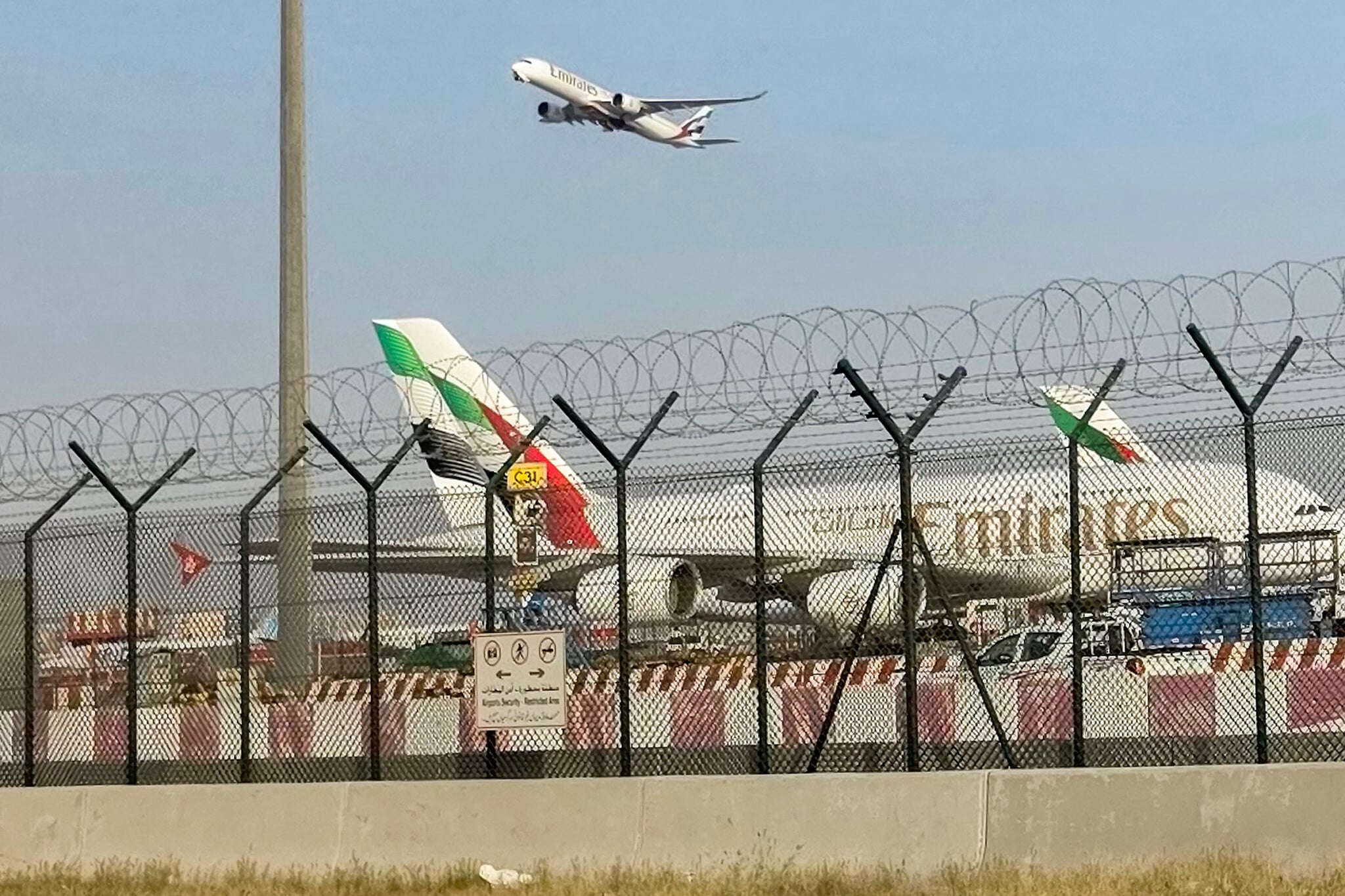
Dubai briefly closed its main airport — the world’s busiest for international traffic — on Saturday after authorities said an unidentified object was intercepted nearby.
A witness told AFP of a loud explosion in the area followed by a cloud of smoke. Footage verified by AFP recorded the sound of a drone followed by a loud explosion and plumes of smoke close to an airport concourse.
The government said there had been “a minor incident resulting from the fall of debris after an interception”, without directly mentioning the airport. It said there were no injuries.







The Times of Israel Community.