

Hospitals move operations underground as Iran fires missiles at Israel
Medical facilities instructed to prepare to discharge patients who can go home, mobilize for emergency status; health fund clinics without shelters ordered closed
 Add ToI as a Preferred Source on Google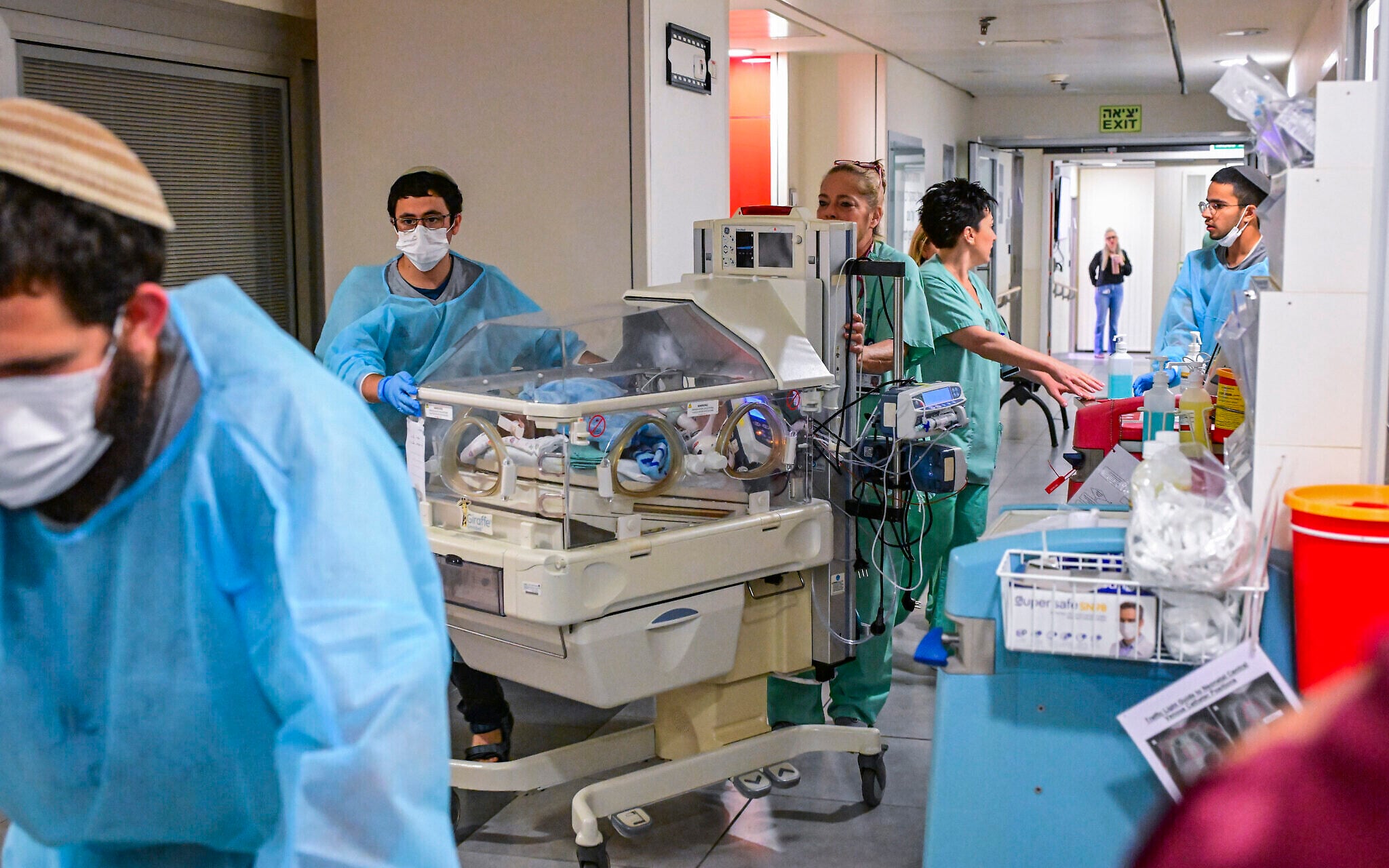
Hospitals across Israel on Monday relocated operations to their underground shelters after Iran renewed its ballistic missile attacks on Israel.
In a statement, the Health Ministry said that following a situational assessment and in accordance with the Home Front Command instructions, hospitals were also told to prepare to release patients who are able to return home and to mobilize personnel for a rapid transition to emergency status.
In addition, health fund clinics and well-baby clinics that don’t have a nearby bomb shelter will not be operating, the ministry said.
Non-emergency and elective surgeries were canceled at hospitals.
Just last week, the Galilee Medical Center announced that it was returning above ground, after bringing its operations underground days earlier due to Hezbollah rocket fire.
In the recent wars with Iran, hospitals and other medical facilities use protected operating rooms above ground and convert underground parking lots, storage areas, and unused spaces into shelters to protect their patients and staff from ballistic missile attacks.

Iran on Sunday night launched missiles at Israel for the first time since an April truce that halted over a month of fire triggered by joint Israeli and US attacks on the regime.
Iran said Sunday it launched the missiles in retaliation for an Israeli strike on Beirut’s southern Dahiyeh suburb earlier in the day, targeting the headquarters of the Iran-backed Hezbollah terror group.
Despite the temporary ceasefire with Iran and separate ostensible ceasefires with Hezbollah, Israel has continued fighting the terror group in Lebanon, and Hezbollah has continued to batter northern Israel with rockets and drones. Iran has insisted that it will only agree to a comprehensive deal on ending the war if it extends to the Lebanon front.






The Times of Israel Community.