

Schools to reopen Tuesday, after students kept home for a day due to missile fire
Parents scrambled Monday as classrooms closed, but workplaces opened after attacks from Iran, Houthis; State Comptroller’s audit had said some 40% of schools lack proper shelter
 Add ToI as a Preferred Source on Google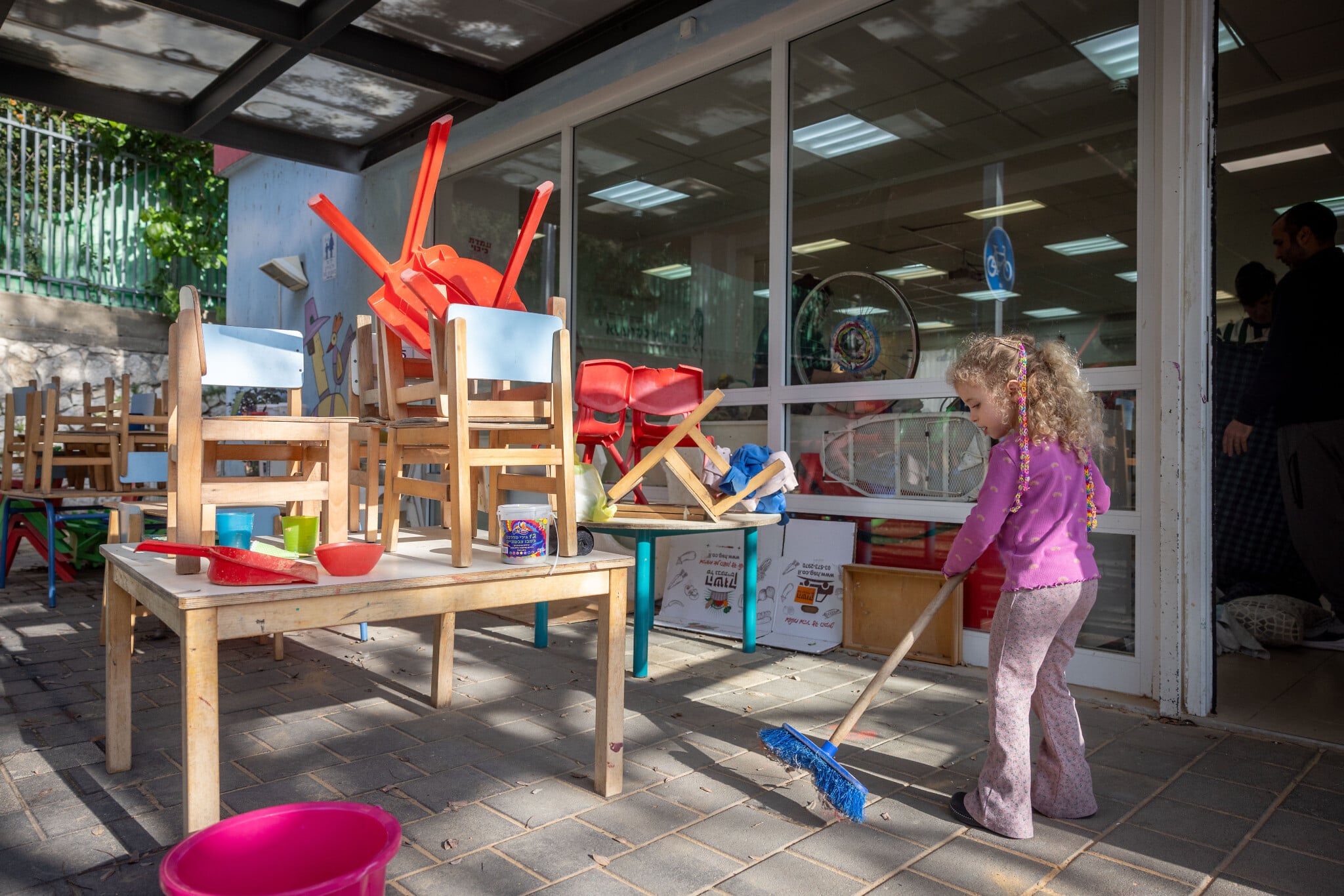
The Education Ministry confirmed Monday that schools will be allowed to reopen on Tuesday after a day in which they were closed due to missile fire from Iran and the Houthi terror group in Yemen.
The decision was an about-face, coming just hours after Education Minister Yoav Kisch had posted on X that “frontal learning” would resume only on Wednesday. But after Israel and Iran announced, under US pressure, that they were halting attacks on each other, the Israel Defense Forces Home Front Command said it would lift the restrictions it had imposed, allowing schools to reopen nationwide.
Starting Tuesday at 6 a.m., educational activities will be permitted across the country, though matriculation exams scheduled for later this week are still canceled.
In communities next to the Lebanese border, classes will need to take place near a shelter, while across the rest of the country, they will return to normal. Gatherings in areas near the Lebanon border are also restricted to 100 people outdoors and 400 indoors, according to the guidelines.
The announcement on Monday evening capped a roller-coaster ride for kids and their parents. On Sunday night, as the IDF announced that it was getting ready for an attack by Iran, the Home Front Command issued new guidelines for the whole country, effective immediately.
According to the guidelines, regular activity could proceed in workplaces, provided that a secure space could be reached within the time specified by alerts of incoming attacks (which vary by location). When relevant, employers could also ask their employees to work remotely.
Schools and kindergartens, however, were just required to shut down, with no exceptions.
“Tomorrow, there are no classes and no matriculation exams. Schools and educational institutions across the country are closed according to Home Front Command guidelines,” read a laconic X post by Kisch.
The decision left parents once again scrambling for solutions to both go to work and take care of their children at home on a moment’s notice, after having done so for weeks earlier in the current war.
“Canceling all the schools while keeping the economy open. Nothing beats the feeling of a slap in the face,” Doron Shabti, founder and director of the Alon Center for Returning to Life, an organization that supports reserve soldiers, wrote in a post on X.
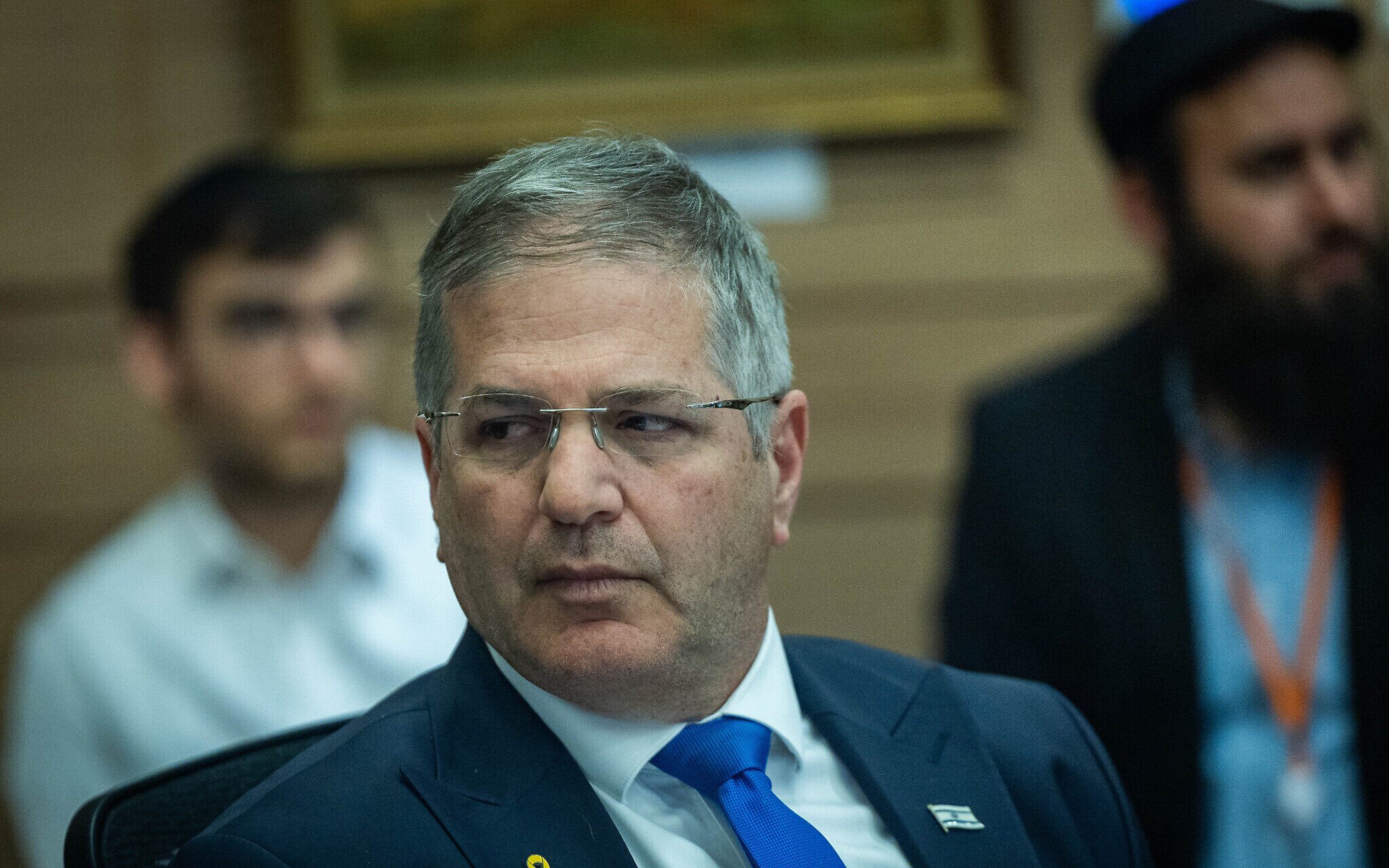
“The way they are behaving is disgraceful,” responded journalist and author Amir Tibon. “The government had two months to learn the lessons from the previous confrontation with Iran and put in place mechanisms to allow educational activities to continue during a renewed escalation. Instead, it did nothing and has once again resorted to the easiest option: burdening parents and punishing children.”
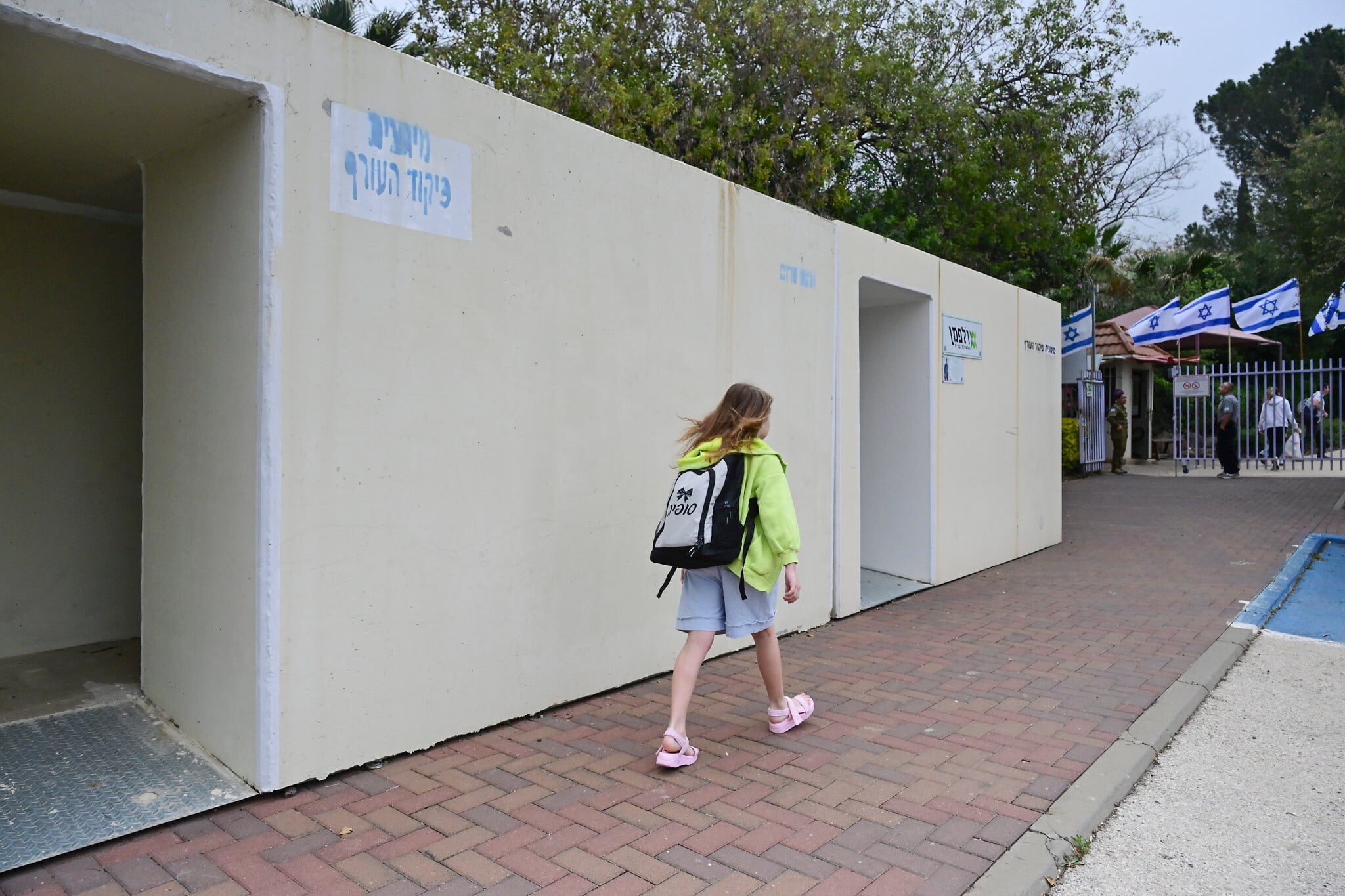
A State Comptroller’s audit, presented to the Knesset Education and Culture Committee in March, revealed that around 40 percent of Israeli schools, attended by about 466,000 students, lack adequate access to shelters. The ministry also did not have data for about half of the kindergartens.
During the last round of the war with Iran, for the first few days, both schools and non-emergency workplaces were shut down (though workers could work from home, and some schools started holding classes remotely independently).
About a week after the hostilities began on February 28, workplaces were allowed to resume regular activities provided that adequate access to shelter was guaranteed.
Some ten days into the war, Kisch announced a plan to gradually reopen some schools with adequate access to shelter for frontal learning in areas considered at lesser risk of attack and classified as such (color-coded yellow) by the Home Front Command.
However, the implementation of the plan kept being postponed. When it took effect in very limited areas of Israel, some cities decided to keep their schools closed despite being allowed to reopen. Nearly all schools in the country only resumed in-person classes after a ceasefire was declared on April 8.







The Times of Israel Community.