

Israel and Iran say they’re halting attacks on each other, after Trump pressure
Israeli official says ‘the sense is that this round of fighting is behind us,’ stresses IDF operations against Hezbollah to continue; PM to hold full security cabinet meeting tonight
 Add ToI as a Preferred Source on Google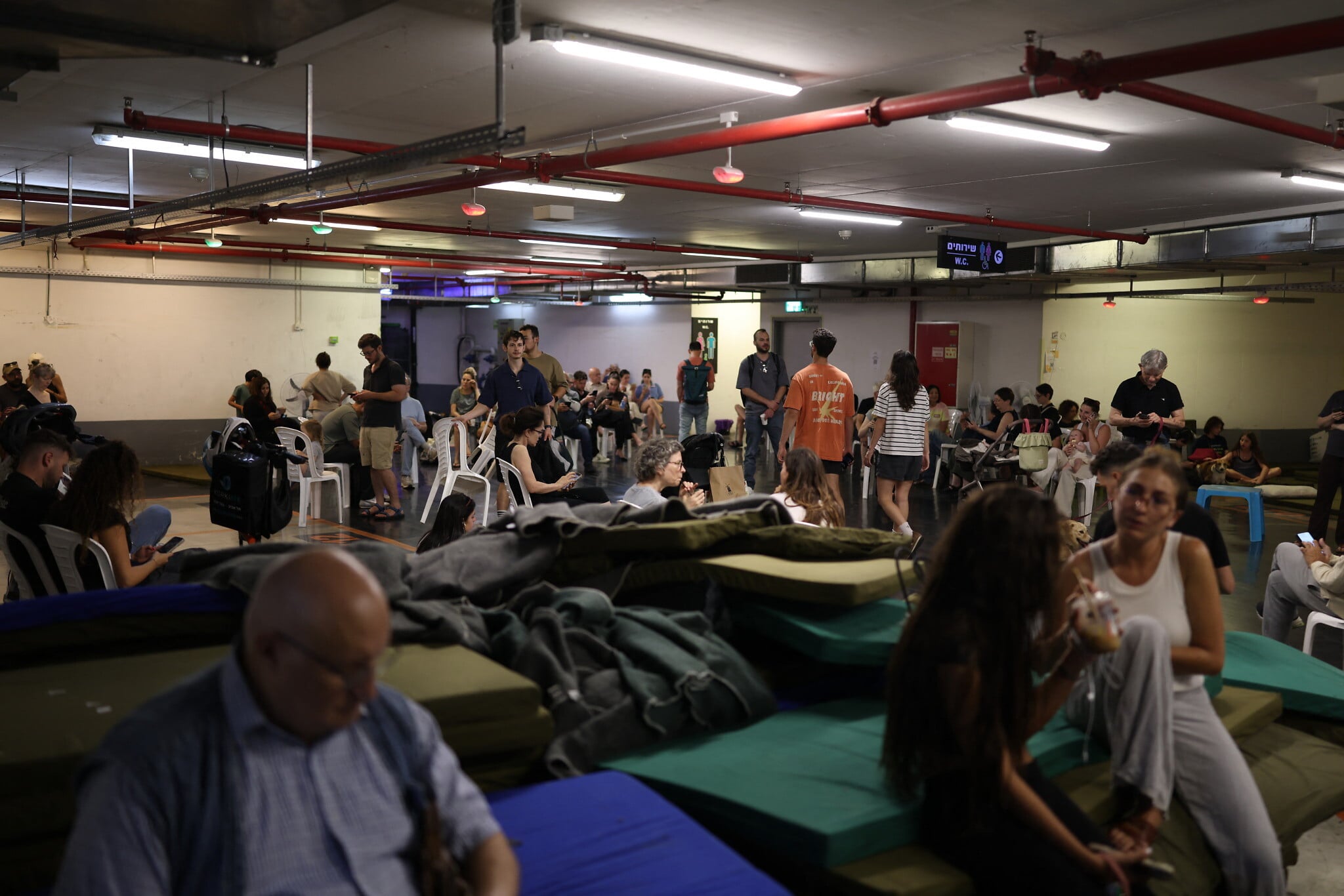
Israel has decided to halt its strikes against Iran, an Israeli official said Monday afternoon, after US President Donald Trump declared on social media earlier in the day that Israel and Iran “must immediately stop ‘shooting’,” and Tehran announced it would hold its fire unless the IDF kept up attacks on Lebanon.
Trump’s brief post on his Truth Social platform was followed by a longer one claiming Israel and Iran were “looking to do an immediate CEASEFIRE” after they exchanged fire overnight for the first time in two months.
A second Israeli official told Hebrew media that the decision to halt strikes on Iran was made at Trump’s request, but stressed Israel will not stop its offensive against Hezbollah in southern Lebanon. “The sense is that this round of fighting is behind us,” the official said. “We are awaiting a final decision from the political leadership.”
A regional official also said Monday the US had told Iran there would be no more attacks by Israel if Tehran halted its missile strikes, and that Israel had agreed to halt attacks for now.
Prime Minister Benjamin Netanyahu and Trump reportedly spoke over the phone Monday, and Netanyahu was set to convene his full security cabinet Monday at 9 p.m., the office of one of the cabinet ministers told The Times of Israel.
The Prime Minister’s Office has not responded to repeated requests for comment since the escalation in fighting against Hezbollah and Iran began Sunday.
Both sides, Israel and Iran, are looking to do an immediate CEASEFIRE! Final negotiations on “Peace” are proceeding, subject to ignorance or stupidity getting in its way. The Blockade will remain in place, and in full force and effect, until a “Final Deal” is reached. Things… pic.twitter.com/qYKr8flknz
— Commentary Donald J. Trump Truth Social Posts On X (@TrumpTruthOnX) June 8, 2026
Before the comments from Israeli and regional officials, Trump posted a series of announcements on Truth Social, declaring that Israel and Iran “must immediately stop ‘shooting’,” and claiming that the two countries were “looking to do an immediate CEASEFIRE,” after they exchanged dozens of strikes overnight for the first time since early April.
“Final negotiations on ‘peace’ are proceeding, subject to ignorance or stupidity getting in its way,” he wrote.
The US naval blockade on Iran-linked shipping “will remain in place, and in full force and effect, until a ‘Final Deal’ is reached,” Trump said, adding: “Things should move quickly.”
Iran’s foreign ministry spokesman Esmaeil Bahgaei said Pakistani mediation to end the war was “naturally continuing in all circumstances.”
Iran later announced it was halting attacks on Israel, but threatened a further response if Israel continued its “aggression” in Lebanon, where the IDF has targeted Hezbollah as the Iranian-backed terror group has battered northern Israel.
“The cessation of armed forces operations is announced,” Khatam al-Anbiya, Iran’s emergency military command, said in a statement carried by Iranian media. “However, it is emphasized that if the aggression and acts of malice continue, including in southern Lebanon, much more severe and crushing measures than before will be forthcoming.”
Despite the various announcements, Israel and Hezbollah continued trading fire Monday, with rocket sirens sounding in several northern communities after the terror group targeted troops stationed in southern Lebanon. Israel responded with a series of strikes on Hezbollah targets in that area.
Before the Israeli and Iranian talk of stopping bilateral fire, the IDF said it was prepared for at least a few more days of fighting, and potentially a full resumption of the war.
The military said that it was in “close coordination” with the US military’s Central Command, and that the US military helped shoot down Iran’s missiles. IDF Chief of Staff Lt. Gen. Eyal Zamir also spoke three times with CENTCOM chief chief Adm. Brad Cooper, according to the Israeli military.
However, the IDF said the US was uninvolved in the renewed attacks on Iran, even as Tehran blamed Washington for the renewed fighting.
Iran fired 24 missiles, all either shot down or hit open areas, IDF says
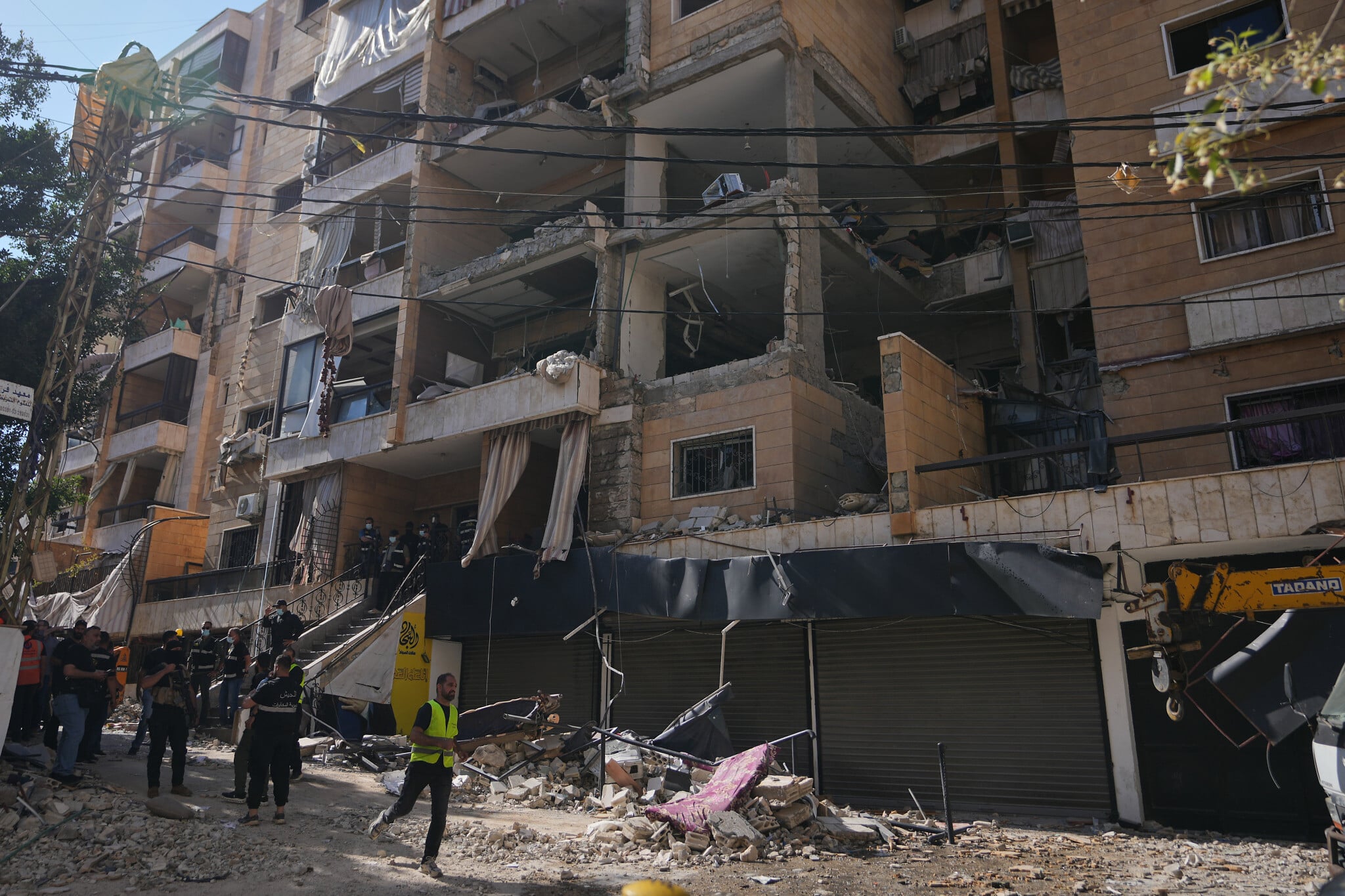
The fresh round of Iranian-Israeli conflict began on Sunday night when Iran launched its first missile attacks on Israel since April 8, hours after Israel struck Hezbollah infrastructure in Beirut despite a Lebanon ceasefire deal that Trump announced last week.
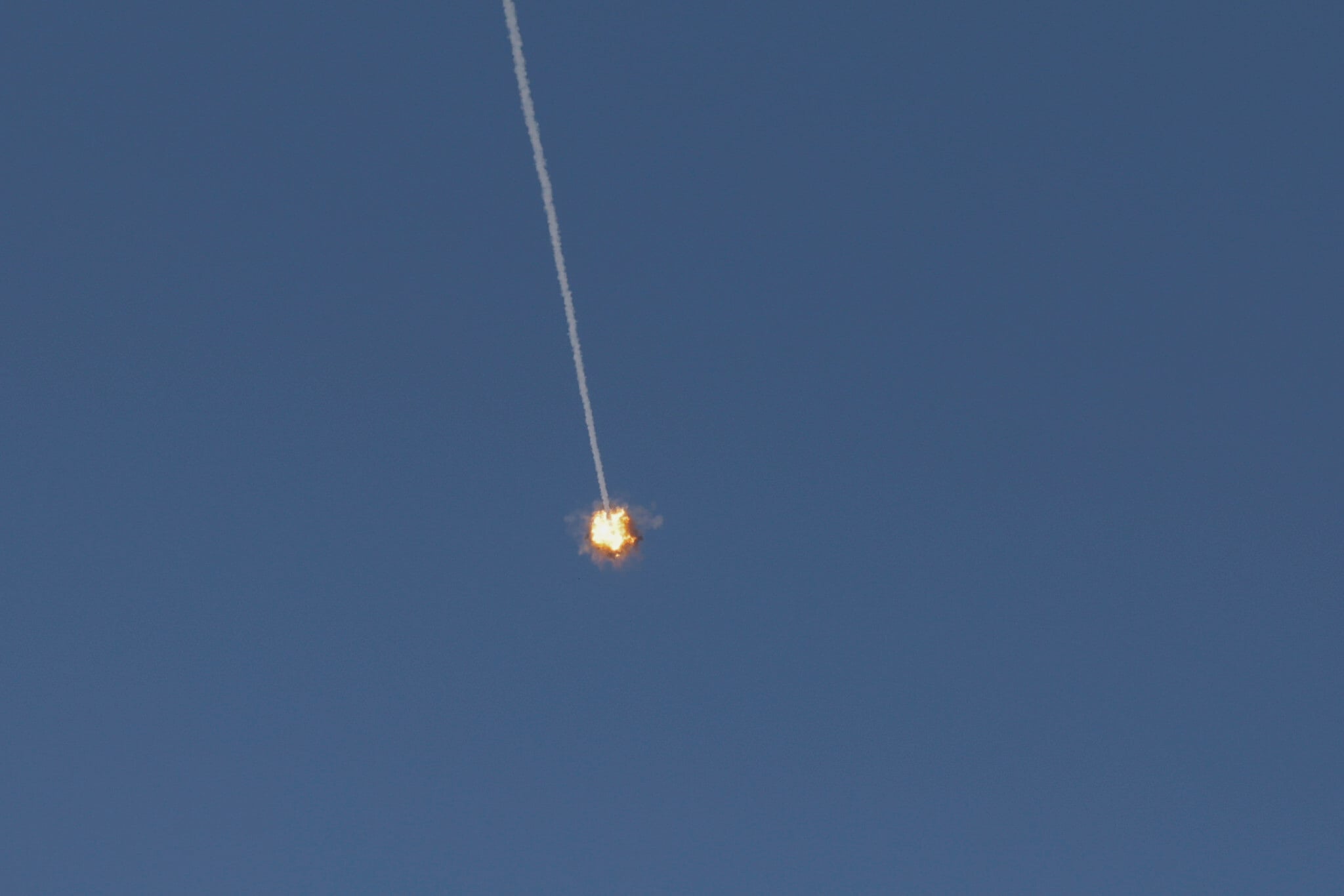
Between Sunday night and Monday afternoon, Iran fired a total of 24 ballistic missiles at Israel, all of which were intercepted or hit open areas, the IDF said.
Yemen’s Iran-backed Houthi rebels also fired two ballistic missiles at Israel on Monday morning, one of which was intercepted, while the second failed to reach Israel, according to the military.
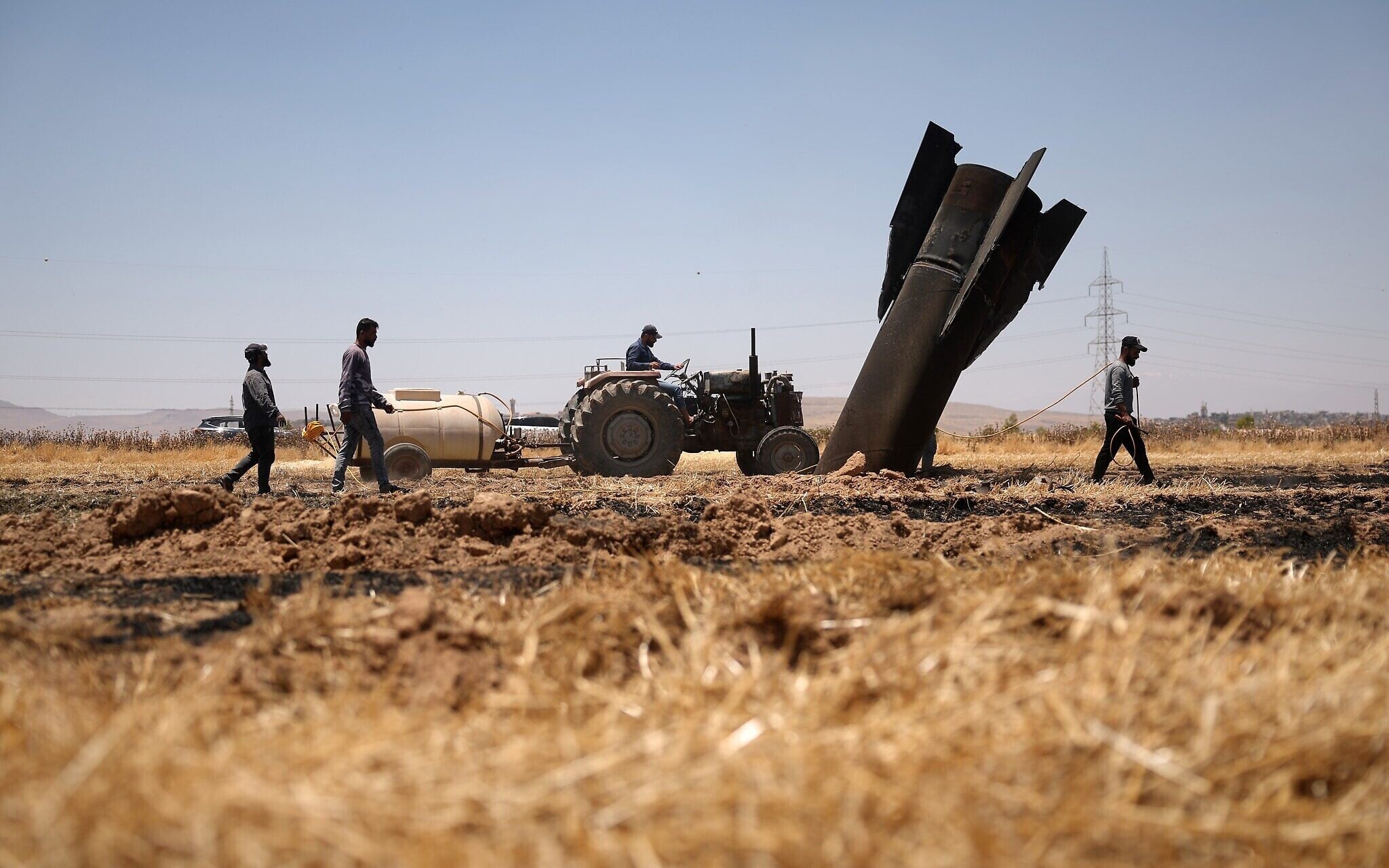
No injuries were caused in the attacks, although a missile fragment that struck the West Bank caused damage to several homes in a settlement.
Israel responded with two waves of strikes on Iran, targeting military and energy infrastructure.
Overnight, dozens of Israeli Air Force fighter jets struck nine Iranian air defense systems in western and central Iran. The IDF later published footage showing a strike on one of the systems, which the military said was armed with anti-aircraft missiles.
“The destruction of the systems further expands the Israeli Air Force’s aerial superiority in the skies over Iran, with the goal of continuing to remove threats to the citizens of the State of Israel,” the military said.
תיעוד ראשון בצבע מהתקיפות באיראן: צה"ל השמיד לפני זמן קצר מערכות הגנה אוויריות של משטר הטרור האיראני
חיל האוויר השלים לפני זמן קצר מטס תקיפה לעבר מערכות הגנה אוויריות של משטר הטרור האיראני במערב ובמרכז איראן.
צה"ל מפרסם כעת תיעוד בצבע מהשמדת אחת מהמערכות, בה אוחסנו טילים… pic.twitter.com/NVesj23CM8
— צבא ההגנה לישראל (@idfonline) June 8, 2026
On Monday morning, Israeli fighter jets also struck three factories at a petrochemical complex in southwest Iran, targeting infrastructure that Iran used to make raw materials for missiles, according to the IDF.
“The targeted infrastructure produced unique materials that serve as critical components for the development of ballistic missiles, which pose a threat to the State of Israel and its citizens,” the military said. “These are critical components of the production infrastructure supporting the Iranian terror regime’s missile program.”
Iran’s Islamic Revolutionary Guard Corps claimed it targeted a petrochemical facility in Haifa in retaliation.
“The Aerospace Force of the Islamic Revolutionary Guard Corps, in response to the aggression of the American-Zionist enemy against a petrochemical industry facility, targeted similar industrial facilities in Haifa with missile strikes a few moments ago,” the IRGC’s official media outlet Sepah News said.
Israel “has initiated a dangerous game, the scope of which will encompass all energy-related targets in the region,” the IRGC said, blaming the US for any consequences for the global economy.

Separately, Iranian media reported Monday morning that a hostile drone was shot down over Tehran following explosions and air defense activity in Tehran.
Bahgaei, the Iranian foreign ministry spokesman, said Monday that the renewed fighting with Israel would only worsen a “chaotic diplomatic process” with the US.
“It is perfectly natural that the diplomatic process initiated to put an end to this imposed war would be affected,” Baghaei told a press conference in Tehran.
He added that Israel’s actions could not be separated from US policy.
“Without a doubt, as I said, the actions of the Zionist regime in the region cannot be separated from US policies,” Baghaei said. “No one believes that the Zionist regime would carry out any action without prior coordination and cooperation with the United States.”
Iran and the US launched a bombing campaign in Iran on February 28 in a bid to destabilize its regime and destroy its ballistic missile and nuclear programs. Iran responded with missile and drone strikes across the region. The fighting entered a truce on April 8.
Hezbollah dragged Lebanon into the wider regional war on March 2 with the terror group’s first rocket attacks on Israel since a November 2024 ceasefire agreement that ended over a year of hostilities.



The Times of Israel Community.