

Tel Aviv shares drop, shekel recedes against dollar as fighting with Iran resumes
Crude prices jump over 4%, compounding dips in European and Asian markets, as financial and insurance indices lead losses on Tel Aviv Stock Exchange
 Add ToI as a Preferred Source on Google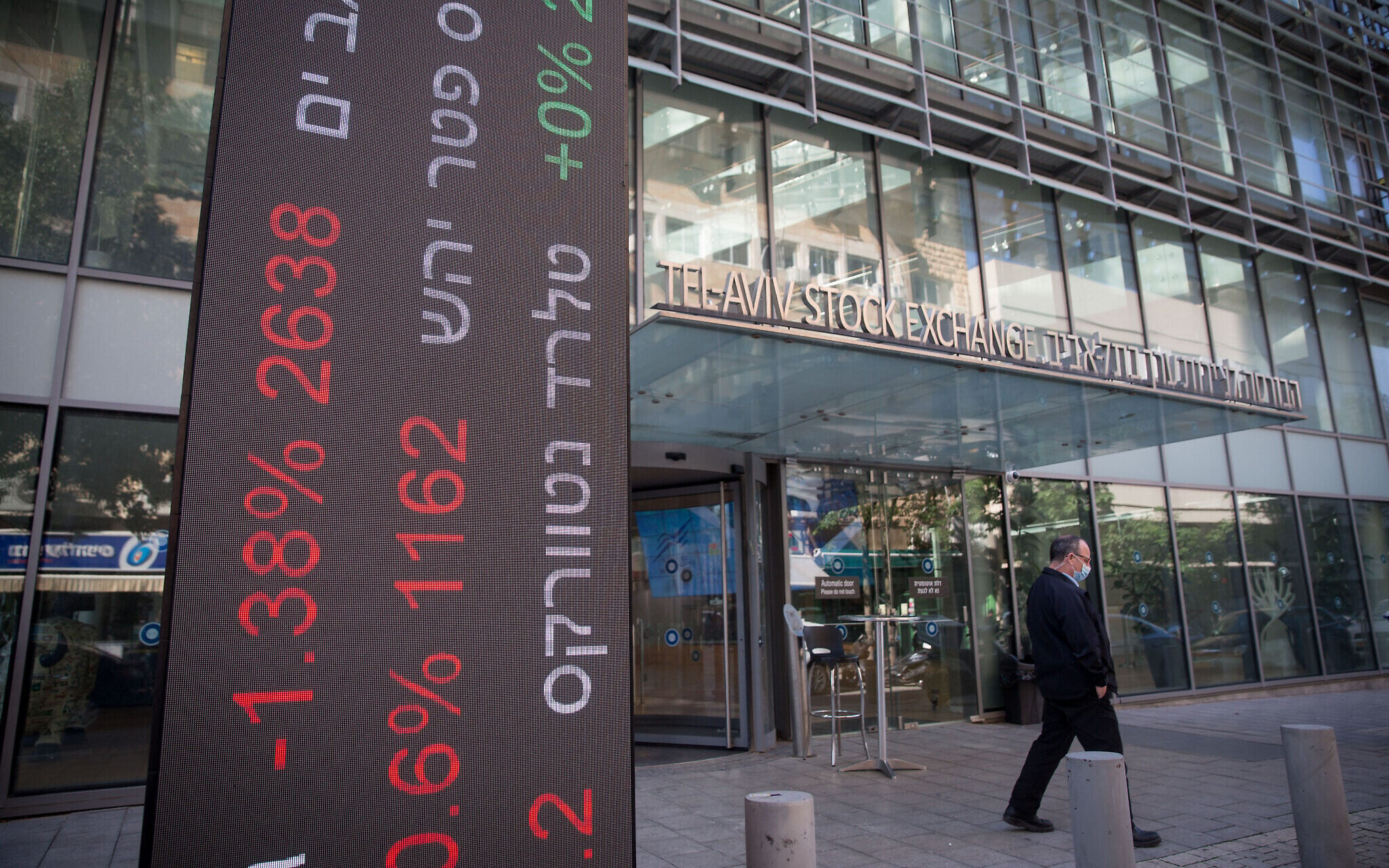
The Tel Aviv Stock Exchange posted losses and the shekel weakened against the dollar on Monday after Israel and Iran exchanged fire for the first time in two months.
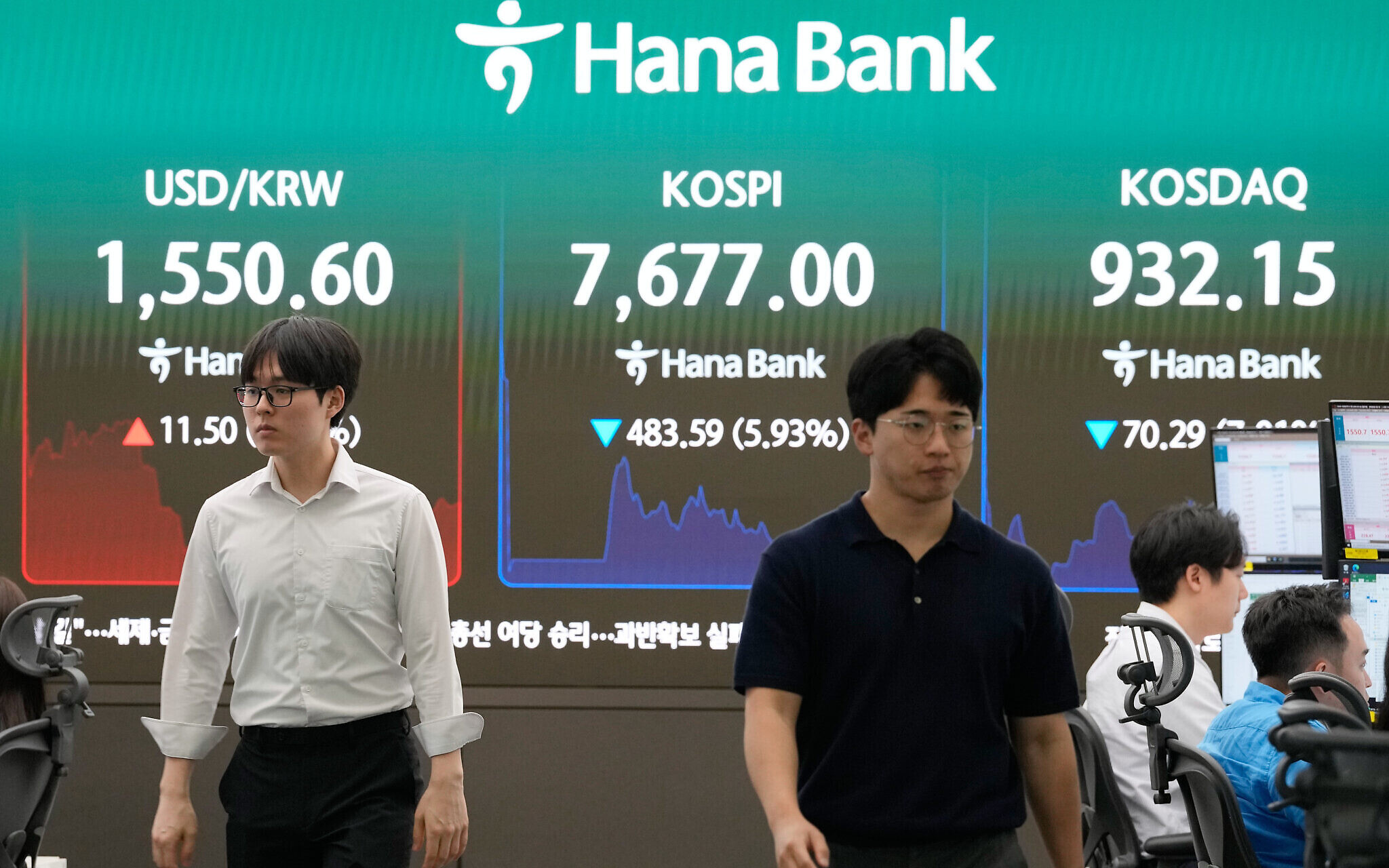
Major indices in Europe and Asia posted losses amid the renewed tensions and a global selloff in AI shares. Oil prices spiked, with the international benchmark Brent crude jumping by $4.60 to $97.69 a barrel, triggering losses of over 2 percent for energy-sensitive airlines like Lufthansa and Air France.
In Israel, the Tel Aviv exchange’s benchmark TA-125 index fell 2.4% in morning trading. The TA-35 index of blue-chip companies was down 2.5%.
The TA-90 index, which tracks the shares with the highest capitalization not included in the TA-35 index, fell 2.2%.
The TA-Finance index dipped 2.8%, and the TA-Insurance index took a 3.6% dive.
Meanwhile, the New Israeli Shekel lost 1.4% in value compared with the US dollar, trimming the shekel’s steep gains against the dollar to 15% over the past 12 months.
Ronen Menahem, chief markets economist for the Mizrahi Tefahot Bank, said it was “too early to assess the magnitude of the consequences of the mutual attacks by Iran and Israel last night and this morning — and Iran-backed Houthis in Yemen joining the campaign in the early hours of the morning.”
“There is no doubt that this is a negative development for markets in Israel and around the world, but the magnitude of the impact will depend on whether it turns out to be a limited round or a rolling renewal of hostilities,” Menahem said.
Iran on Sunday night fired missiles at Israel for the first time since reaching a truce with the US and Israel on April 8. The strikes came in response to the IDF’s targeting of Hezbollah infrastructure in Beirut after the terror group fired rockets at Israel.
Iran and its Houthi proxy in Yemen launched further attacks on Israel on Monday morning, while Israel carried out strikes on Iranian military and energy infrastructure.
Times of Israel staff contributed to this report.






The Times of Israel Community.