

Artist elevates household items to new heights in Jerusalem exhibit
Israel Museum’s Ticho House celebrates ‘Mundane Heights’ exhibit by Inbal Hoffman with virtual opening
 Add ToI as a Preferred Source on Google
Jessica Steinberg, The Times of Israel's culture and lifestyles editor, covers the Sabra scene from south to north and back to the center
When Inbal Hoffman’s new exhibit, “Mundane Heights,” opened Thursday night at Jerusalem’s Anna Ticho House, administered as part of the Israel Museum, Hoffman herself was one of the few people present.
It was the museum’s first virtual opening of an exhibit, which included the usual greetings from museum director Ido Bruno and a conversation between curator Shua Ben-Ari and Hoffman, all recorded live and featured on the museum’s Facebook page.
“The coronavirus created so many problems,” said Hoffman. “Here we are opening an exhibit that isn’t actually open.”
The exhibit is well worth a visit, once the museum opens up again. Until then, take the virtual tour.
Hoffman’s artworks fill two galleries in Ticho House (and a few other corners as well). They are made from familiar materials that she uses in her regular, everyday life: plastic shopping bags, wonder sponges, Styrofoam trays, and irrigation pipes and tubes, for a start.
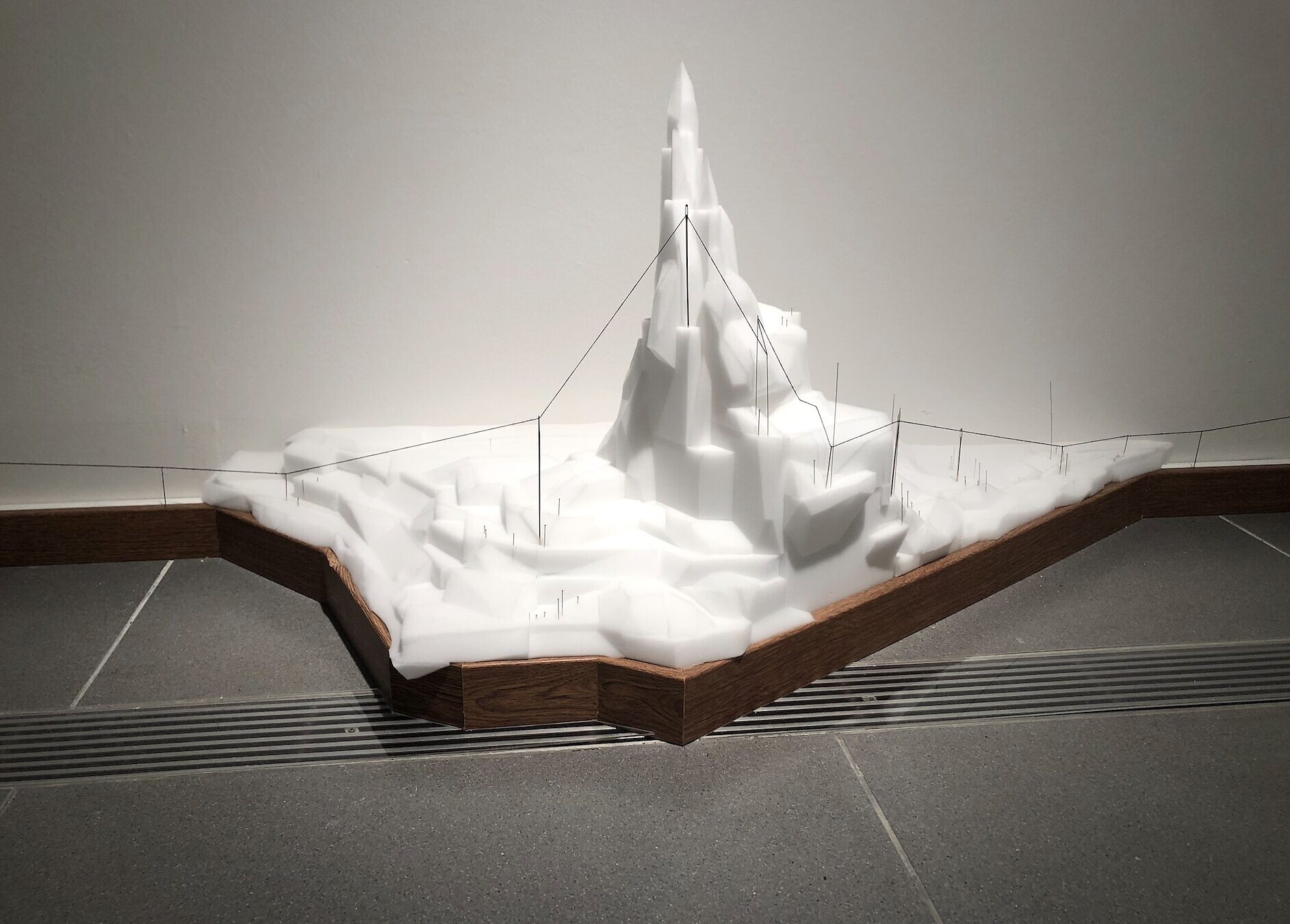
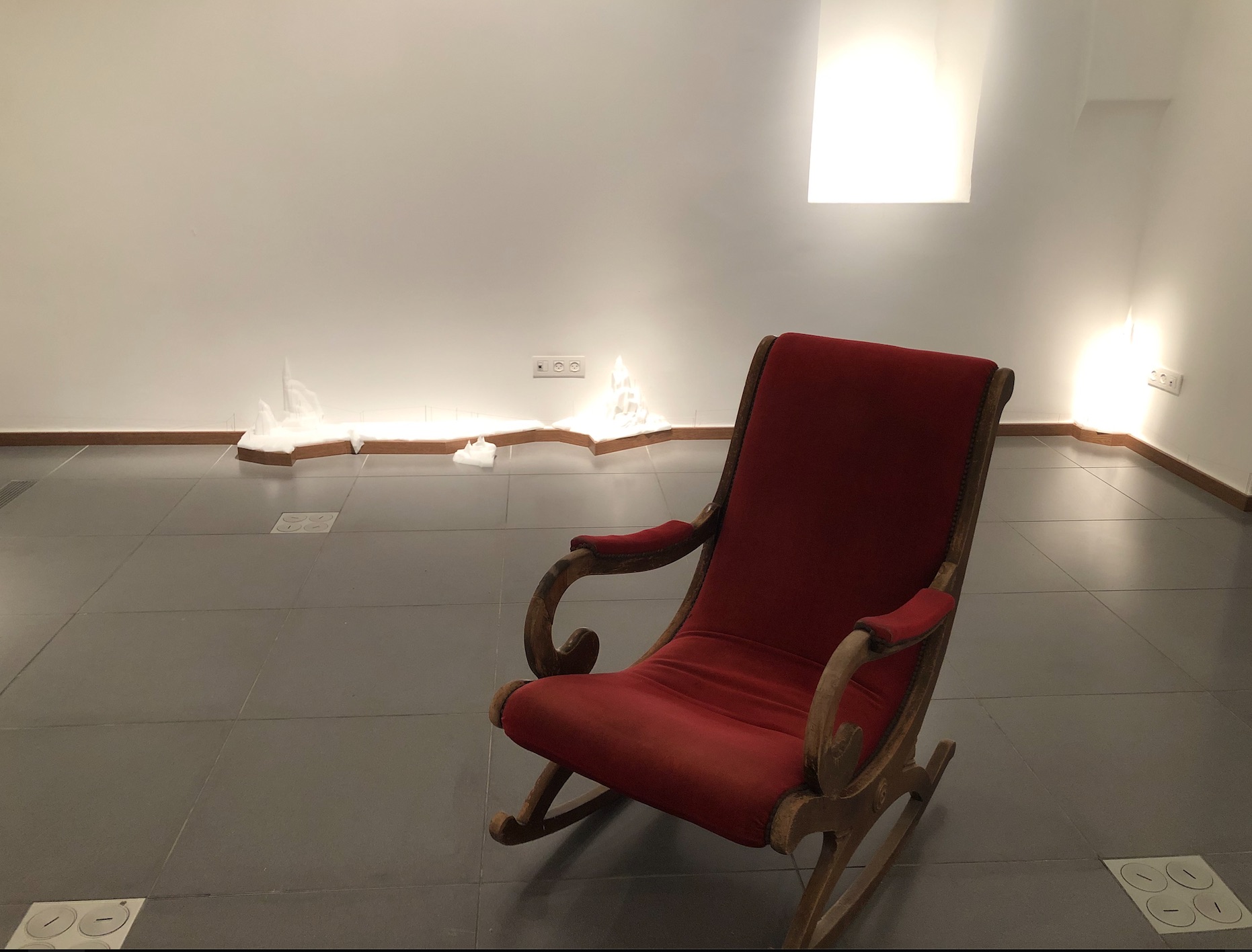
The artworks are fantastical and magical — miniature snowscapes and mountains made from wonder sponges, traversed with railings made of needles and black thread. A deep red velvet chair from Hoffman’s studio holds a place of honor, as well as her expansions on that velvet fabric, with other structures created from the deep red velvet, lined with brass studs.
The second gallery contains Hoffman’s works made from grocery bags and garbage bags, agricultural piping and Styrofoam trays, crafted into unexpected frames and structures that bear little resemblance to the simple materials from which they were formed.
For Hoffman, a mother of two, the exhibition represents her own feelings about home life and maintenance and how her daily tasks of school breakfasts and lunches, laundry and cleaning had become an increasingly dominant portion of her life.
“The time I dedicate to being a mother means less time for being an artist,” said Hoffman in a video created for the exhibit. “And now we’re stuck at home.”
She focused on the materials that are so familiar from maintaining a house, including plastic shopping bags (“I love plastic bags, any bag, it’s a romance for me”) and the so-called Wonder Sponge, as well as other simple items that “you buy at Max Stock,” said Hoffman, referring to a popular, inexpensive housewares store in Israel.
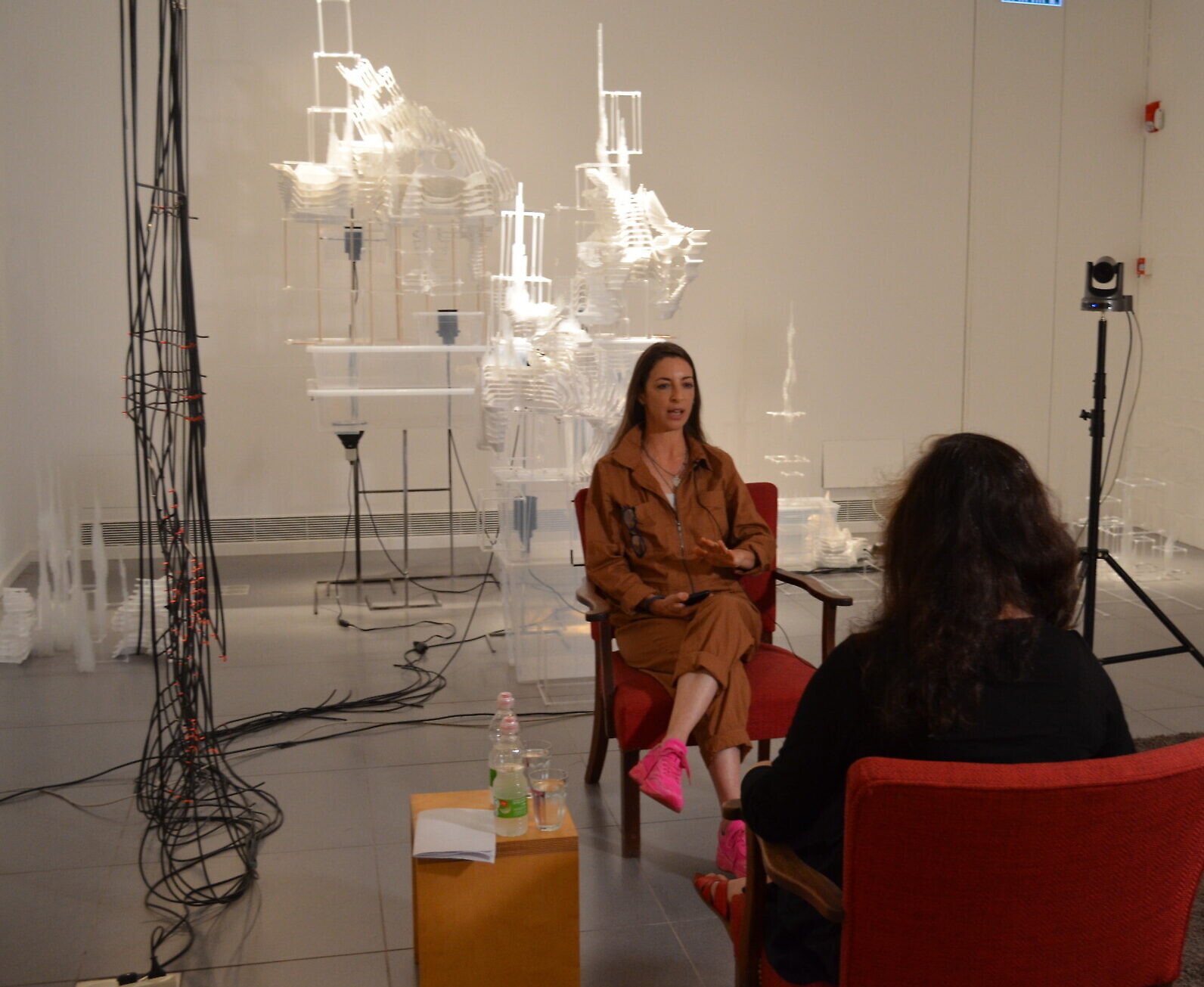
Hoffman created entire worlds out of those recognizable daily products, emphasizing the tension she feels about wasting time on the mundane when she could be creating the arcane.
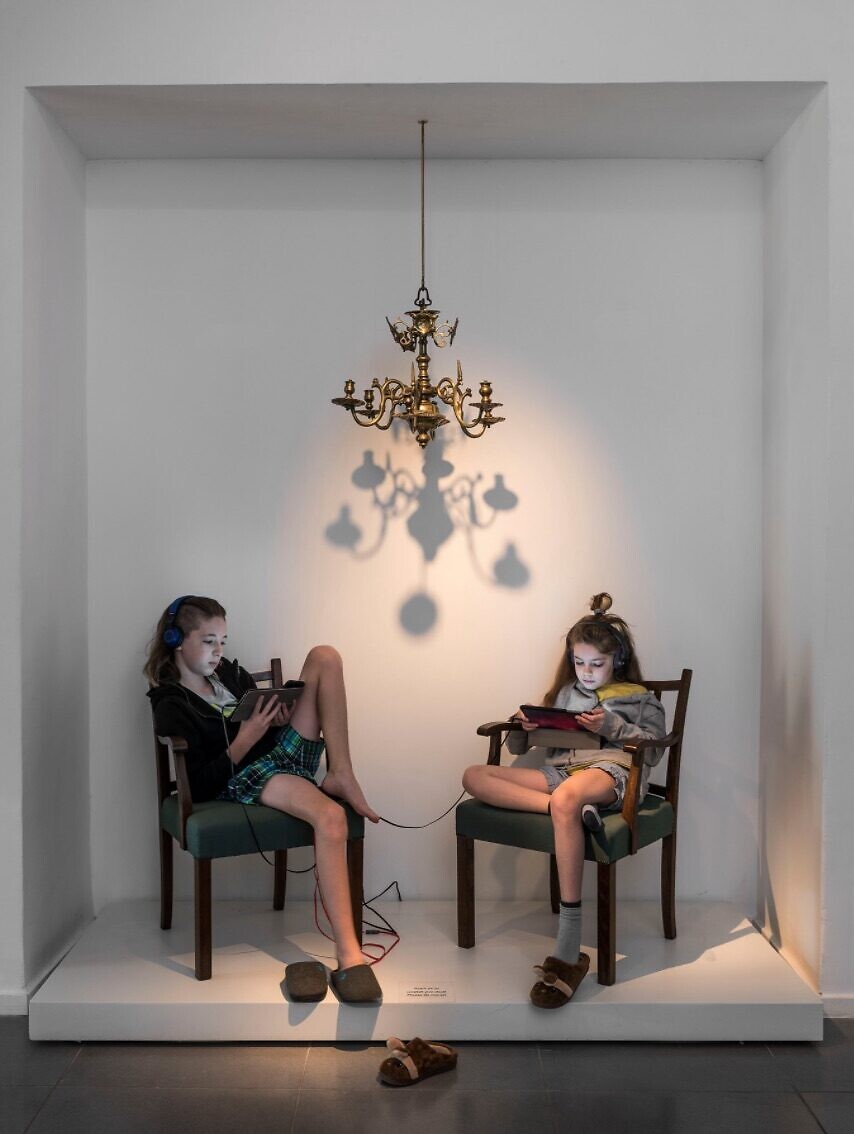
Housing the exhibit at Ticho House was another element of her artworks. Hoffman said she knew that creating for the historic home made her exhibit more site-specific, and was at first stymied, knowing that she could not move or change certain items in the landmarked building.
She adjusted. Hoffman took more of those random Max Stock purchases, including velvet-wrapped clothing hangers and plastic sculptures, and placed them around the Ticho House galleries. She also brought her two daughters, and photographed them sitting on two Ticho House chairs that are on display.
“We’re all in this place of doing what’s not allowed and we all escape,” said Hoffman. “I do it with Magic Sponges and they do it with Minecraft.”
The red velvet chair that is also part of the exhibit may be found in the center of first gallery. It is the seat where Hoffman sits for a moment each day, once she gets to work, thinking about what she wants to work on.
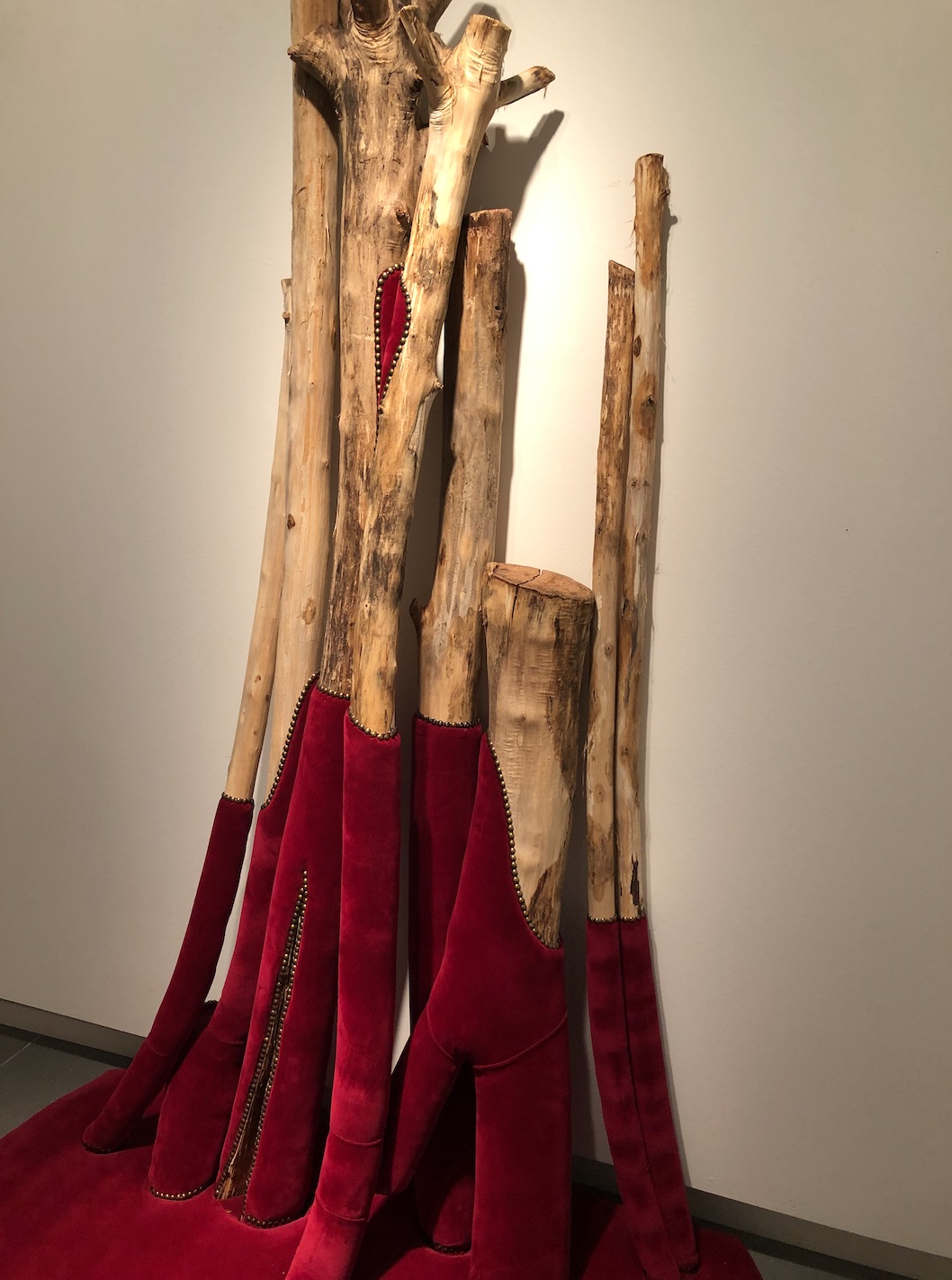
While preparing for the show, Hoffman was unconsciously working with the red velvet and studs, when the curator, Shua Ben-Ari, prodded her to use them in “Mundane Heights” as well, which she did, wrapping tree trunks in the red velvet and studs, along with several other creations.
“It’s sort of, ‘walk a mile in my shoes,'” said Hoffman of her chair. “Here’s something else that’s allowed in a place where certain things are forbidden.”
While not all of the works were created entirely during the last eight months of the coronavirus, the ongoing pandemic only served to amplify Hoffman’s thoughts about what home represents in this prolonged time spent at home.
“It’s a process of many years,” said Hoffman of the artworks. “These works allow me to escape from the house using the same materials that keep me busy there.”









The Times of Israel Community.