

At UN General Assembly, 50 male speakers before the first woman
Speeches from each of the 193 UN member nations began Tuesday; President Zuzana Čaputová of Slovakia will be first female to take podium Wednesday
 Add ToI as a Preferred Source on Google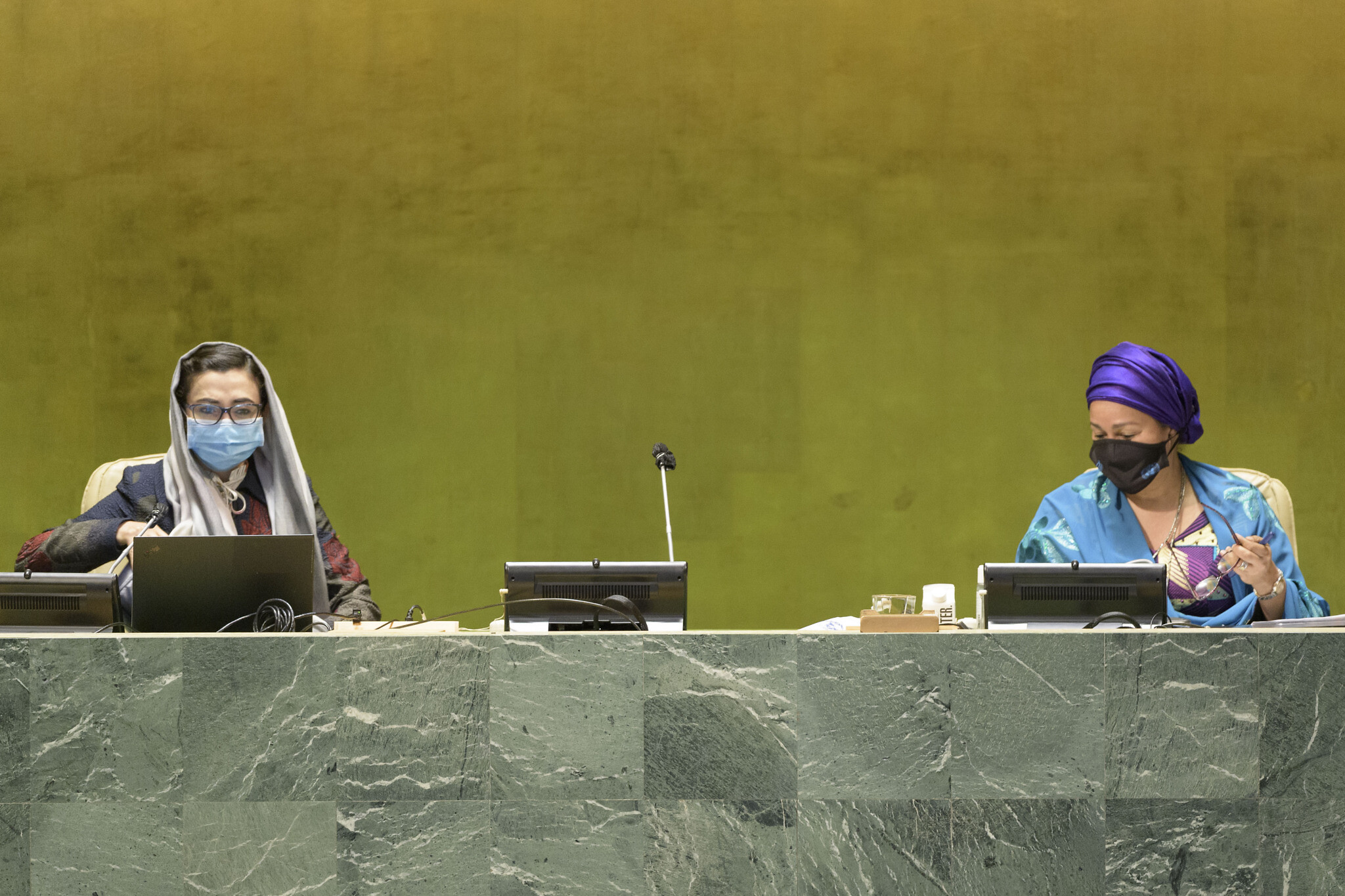
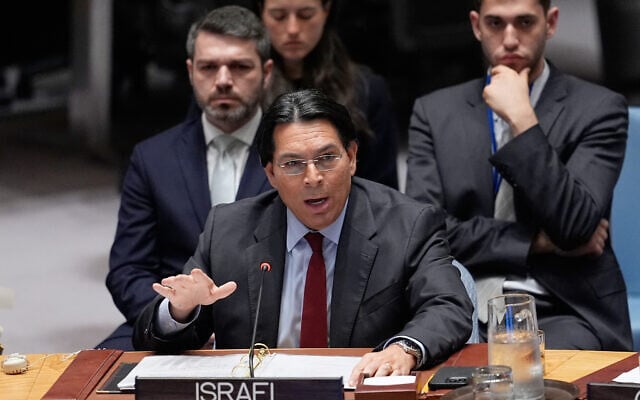
As the world’s leaders gathered remotely this year for the UN General Assembly due to restrictions of movement caused by the coronavirus, something else looked unusual: All of the speakers on the first day were men.
As the schedule goes, it will be some 50 speakers before President Zuzana Čaputová of Slovakia gives her prerecorded remarks Wednesday afternoon.
Speeches from each of the 193 UN member nations began Tuesday, which traditionally serves as a platform for countries to tout accomplishments, seek support, stoke rivalries, and express views on global priorities.
According to tradition, Brazil speaks first and the United States second at the UN gathering. After that, the world body said, “the speaking order is based on the level of representation, preference, and other criteria such as geographic balance.”
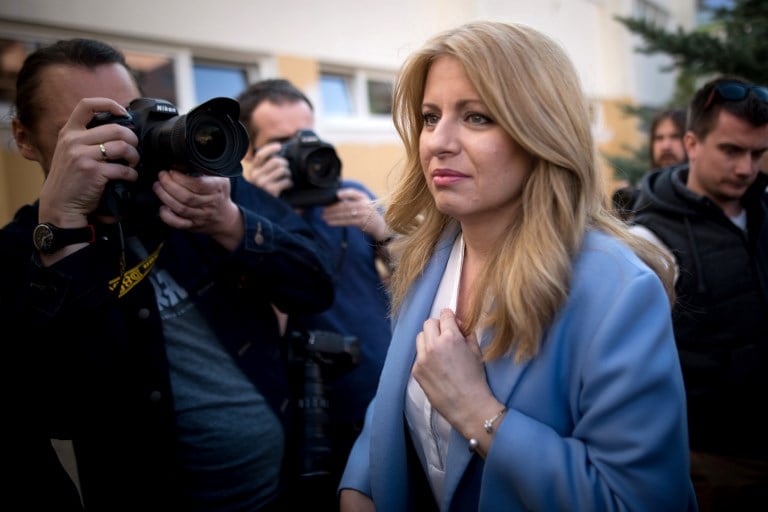
Just two other women are set to speak Wednesday: Bolivia’s interim president, Jeanine Anez, and Simonetta Sommaruga, president of the Swiss Confederation.
Incidentally, the UN has never had a female secretary-general, though a spirited campaign pressed for one ahead of the selection of current UN chief Antonio Guterres.
Due to COVID-19, just one representative from each of the UN members was allowed to attend the event in person, and only someone who was already in the United States. Everyone else must appear by videoconference, including some 160-170 heads of state and government planning addresses.
“Diplomacy, to be effective, requires personal contacts, and I am very sorry that we are not going to have the opportunity to bring together leaders of countries,” said UN Secretary-General Antonio Guterres.





The Times of Israel Community.