

Check out Jerusalem’s medieval restaurant lane, and other Crusader history
The Tower of David Museum takes you back in time with specialized tours in English
 Add ToI as a Preferred Source on Google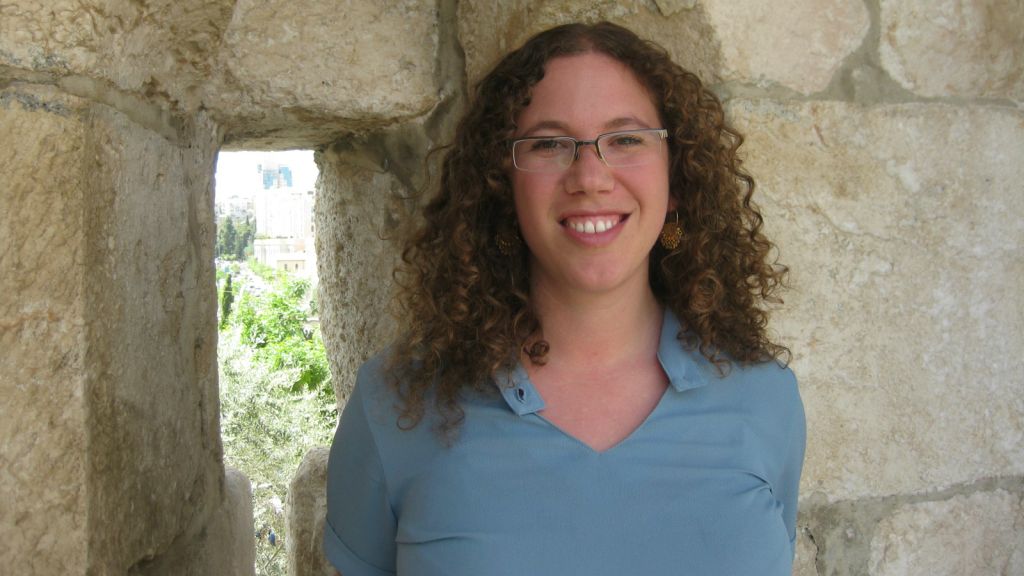
Where would a visiting Crusader grab some takeaway in medieval Jerusalem? That would be Malcuisinat, or the Street of Bad Food, built by Queen Melisende in 1152.
“There were no kitchens inside the houses,” explains Dr. Neta Bodner, an expert in Crusader architecture, who uses the buildings and texts from the period to help reconstruct the everyday routine of the people who lived there.
“The built environment with the texts tells a lot about the experience of the pilgrim coming to Jerusalem,” says Bodner. “You have everything from a royal palace to a big church to latrines to places where people made food. We get a sense of how big a space was needed for a fire, how the water was brought, which wells were used.”
Bodner, a post-doctoral fellow in the Beyond the Elite history project directed by Elisheva Baumgarten at the Hebrew University, will share her knowledge of the city in the first of a new series of Friday morning tours in English for the Tower of David Museum, allowing visitors rare insights into the different cultures and personalities that have created Jerusalem’s unique urban fabric.
Bodner will explore the formidable fortresses that combined with beautiful buildings and an influx of fine art and luxury items from overseas during the brief reign of the Crusader knights. She will demonstrate how the Crusaders brought their own Romanesque architecture from Europe which blended with local Byzantine and even Muslim styles to create a unique Jerusalem building tradition. Afterwards, the Crusaders exported it back to some of their native countries, creating a facsimile of the Holy Sepulchre in the Baptistry of Pisa and copies of several holy sites scattered through seven churches in Bologna — a medieval attempt at virtual reality.
“You can totally imagine the cultural exchange that was going on a thousand years ago,” she says.
Her tour Game of Thrones: Crusader Architecture of Art and Intrigue on Friday, April 28, will take participants from Mount Zion to the Church of the Holy Sepulchre, exploring the lives of the knights and kings, queens and bishops, and the daily routine of pilgrims and simple fighters.
On Friday, May 26, architect Moshe Shapira will guide visitors through the new city in a tour titled The Sky’s the Limit: Between Euphoria and Traditionalism 1967-1980. Shapira will explain how the architecture of the city changed after the 1967 Six Day War as destruction gave place to euphoric construction.
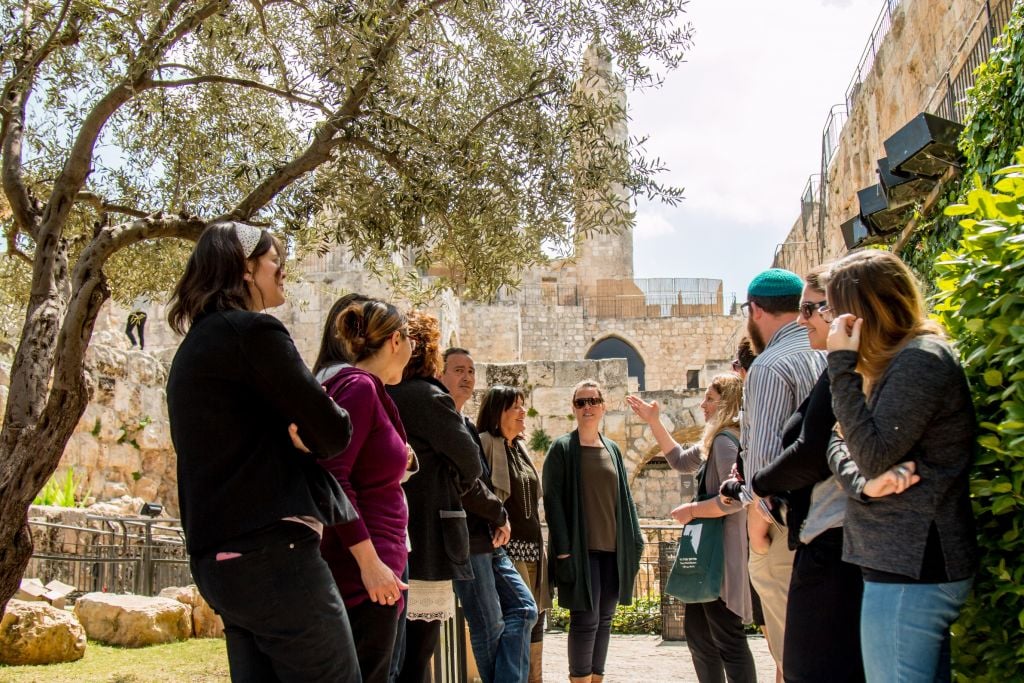
The last tour in the series is Jerusalem in Turquoise: Süleyman the Magnificent, Builder of Jerusalem on Friday, June 30. Moshe Igur will lead participants on an exploration of the city’s iconic Ottoman constructions, including the aqueduct, the Sultan’s Pool, the Old City walls and the Tower of David itself. The tour includes a visit to the Sephardi synagogues founded by the Ladino community that was given refuge in the Ottoman Empire after the expulsion from Spain in 1492 and became one of the largest and most important communities in Jerusalem through the 19th century.
“The Tower of David is a meeting point for locals and visitors, and as such we wanted to open up Jerusalem to English speakers as well,” says Eilat Lieber, director of the museum. “For the past year, the Tower of David has produced a sold-out series of tours led by experts looking at the many faces of Jerusalem, from buildings and architecture, to beer tasting and traditional foods, to different mystical beliefs and traditions in the Old City and meetings with Jerusalemites who have a story to tell about their communities and families.”
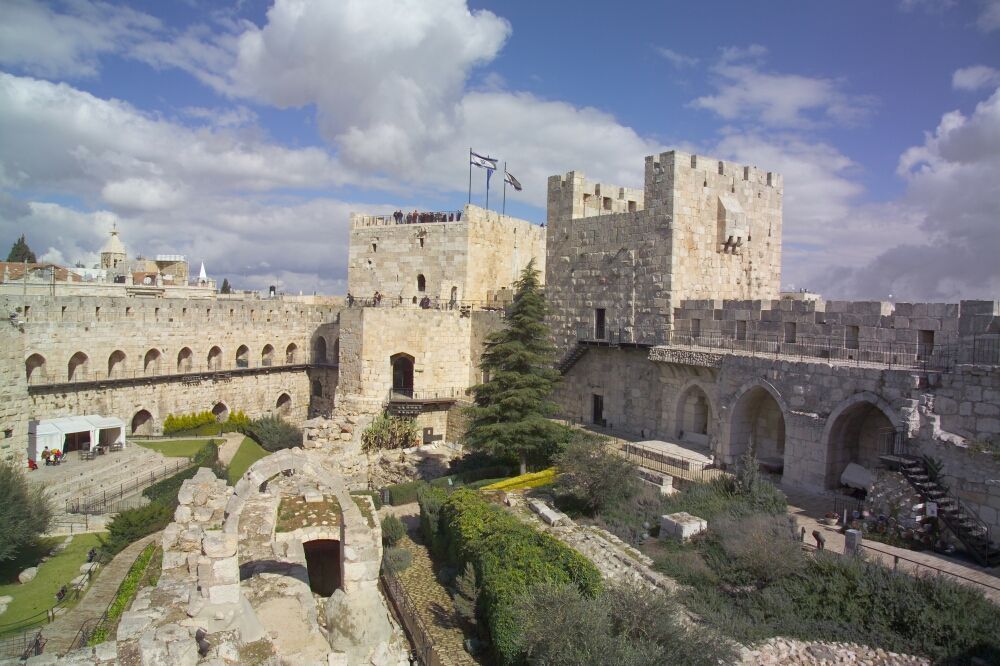
Lieber says the new tours are part an expanded program for tourists and residents presented in English. It features monthly authors’ events co-hosted with The Times of Israel, daily tours of the museum, Herod’s palace and the excavations in the adjacent Kishle building, and taking visitors into the city beyond the museum itself to reveal things not usually found on a regular guided tour.
Crusader tour on April 28: NIS 90, NIS 80 students/senior citizens. Special discount price of NIS 72 for readers of The Times of Israel. When booking, use the code TIMESOFISRAEL. Details and booking HERE.










The Times of Israel Community.