

Eight new settlements, including former illegal outposts, get final authorization
‘We’re advancing de facto sovereignty,’ says Smotrich; government has approved for construction or legalized unprecedented 49 new settlements and outposts, Peace Now says
 Add ToI as a Preferred Source on Google
Jeremy Sharon is The Times of Israel’s legal affairs and settlements reporter
The Interior Ministry on Sunday awarded municipal emblems to eight West Bank settlements that have either recently been legalized by the government, or were formerly neighborhoods of separate settlements that have now been recognized as independent.
The bestowal of a municipal emblem by the Interior Ministry is a symbolic step that completes the legalization process.
The settlements that were formerly illegal outposts are Harasha, Adei Ad, and Ahiya, while Nofei Prat, Tal Menashe, Migron and Shvut Rachel were until now considered neighborhoods of nearby settlements. Additionally, the old settlement of Sa Nur, which was evacuated in 2005 but is in the process of being rebuilt and repopulated, had its former emblem formally reauthorized.
A month ago, the commander of IDF Central Command, Maj. Gen. Avi Bluth, approved and signed off on the jurisdictional boundaries of the eight settlements following preparatory work carried out by the Civil Administration department of the Defense Ministry, which is under the authority of Finance Minister Bezalel Smotrich.
In total, some 49 new settlements or illegal outposts have been approved for construction or retroactive legalization under the current government. Prior to the tenure of the current administration, which began in late 2022, virtually no new settlements had been approved or outposts legalized since the late 1990s.
In addition, the Peace Now organization, which campaigns against the settlement movement, says that fully 174 illegal settlement outposts have been established in the nearly three years of the government’s tenure.
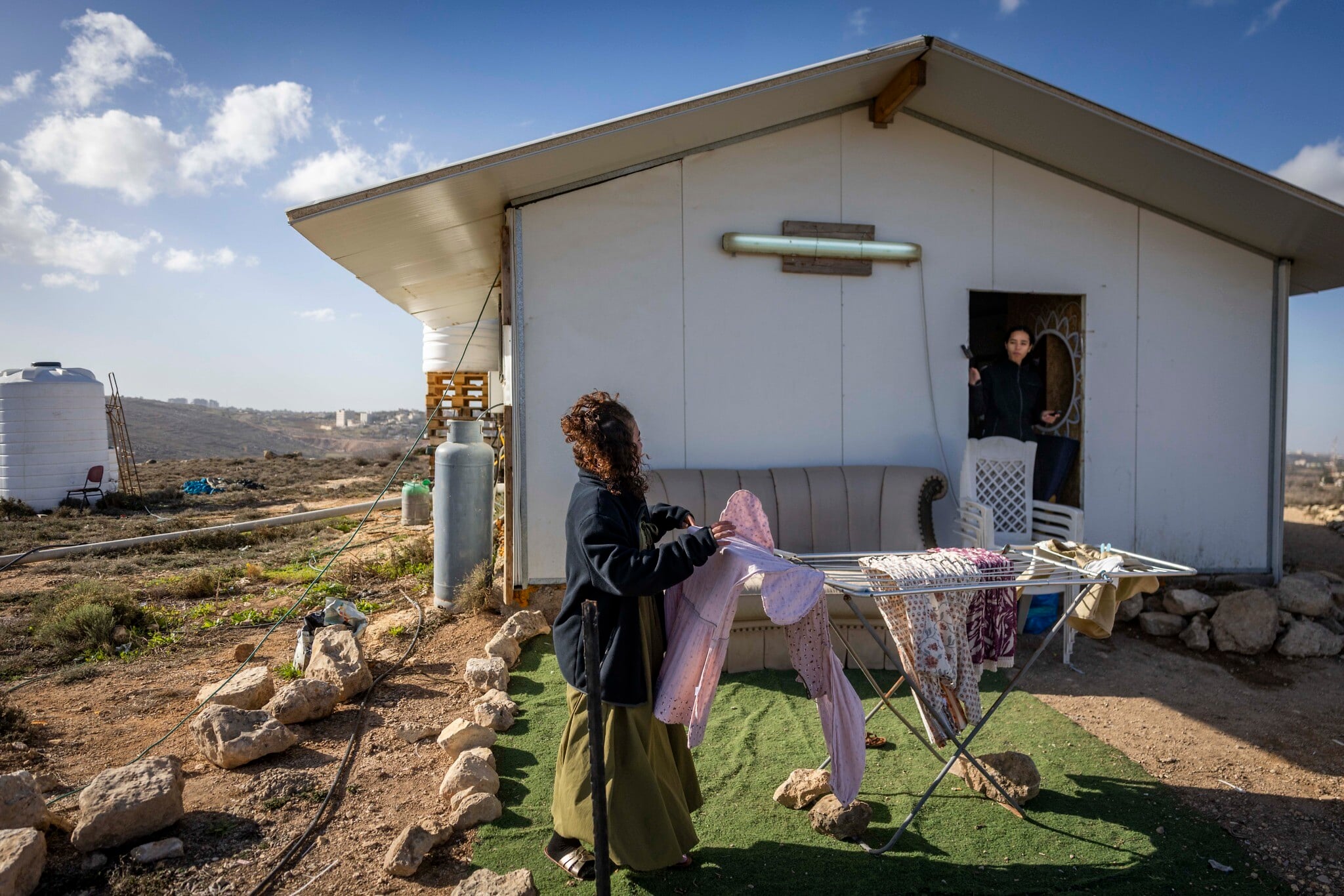
Of those, 120 are farming outposts, where the residents graze livestock over large tracts of West Bank land in order to push out Palestinian herding communities.
Illegal outpost are wildcat settlements established without government authorization, but the government often turns a blind eye to them and fails to enforce their evacuation and demolition.
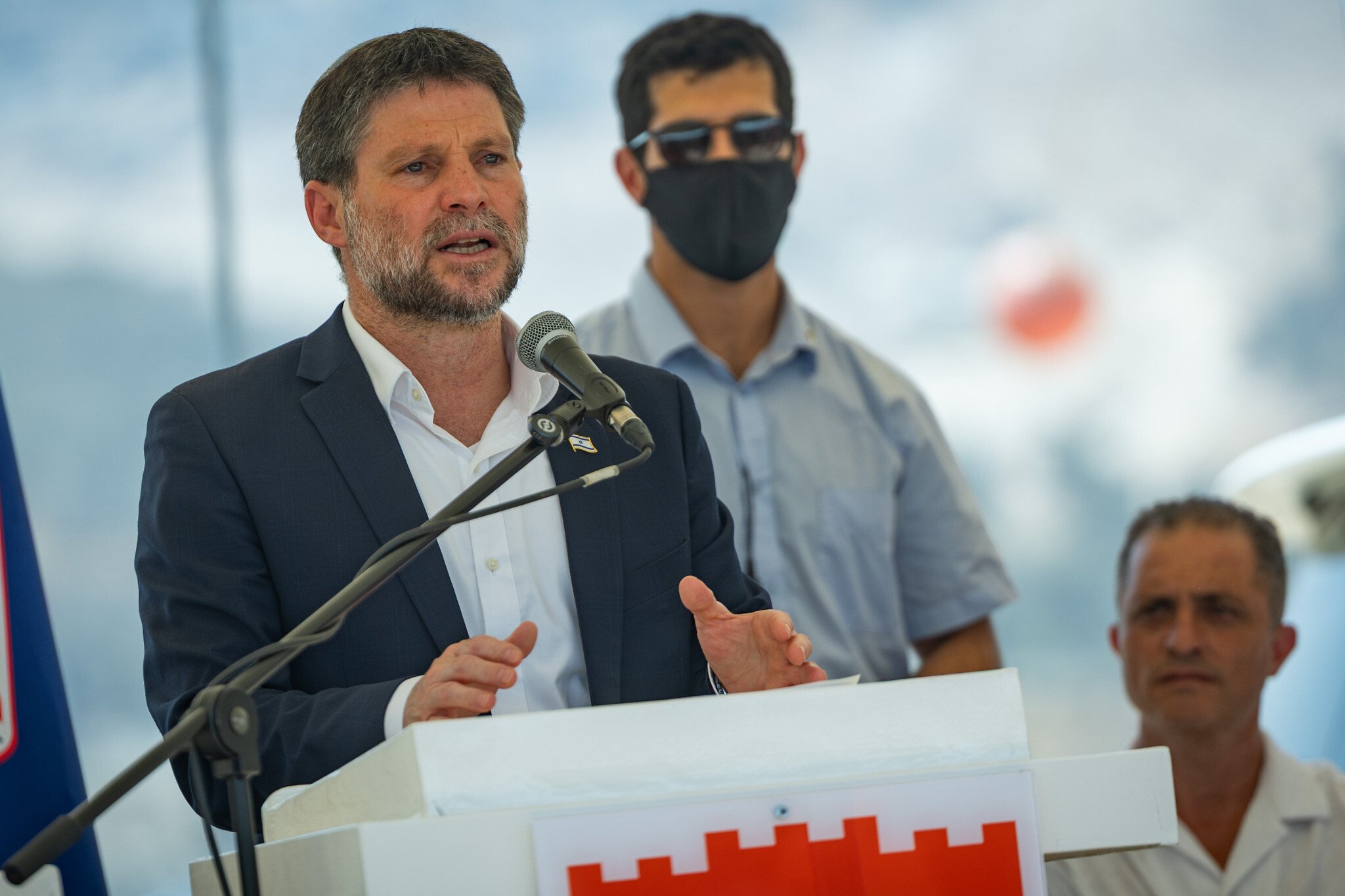
“We are advancing de facto sovereignty [of the West Bank] on the ground to prevent any possibility of establishing an Arab state in Judea and Samaria,” said Smotrich in announcing the new settlement emblems, and thanked the Interior Ministry, Bluth and others for pushing through the legalization process.









The Times of Israel Community.