

Former security adviser may sue state over leak saga
Uzi Arad accuses Netanyahu of silencing advisers who disagree on Iran
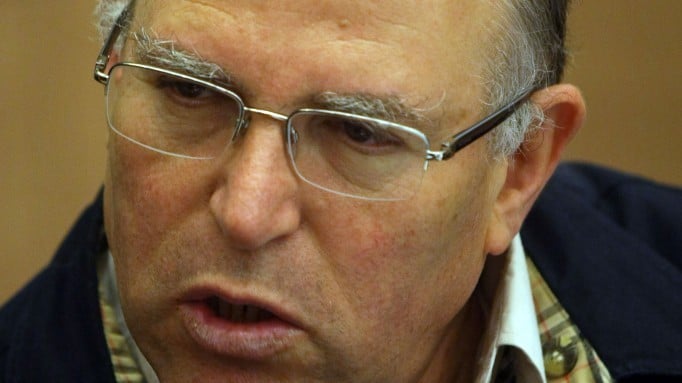
A former national security adviser is threatening to sue the state if he is not cleared of suspicions that he leaked two classified military documents in early 2011.
Former National Security Adviser Uzi Arad told Haaretz he also wanted an apology from his old boss, Prime Minister Benjamin Netanyahu.
Arad, who left his post of national security adviser under a cloud of suspicion over the alleged leaks, has launched a campaign to “clear his name,” Haaretz reported.
He has not been tried for the leaks, which were referred to in the Israeli media as inadvertent. Arad insists he did not hand over any classified information.
In an interview with Yedioth Ahronoth’s Nahum Barnea and Shimon Shiffer Friday, Arad, a former Mossad intelligence chief and longtime Netanyahu loyalist, said the prime minister had consistently failed to fulfill the letter of the Mallal Law, which grants widespread authority to the national security adviser position.
He further charged that as a result of intra-office politics he was fingered by Netanyahu’s military adviser, Maj. Gen. Yohanan Locker, as the source for the two sensitive security leaks from the Prime Minister’s Office. As a result the Shin Bet stripped him of his security clearance, effectively forcing him out of office.
Arad added that Netanyahu silences those around him who do not agree with his view of a military option against Iran.
A Yedioth Ahronoth article by Attila Somfalvi based on the interview noted that Arad is not the first security official to have a difference of opinion with Netanyahu over Iran. Somfalvi pointed out that former Mossad head Meir Dagan has made public his view that Israel should only attack Iran as a very last resort, and that former chief of General Staff Gabi Ashkenazi has kept his mouth shut so far — although he, too, is thought to disagree with the prime minister regarding Iran.
Arad’s comments come ahead of Netanyahu’s meeting with US President Barack Obama, which is widely anticipated as the critical point in which the two will discuss whether military tactics or economic sanctions against Iran’s illicit nuclear program would be most effective going forward.



The Times of Israel Community.