

Gaza bombing targets home of Shiite terror leader
No injuries in pre-dawn blast directed at Sheikh Hisham Salem, Iran-backed head of Strip’s tiny religious minority
 Add ToI as a Preferred Source on Google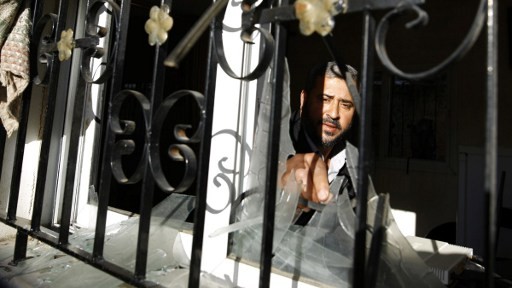
A bomb attack targeted the home of a leader of a Palestinian Shiite Muslim movement in the Gaza Strip early Friday, causing damage but no injuries, the group and security sources said.
The pre-dawn blast caused extensive damage at the home of Sheikh Hisham Salem, his Al-Sabireen group said in a statement.
Shiite Muslims are a tiny minority among Palestinians who are almost exclusively Sunni Muslims or Christians.
Al-Sabireen, which says it is supported by Iran, accused “the occupier (Israel) and its collaborators.”

The Israeli army declined to comment on the allegations.
Reliable information is difficult to ascertain in Gaza, which is run by Islamist group Hamas and blockaded by Israel and Egypt.
Hamas, a Sunni terror group, seems to want to avoid conflict with Al-Sabireen, although there is no significant Shiite community in Gaza.
Shortly after the explosion, Gazan security forces went to the scene and opened an investigation to find the perpetrators, security sources said.
“We went out and found an explosive device placed near the door of the house,” said a brother of the leader, Issam Salem, who was in the house at the time of the blast.
“The windows of the house and those of a bus were blown out,” he told AFP, adding that the explosion had sent children inside the home into a panic.
Al-Sabireen was formed in 2014 by Hisham Salem, a former member of the Islamic Jihad terror group, which also takes inspiration from the Shiite Iranian revolution but which is itself Sunni.








The Times of Israel Community.