

Graffiti spray-painted on 1,800-year-old synagogue on Galilee’s Mount Meron
For the second time in four years, the 3rd-century house of prayer is vandalized by religious extremists near the tomb of the Talmudic sage Rabbi Shimon bar Yochai
 Add ToI as a Preferred Source on Google
Deputy Editor Amanda Borschel-Dan is the host of The Times of Israel's Daily Briefing, What Matters Now and The Reel Schmooze podcasts, and heads up The Times of Israel's features.
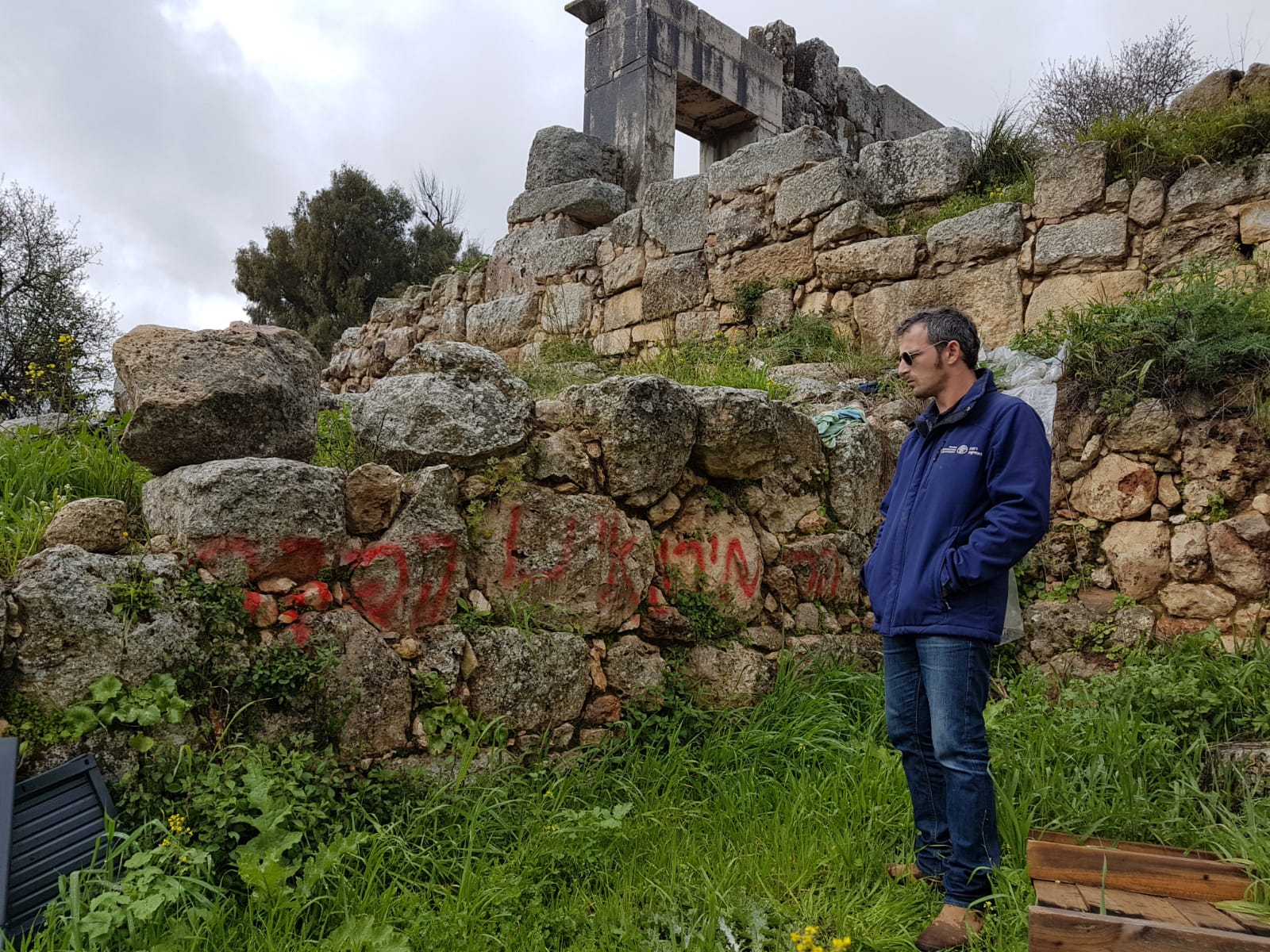
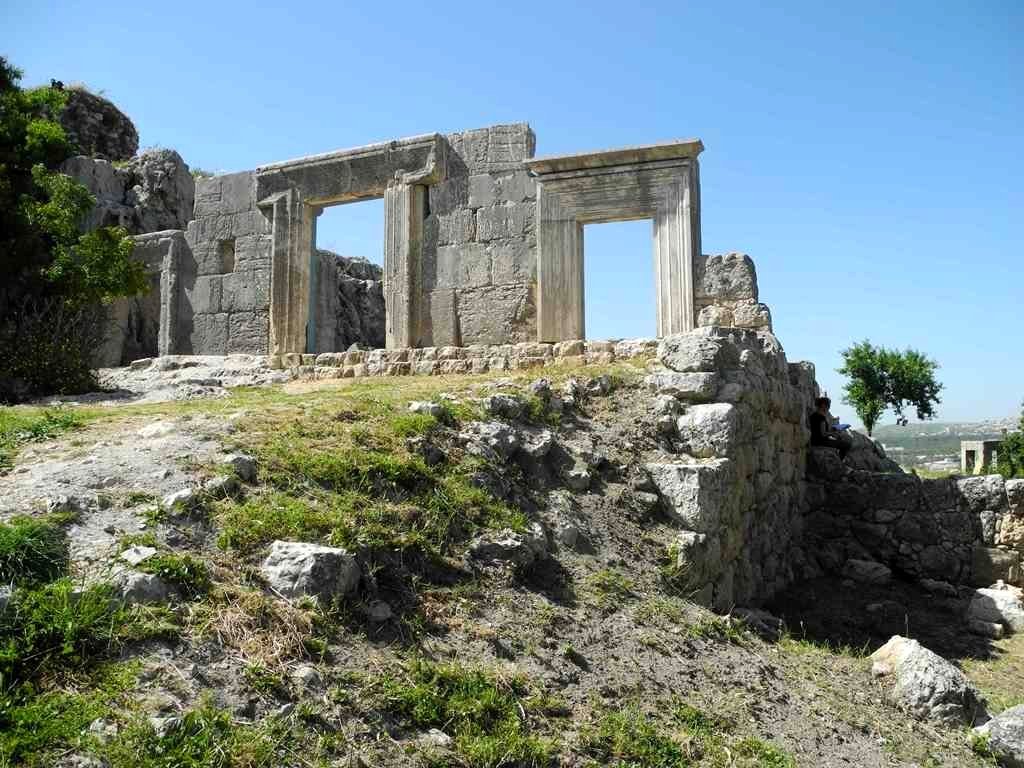
An Israel Antiquities Authority archaeologist discovered spray-painted graffiti on a 1,800-year-old synagogue located at the Mount Meron Nature Reserve in the Galilee on Monday.
The 3rd-century synagogue is located near the grave of Rabbi Shimon bar Yochai, also known as Rashbi, a 2nd-century tannaitic sage whose views appear throughout the Mishnah and Talmud.
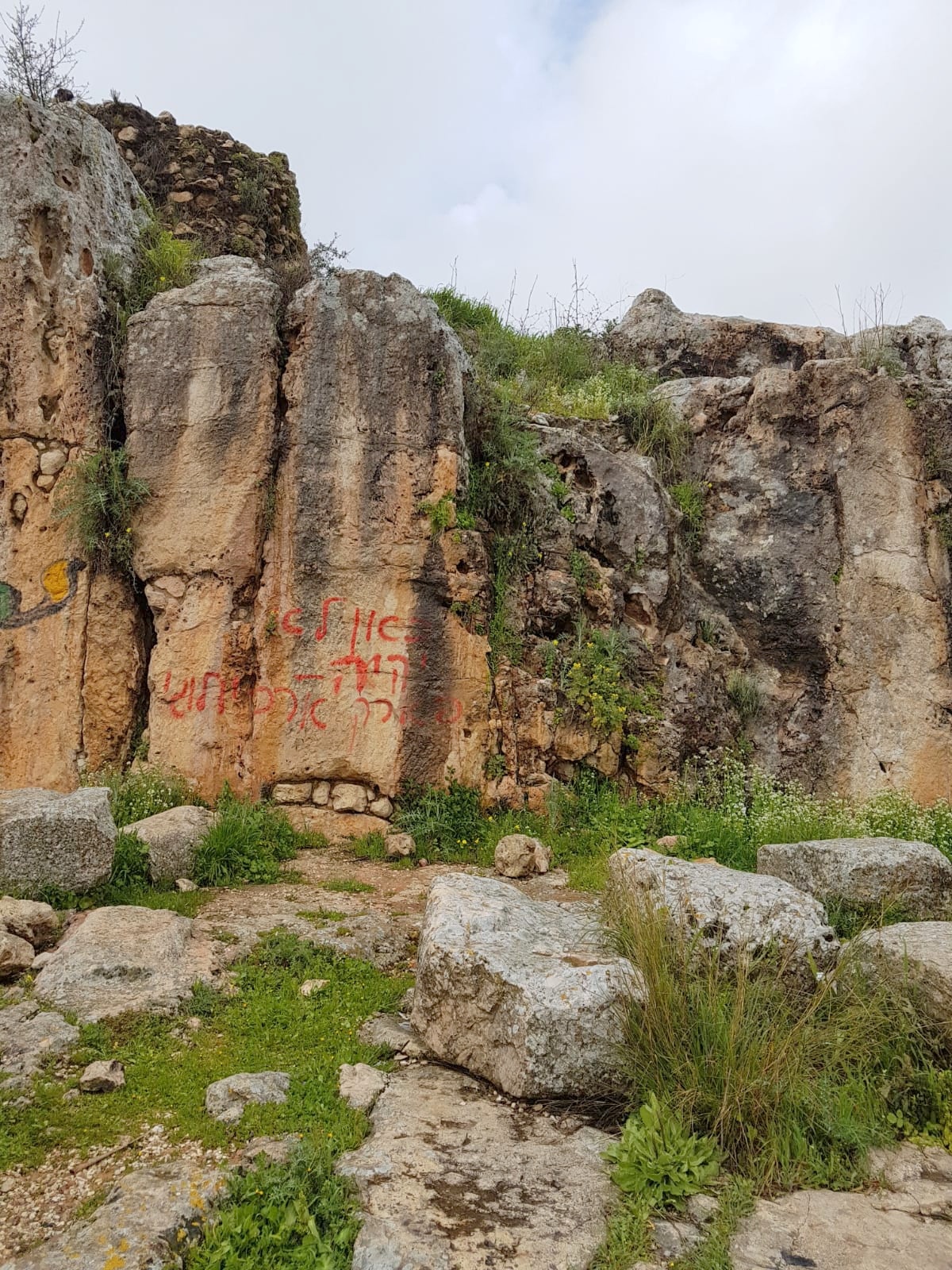
In bold red lettering, the vandals spray painted “warnings” in several areas at the ancient synagogue.
One of the walls was sprayed — apparently without irony — with “This holy place will not be desecrated. You have been warned.” Other graffiti specifically targeted the IAA, stating, “There will not be an archaeological park here,” and “Mount Meron is not abandoned.”
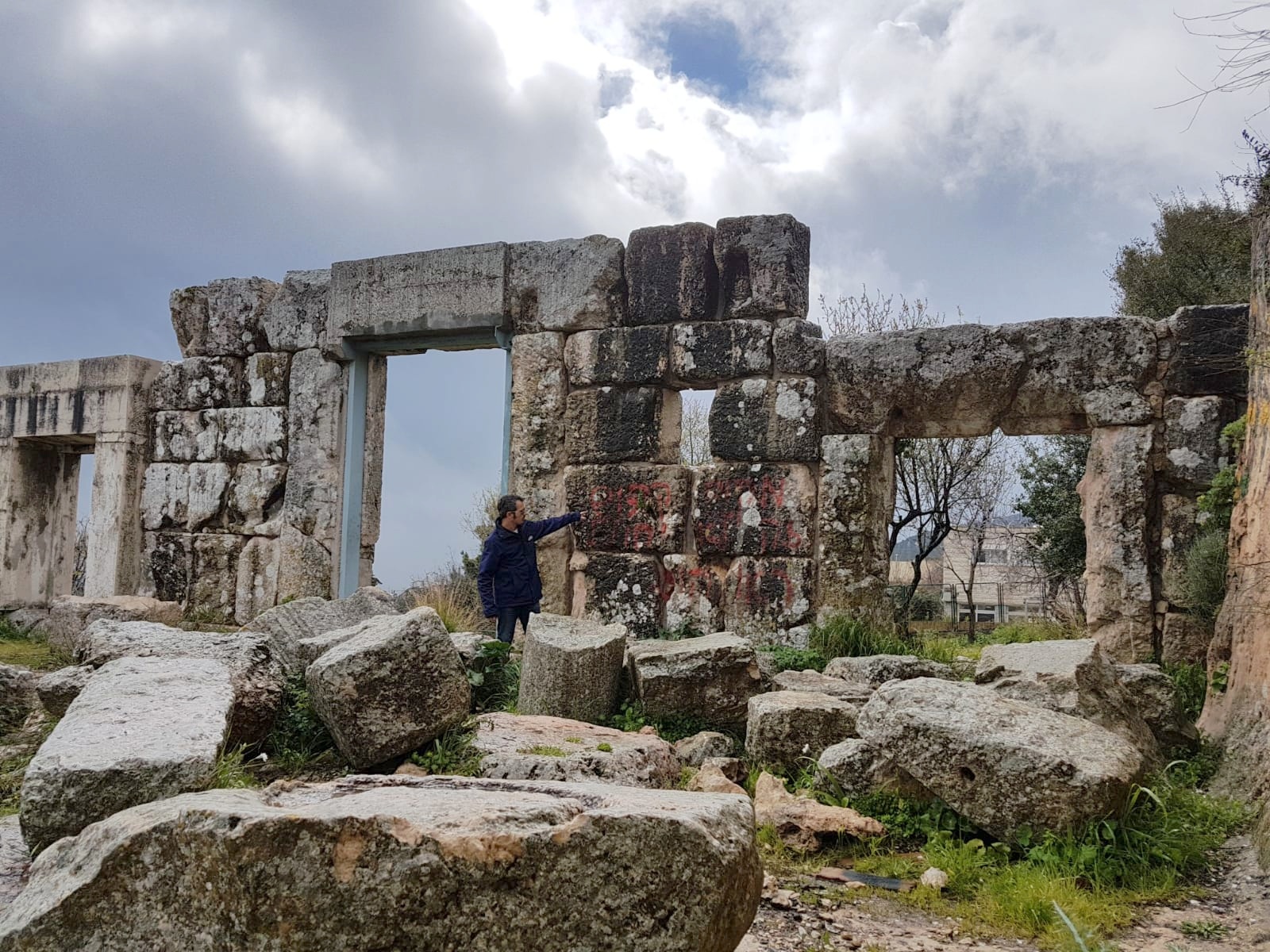
IAA archaeologist Uri Berger was onsite on Monday to identify the damage. Following his inspection, Berger filed a complaint with the police and an investigation was opened in the IAA’s anti-theft unit.
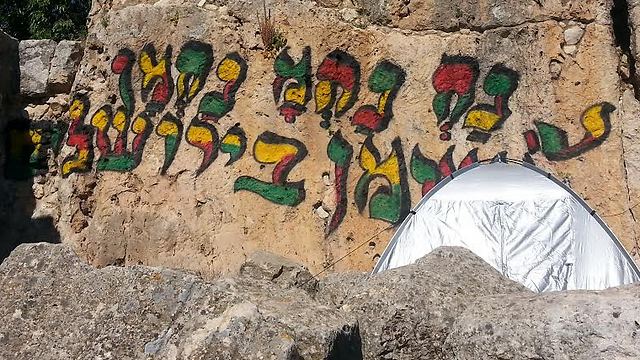
This is not the first time the site has been desecrated by vandals. In 2015, the recently renovated site was colorfully “adorned” by a rainbow depiction of a paraphrase of the popular saying from the Breslover Hasidic sect, “Na Nach Nachma Nachman MeYerushalayim.”
According to Berger, the senseless vandalism was perpetrated by a “handful of eccentrics who, ostensibly in the name of faith, harm national Jewish heritage [sites] that belong to us all.”
Comparing the Galilee synagogue’s destruction with a series of contemporary vandalism of Jewish sites abroad, Berger said, “A non-Jew’s desecration of a synagogue in the Diaspora is hurtful and causes anger, but when the deed is done by Jews, here in the Land of Israel, it is impossible to fathom.”
The synagogue site, where no active digs are planned, is conserved as part of a government project and is part of a nature reserve. No archaeological park is planned for the area.
The Mount Meron Nature Reserve sits on a large swath of unspoiled land earmarked for conservation under the British Mandate in 1942. For thousands of years, Meron has been associated with tombs of rabbinical sages, as well as Druze spiritual leaders. The grave of Rabbi Shimon bar Yochai is a pilgrimage site for tens of thousands on what is thought to be the anniversary of his death, Lag B’Omer, the 33rd day during the counting of the Omer following Passover.
Rashbi, who famously stood up to the Roman invaders, is known for his deep, insightful knowledge and far-reaching spiritual powers. The foundational text of Jewish mysticism, the Kabbalah, has been attributed to him — a fact most scholars disagree with.
In one famous Talmudic tale, found in Tractate Shabbat 33b, the rabbi and his son Elazar spent 12 years in a cave in hiding from the Romans who had condemned the pair to death for their statements against the empire. At the end of 12 years, in which the pair were sustained only by carob, the Prophet Elijah appears and gives the all clear for them to re-enter the world.
Upon seeing the lack of Torah learning and seriousness in the local farmers, the pair’s eyes lit up like lasers and everywhere they directed their eyes was razed to the ground.
One can only wonder what the pair would have done to the anonymous vandals who spray painted a synagogue in the name of religion.






The Times of Israel Community.