

Hagai Levi’s new series is modern take on Holocaust-era diarist
‘Etty,’ a contemporary retelling of the true story of Etty Hillesum, a Jewish woman from occupied Amsterdam, premiers at Venice Film Festival
 Add ToI as a Preferred Source on Google
Jessica Steinberg, The Times of Israel's culture and lifestyles editor, covers the Sabra scene from south to north and back to the center
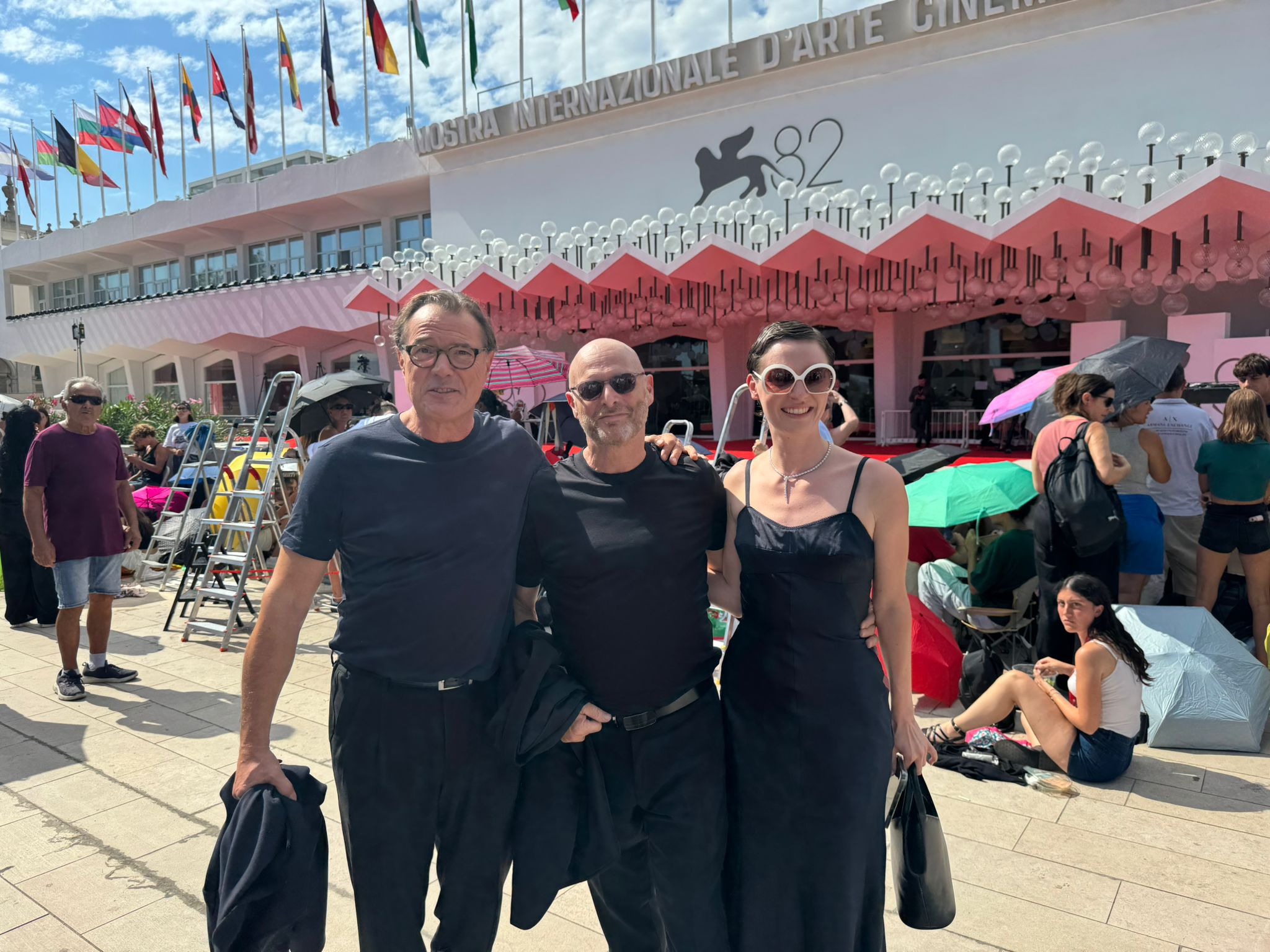
Award-winning screenwriter and director Hagai Levi premiered his new drama series “Etty” on Monday at the Venice Film Festival, with a screening of all six episodes.
“Etty” is a contemporary retelling of the true story of Etty Hillesum, a Jewish woman from occupied Amsterdam whose diary was published after her death.
The French, German and Dutch co-production from Golden Globe-winning Levi (“Scenes from a Marriage,” “In Treatment,” “The Affair”) takes viewers through Hillesum’s inner journey between 1941 and 1943.
Levi wrote in a statement that he came upon the diaries about 10 years ago, and they helped him find a different religiosity and perception of God after leaving his Orthodox Jewish faith some 20 years earlier.
Hillesum’s diary was written over 18 months in Nazi-occupied Amsterdam as she transformed from a neurotic, self-absorbed young woman into someone with a profound sense of autonomy, wrote Levi.
She bears some similarities to Anne Frank, the other, more famous Dutch Jew who kept a diary during the Nazi occupation of the Netherlands.
Anne Frank wrote her diary while in hiding, while Hillesum wrote both before and during her internment in the Westerbork transit camp and eventual transport to Auschwitz.
Hillesum’s spiritual journey was accelerated by the growing threat she faced as a Jew and was influenced by her lover and mentor, psychochirologist Julius Spier, who founded the Jungian form of hand-reading.
Julia Windischbauer stars as Etty and Sebastian Koch as therapist Julius Spier in the series.
Levi told Screendaily that the series aims for more universal lessons beyond the Holocaust.
He decided to set the drama in modern times, as Hillesum bears similarities to present-day life and problems, and she and the rest of the cast appear as modern, urban people living in the present, but under occupation.
In the Screendaily interview, Levi noted that Israel is full of internal hatred, particularly following the October 7 Hamas terrorist attack, and this series was his effort to find hope in a hopeless world.







The Times of Israel Community.